What just happened? Google has announced a global rollout of new developer policies that upend its 30% Play Store fee and change how third-party app stores and billing systems operate. While regulators and lawsuits set the stage, Google's latest move appears designed not just to meet legal obligations, but to reset its ecosystem for a post-mobile-monopoly era.
With these changes, Google is signaling that Android's future lies in greater openness – on its terms. Developers will soon see lower transaction fees, new options for distributing apps, and greater freedom in payment processing, particularly in the US, UK and Europe.
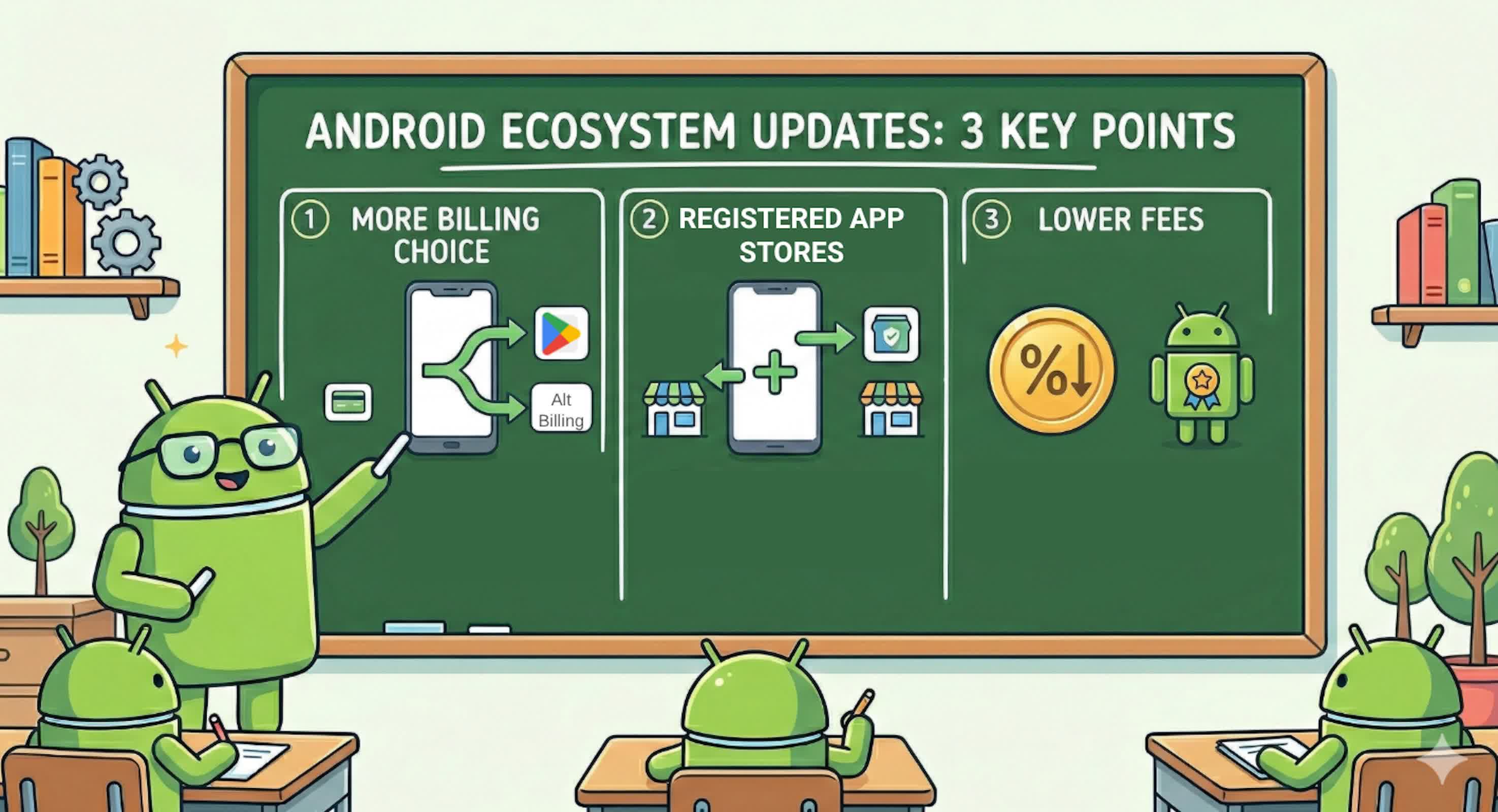
The biggest shift is to the fee system. Google is cutting its standard 30% take on Play Store purchases to 20% across most transactions. Developers participating in the new App Experience program – or those in the updated Google Play Games Level Up program for mobile games – may see that drop further, to 15% for new installs. Subscription fees will fall even lower, with Google retaining just 10%.
Those rates apply when developers use Google's billing system, but the new model also recognizes a shifting regulatory landscape. In the US, UK, and the European Economic Area, Google will now charge only a 5% service fee for developers using its billing tools while allowing "market-specific rates" elsewhere.
The new framework follows Google's 2025 settlement with Epic Games over antitrust claims. Rather than waiting for final court approval, Google is proactively implementing many of the promised reforms.
Under the new policy, developers can now integrate alternative billing systems alongside Google's or guide users to external payment portals – something Apple only reluctantly enabled after similar legal challenges.
Apple's version restricts developers to linking out of apps, but Google's approach suggests more freedom within the app experience itself. The change brings Android closer to a fully competitive payment landscape, though still within the guardrails Google designs.
Google is opening up Android all the way with robust support for competing stores, competing payments, and a better deal for all developers. So, we've settled all of our disputes worldwide. THANKS GOOGLE! https://t.co/Dq6eXNnZd0
– Tim Sweeney (@TimSweeneyEpic) March 4, 2026
The shift has already rippled through the developer ecosystem. Epic Games, whose feud with both Google and Apple defined the debate over app store monopolies, plans to relist Fortnite globally on Google Play following this announcement.
Google is also expanding Android's reach to third-party marketplaces through its new Registered App Stores program. The idea is to create an official path for external app stores to operate within Android's security and experience standards. To qualify, third-party stores must meet quality and safety benchmarks. Approved stores will gain access to a streamlined installation interface that simplifies downloads for users.
Participation remains optional – Android still allows sideloading without registration – but Google's framing of the program makes its preference clear. While users technically retain the freedom to install any app, upcoming changes to Android's sideloading process could make installing unverified apps more cumbersome. By encouraging developers to register, Google both legitimizes alternative stores and keeps control over the ecosystem's security perimeter.
Google isn't launching these policies all at once. The updated fee structure will roll out to the European Economic Area, the UK, and the US by June 30, extending to Australia by September 30 and to Korea and Japan by year's end. The full worldwide implementation is scheduled for September 2027.
Likewise, the new App Experience and Play Games Level Up programs will debut in the same initial regions this September before becoming globally available. The Registered App Stores initiative will go live in select regions later this year, launching alongside a "major Android release," according to Google, with a US debut expected after international testing.
Google's last notable fee reduction came in 2021, when it lowered fees to 15% on developers' first $1 million in annual revenue and on subscriptions. This time, though, the company faces both legal and competitive catalysts. Epic's antitrust case intensified scrutiny of how Apple and Google manage their mobile ecosystems, while parallel antitrust suits and digital markets regulations in Europe continue to push for transparency and interoperability.
At the same time, Google's relationship with Epic appears to have evolved from courtroom battle to limited collaboration. Earlier this year, the two companies established an $800 million partnership involving joint product development and Google's use of Epic's technology. Whether that alliance influenced the current rollout is unclear, but the company's willingness to make sweeping changes underscores its long-term ambition: to retain developer trust without surrendering platform control.
The results could redefine Android's competitive position. Lower fees and new billing flexibility will appeal to developers frustrated by years of rigidity, but Google's layered approach – combining openness with new certification barriers – shows that control, not chaos, remains the guiding principle.