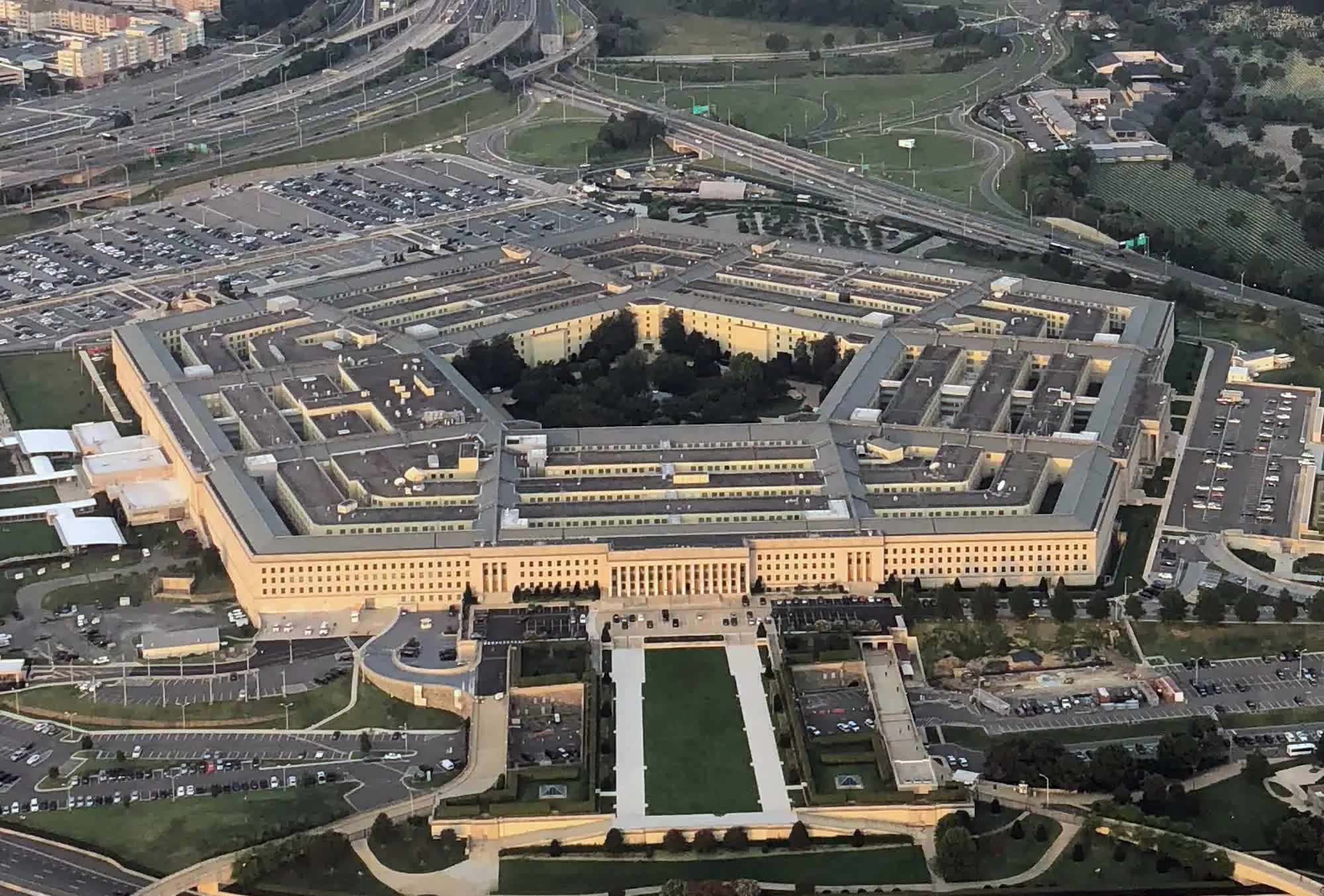
A hot potato: Anthropic's battle with the American government has taken a new turn. The US has now officially designed the AI company as a supply chain risk. In response, Anthropic has promised to sue the Pentagon over the decision.
The clash centers on two red lines Anthropic refused to drop during negotiations with the Department of Defense: using Claude for mass domestic surveillance of Americans and for fully autonomous weapons. Anthropic says those carveouts are narrow, reasonable, and have not affected any government mission to date. The Pentagon disagreed.
A senior Pentagon official said the supply chain risk designation was "effective immediately."
In a statement published after Defense Secretary Pete Hegseth said he was directing the department to apply the designation, Anthropic called the move legally unsound, and said it would set a dangerous precedent for any US company negotiating with the government. The firm added that it would fight any such designation in court rather than cave on the two restrictions.
"Well, I fired Anthropic. Anthropic is in trouble because I fired [them] like dogs, because they shouldn't have done that," President Trump said in a new interview with Politico.
Anthropic doesn't have a history of being anti-defense. The company says it has supported US government work on classified networks since June 2024 and remains committed to national security projects. But it seems there are limits it won't cross.
Anthropic CEO Dario Amodei wrote that the practical impact of the designation is narrower than officials have implied. He said the relevant law would only allow the restriction to apply to Claude's use in Defense Department contract work, not to every commercial relationship involving contractors that also happen to do business with the military. Essentially, Anthropic believes the Pentagon is trying to stretch the law well beyond its intended scope.
The Information Technology Industry Council, whose members include several of the biggest names in US tech, warned that using emergency supply-chain powers in a procurement dispute could inject uncertainty into the market and make it harder for the government to access best-in-class tools and services.
This week, Anthropic delivered a master class in arrogance and betrayal as well as a textbook case of how not to do business with the United States Government or the Pentagon.
– Secretary of War Pete Hegseth (@SecWar) February 27, 2026
Our position has never wavered and will never waver: the Department of War must have full, unrestricted…
Anthropic says this is the first time such a measure has been publicly aimed at an American company rather than a foreign adversary or similarly high-risk entity.
"From the very beginning, this has been about one fundamental principle: the military being able to use technology for all lawful purposes," a Pentagon official said.
"The military will not allow a vendor to insert itself into the chain of command by restricting the lawful use of a critical capability and put our warfighters at risk."
Also read: AI-driven warfare is here, and the Iran strikes show how fast it's advancing
Anthropic had been in talks with the DoD recently, but the conversations came to nothing. According to a person familiar with the matter, the failure was partly due to how President Donald Trump and other members of his administration publicly berated the company.
Amodei is one of the few big tech names not to have made large donations to Trump or publicly praise him, which some believe has contributed to the current situation.
Microsoft has confirmed that it will continue working with Anthropic on non-defense-related projects. The Redmond giant will continue to embed Anthropic tech in products for clients – except for the DoD, of course.