
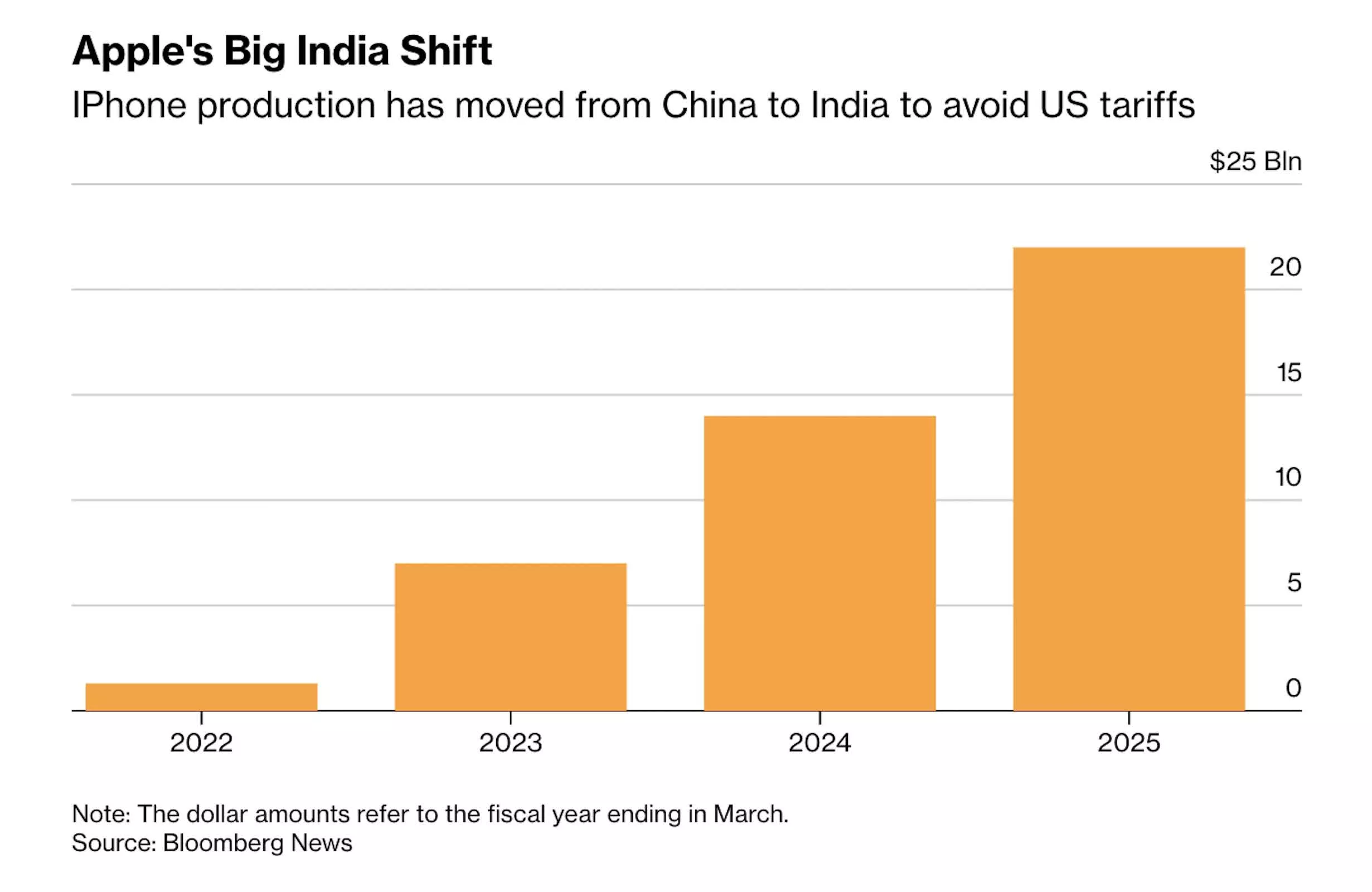
In context: Apple's shift to India is no longer an experiment in supply-chain diversification – it has become a fundamental part of how the company builds iPhones. In 2025, Apple assembled roughly 55 million iPhones in India, accounting for about a quarter of its global output, according to people familiar with the data. The production surge marks a 53% increase from the prior year and underscores Apple's effort to rebalance one of the tech industry's most sophisticated electronics manufacturing systems.
Much of this expansion is driven by necessity. US tariffs on Chinese electronics, reinstated amid ongoing trade frictions, have pushed Apple and its suppliers to re-engineer production strategies. India, with its large labor pool and government-backed industrial incentives, has emerged as the most viable alternative.
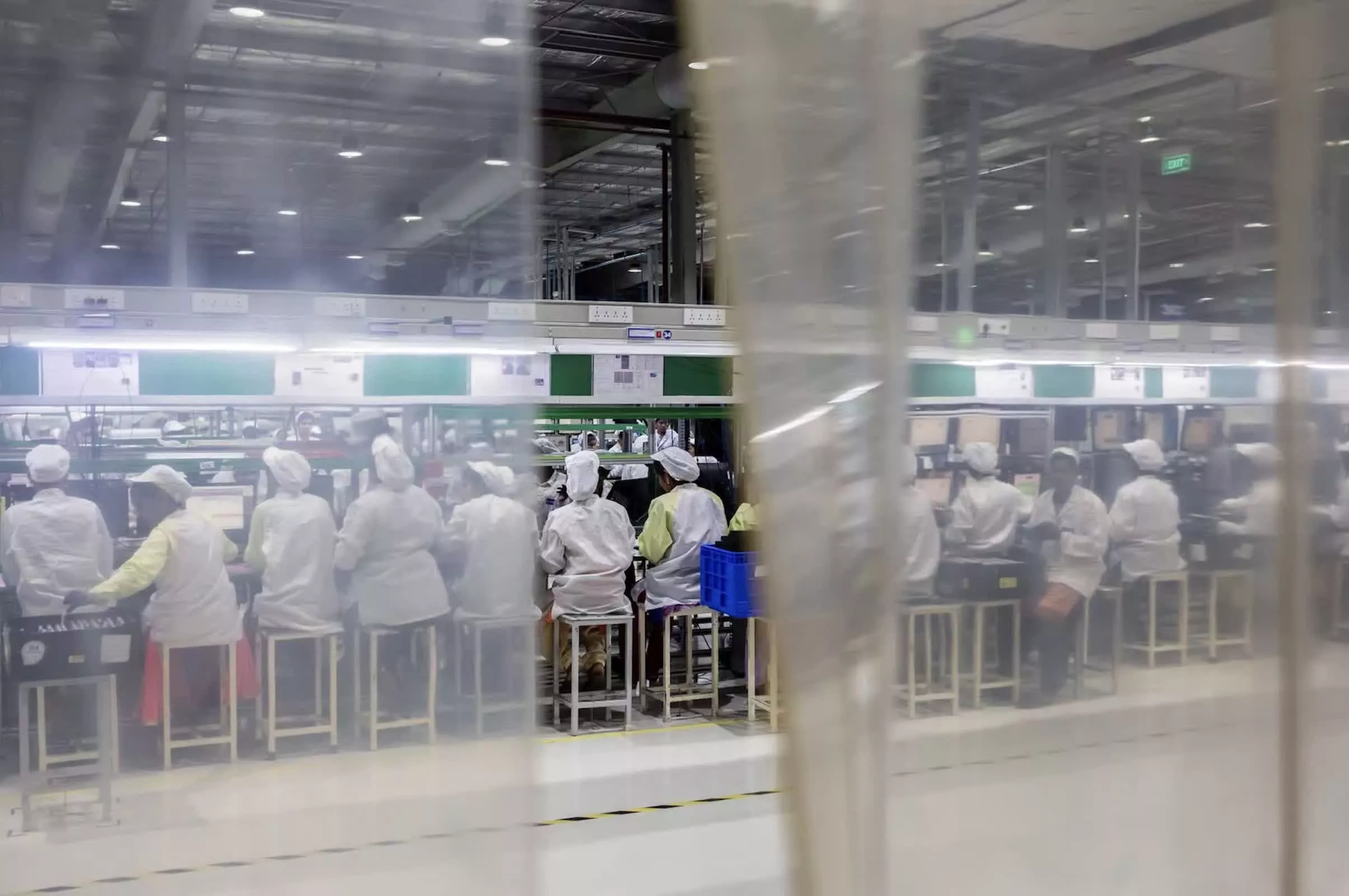
Apple's global production footprint, traditionally centered on China's massive and highly integrated supply chain, is becoming increasingly distributed. India's contribution – once marginal – has grown rapidly through facilities operated by Foxconn Technology Group, Tata Electronics, and Pegatron Corp. All now assemble Apple's latest iPhone 17 models, including the high-end Pro and Pro Max devices, while also building earlier versions for both domestic sales and export.
The scale-up has not been without friction. Indian manufacturing still faces structural challenges: weaker logistics infrastructure, higher component costs, and a less mature supplier ecosystem compared with China's deeply entrenched networks.
Meanwhile, India continues to rely on imports for many high-value components, limiting the share of the supply chain based in the country. Even so, the rise in onshore assembly represents a technical milestone for a country once peripheral to advanced electronics production.
Prime Minister Narendra Modi's production-linked incentive program has been central to this shift. The program rewards manufacturers for expanding local output and export volumes, helping offset India's cost disadvantages. The subsidies, however, are scheduled to expire on March 31, and companies such as Apple and Samsung have begun discussions with New Delhi on an updated framework to sustain growth momentum.
The timing has become critical. The US Supreme Court recently struck down some tariff provisions targeting Chinese imports, potentially easing cost pressures on China-based production. Unless India maintains a competitive incentive structure, it risks losing some of the gains that initially attracted global smartphone makers.
Behind Apple's latest assembly numbers lies a deeper technological integration effort. The company has begun building domestic partnerships for components ranging from lithium-ion battery cells to metal enclosures used in iPhones and Apple Watches. Suppliers are also preparing to scale up production of AirPods and related accessories.
The rising output in India reflects Apple's long-term strategy to build a second major iPhone manufacturing base alongside China, according to people familiar with the company's plans.
At the same time, Apple is steadily turning India into a key consumer market. The company's annual sales in the country surpassed $9 billion last year, following a retail expansion that now includes six flagship stores. Apple is also preparing to introduce Apple Pay later this year.
The twin goals – supply chain security and market expansion – underscore how India has evolved from a geopolitical hedge into a strategic cornerstone of Apple's operations. While challenges remain, the trajectory suggests that Apple's next major wave of manufacturing efficiency and consumer engagement could emerge not from Shenzhen, but from Chennai.