
In brief: Nexperia's Chinese subsidiary has started manufacturing its own chips, signaling a decisive break from its Dutch parent as a months-long corporate and geopolitical standoff continues to ripple through global supply chains. Earlier this week, Nexperia China announced that it has begun small-batch production of several categories of semiconductors using 12-inch silicon wafers, a manufacturing capability that the Dutch operation has not yet brought online in Europe.
The chips include bipolar discrete devices, Schottky rectifiers, and electrostatic discharge protection components – relatively simple but essential parts in vehicle electronics and consumer devices.
The development follows a split that began in October 2025, when the Dutch government intervened to prevent Nexperia from moving production capacity to China. That action stalled wafer shipments from Europe and effectively cut the company in two. Nexperia's European headquarters has so far declined to comment on the subsidiary's announcement.
Before the rupture, the arrangement was clear: wafer fabrication took place in Europe, while assembly and packaging occurred in China. But once European regulators imposed restrictions, Nexperia China began operating independently under local control. The European parent, citing payment disputes, froze deliveries of critical wafer supplies.
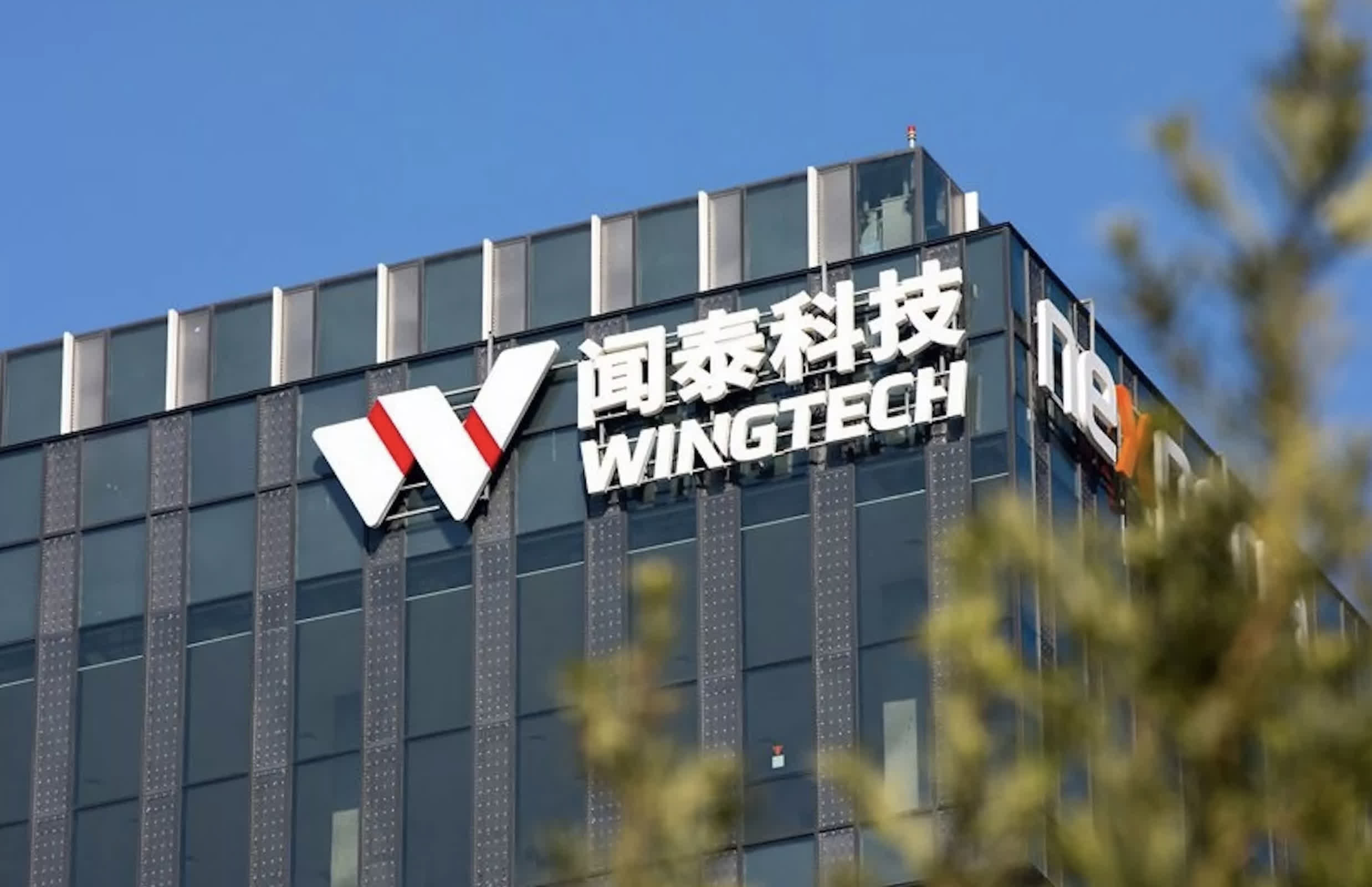
What remains unclear is the source of the new 12-inch wafers now supplying Nexperia China's lines. Wingtech founder Zhang Xuezheng also controls Shanghai Dingtai Jiangxin Technology Co., better known as WingSkySemi – a 12-inch fab that worked with Nexperia prior to the conflict. Neither company has confirmed whether WingSkySemi remains involved.
The ability to process 12-inch wafers represents a major step up in production potential. Compared with older 8-inch lines, the larger substrates enable higher throughput and lower cost per chip, even for mature-node components. For China's semiconductor sector, which has faced export controls and foreign supply restrictions, these developments are part of a strategy of building domestic capacity wherever possible.
Although the chips being produced are basic by design, they fill vital needs across power management and automotive electronics – two sectors where shortages have repeatedly disrupted global manufacturing since the pandemic. With Nexperia China now emphasizing independent chip production, it remains to be seen whether automakers will feel any relief. Meanwhile, the Dutch headquarters continues to navigate regulatory scrutiny and internal disputes.