What just happened? Apple's latest budget-friendly MacBook Neo has already found its first major hardware mod – and it didn't come from Cupertino. A Chinese technician known as DirectorFeng has successfully upgraded the laptop's soldered 256GB storage to a full terabyte, turning what Apple sells as a sealed, low-cost device into something significantly more capable.
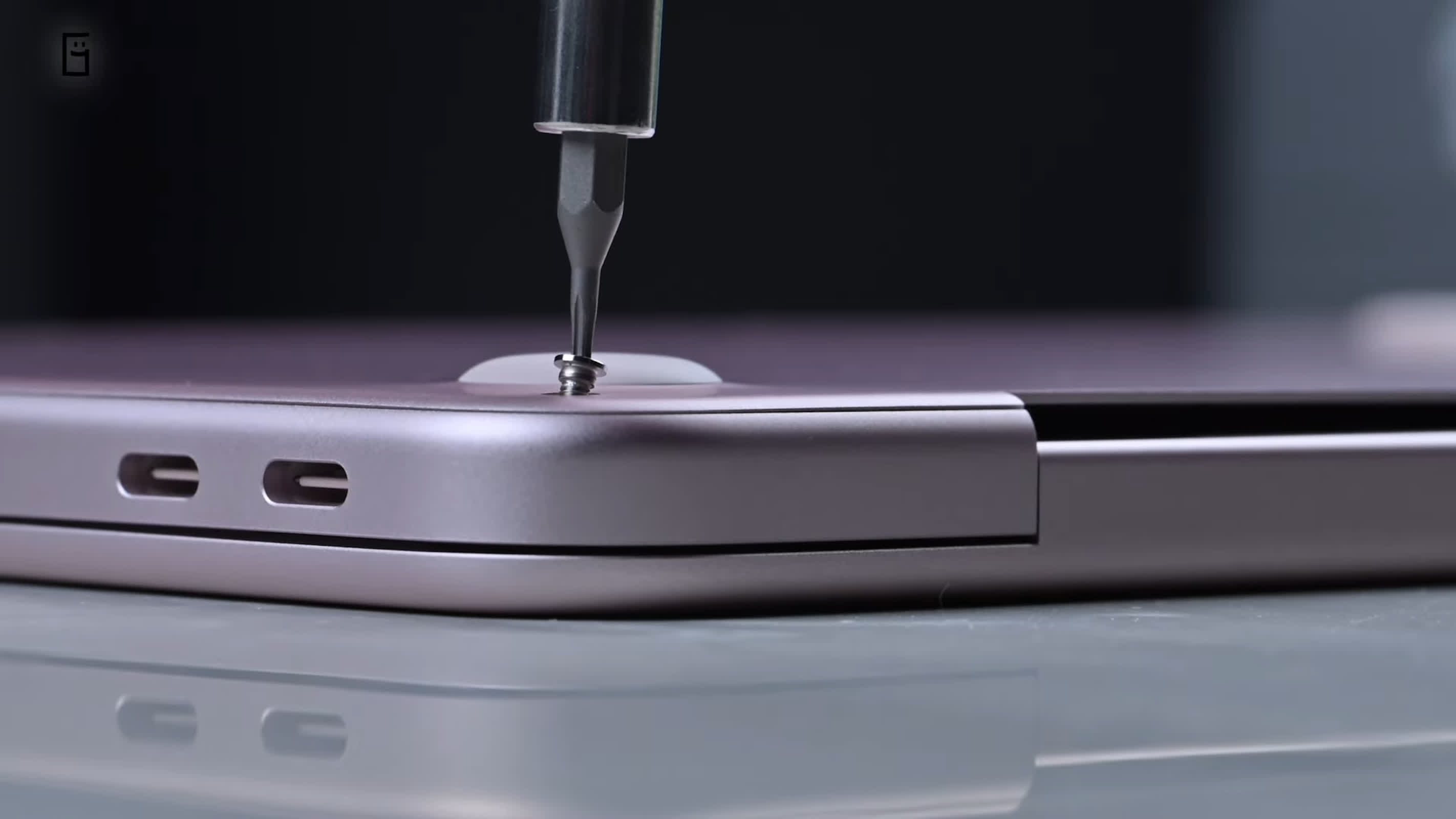
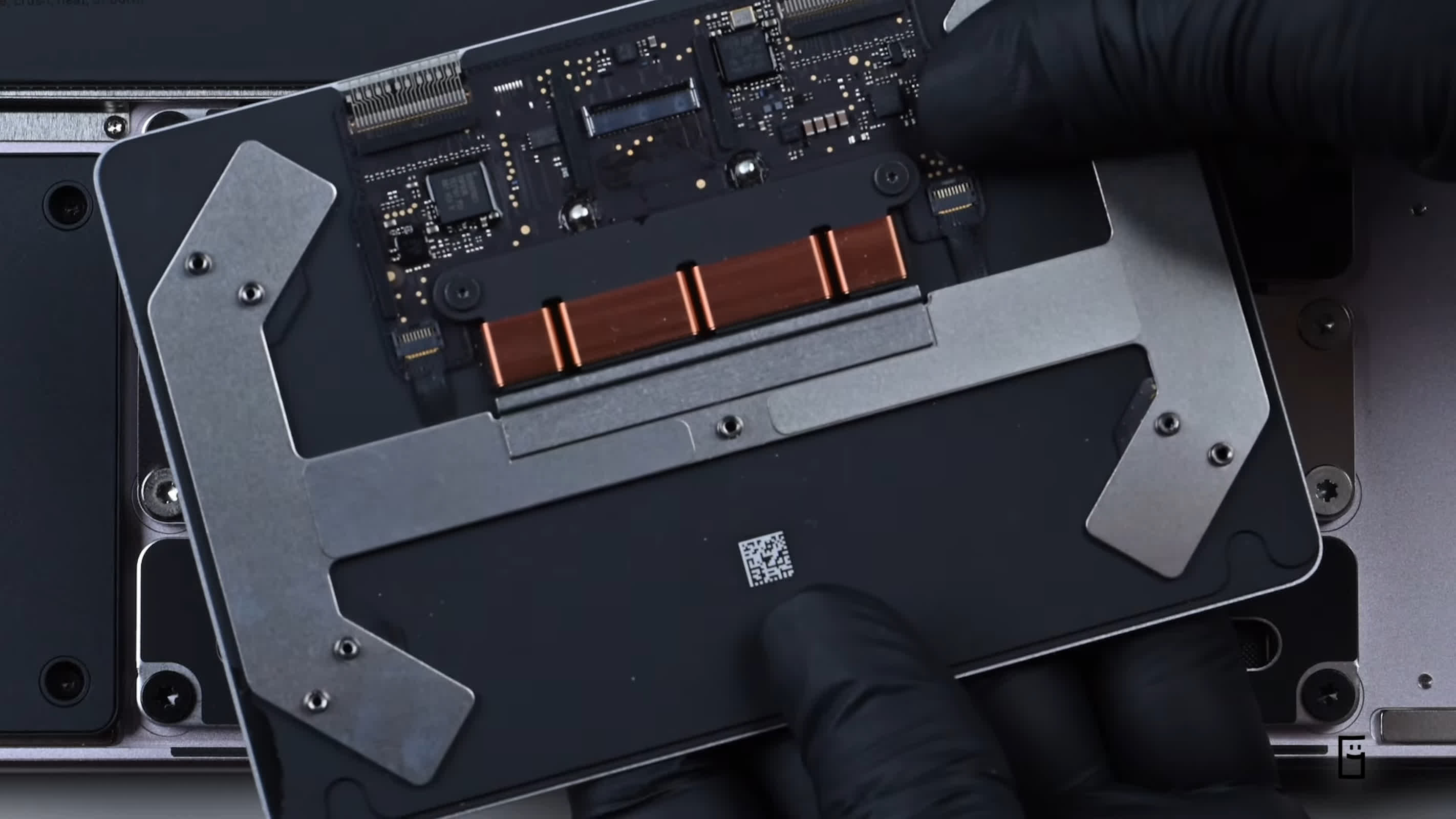
The project, documented in a detailed teardown video, walks through each stage of the hardware surgery. What begins as a straightforward disassembly quickly becomes a display of precision engineering rarely seen outside of Apple's manufacturing lines.
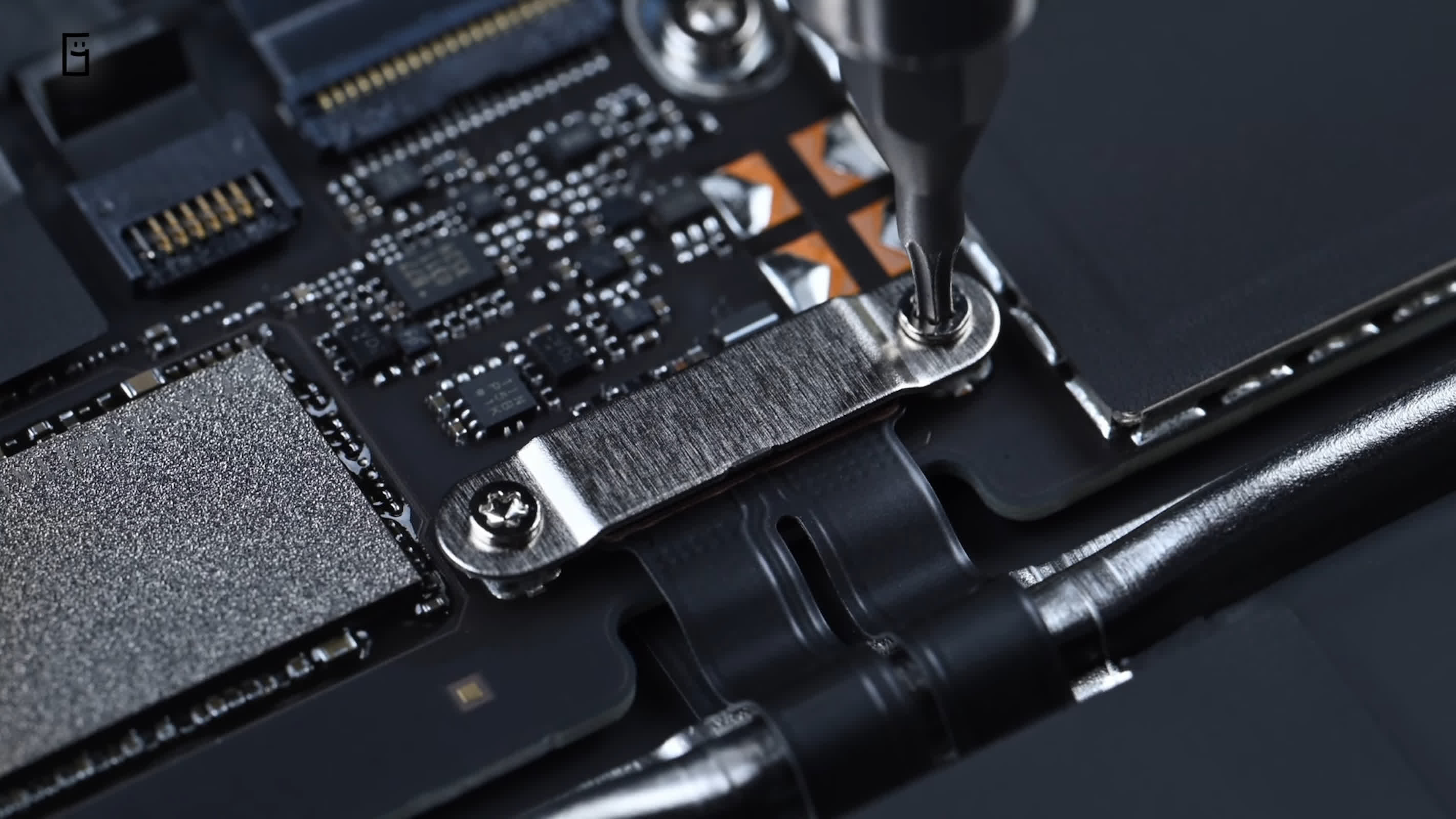
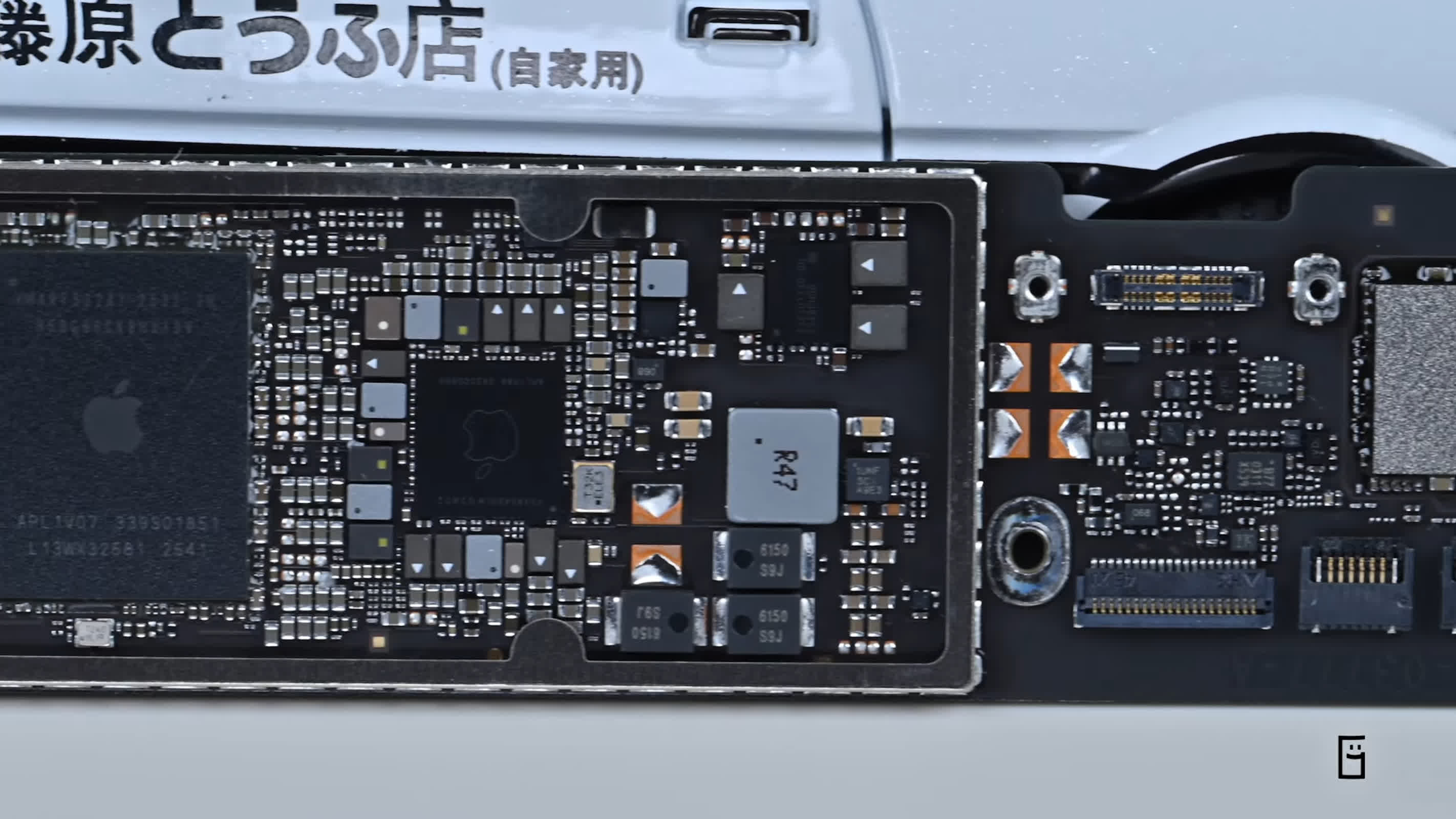
Once opened, the Neo's internal layout reveals a tightly packed logic board built around Apple's A18 Pro chip. DirectorFeng removes the protective metal backing and shielding tape, carefully cataloging the tiny connectors embedded throughout the board. With the SSD integrated directly into the silicon – not on a removable drive – the only way to expand storage is to replace the NAND chip itself.
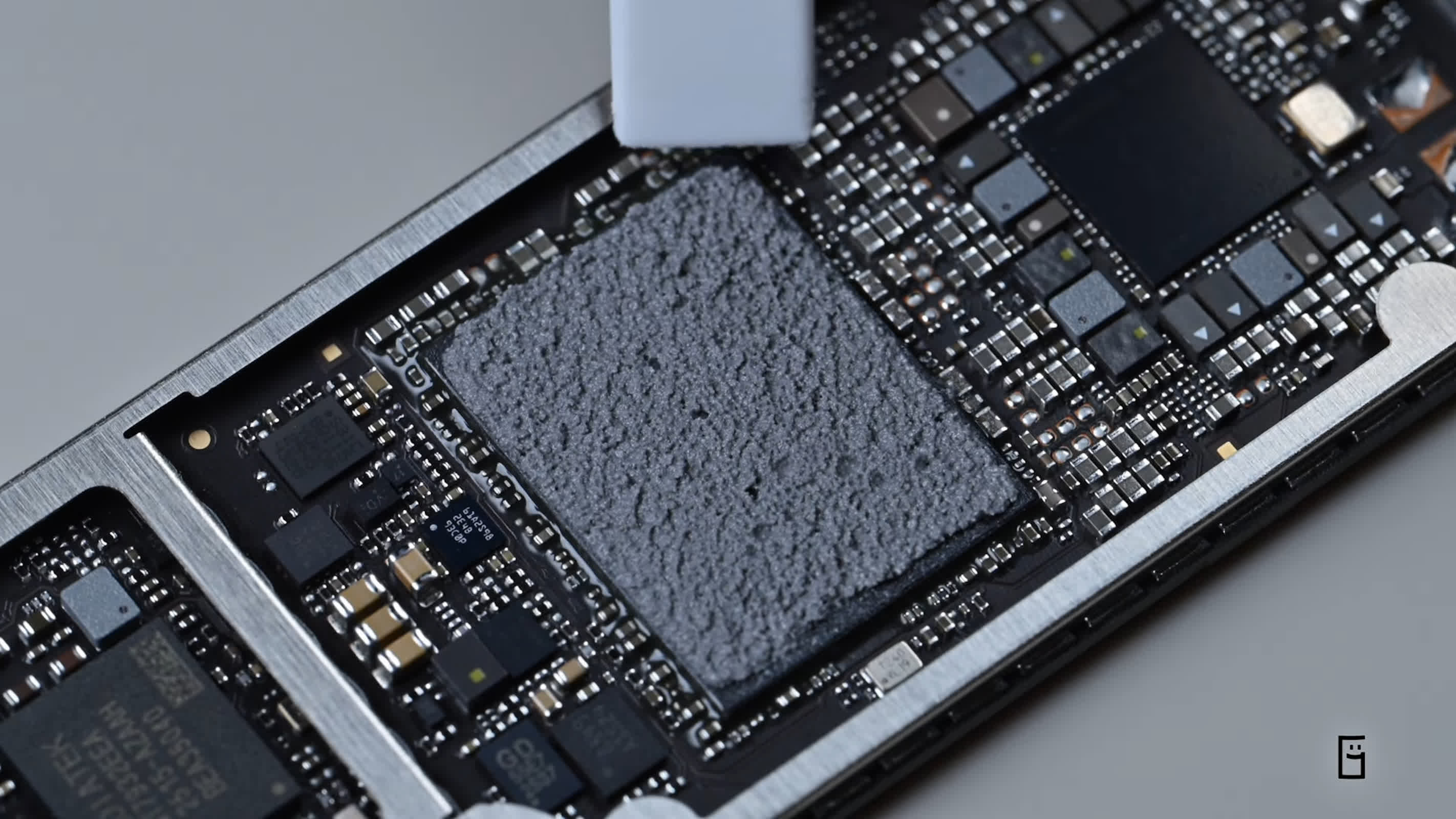
Using professional-grade tools, he applies heat to the storage module to loosen the BGA adhesive that binds it to the board. Once the adhesive softens, the original 256GB chip is lifted free, leaving a delicate array of solder pads behind. A small amount of flux is brushed onto the surface to prepare it for the new component, and a 1TB NAND chip is then positioned in place. A slow reheat melts the solder, securing the new chip and restoring the board's electrical connections.
For this kind of Apple hardware mod, the physical replacement is only half the task. The MacBook Neo must be reflashed to recognize the new hardware configuration. DirectorFeng connects the laptop to a second Mac via a USB cable to reinstall macOS, a process that verifies whether the system firmware can read the new SSD. The test completes without error – macOS boots, identifies the new storage correctly, and reports a total capacity of 994.61GB.
Before final reassembly, DirectorFeng adds a bonding layer of BGA glue to reinforce the chip, then bakes the logic board inside a reflow oven. The controlled heat cures the adhesive around the new package.
Once the components are reinstated, screws replaced, and the chassis closed, the Neo starts up to reveal not only expanded capacity but also slightly improved transfer speeds: around 1,600 MB/s, compared to 1,500 MB/s on the stock configuration.
While the modification sets a technical milestone – believed to be the first MacBook Neo running on a 1TB SSD – it also highlights the trade-offs of working around Apple's locked-down design philosophy. The 256GB base model sells for roughly $599, and the labor and parts involved in this mod could easily negate that affordability. The work requires tools and experience far beyond what most users possess, as well as acceptance of the risks inherent in replacing factory-soldered chips.