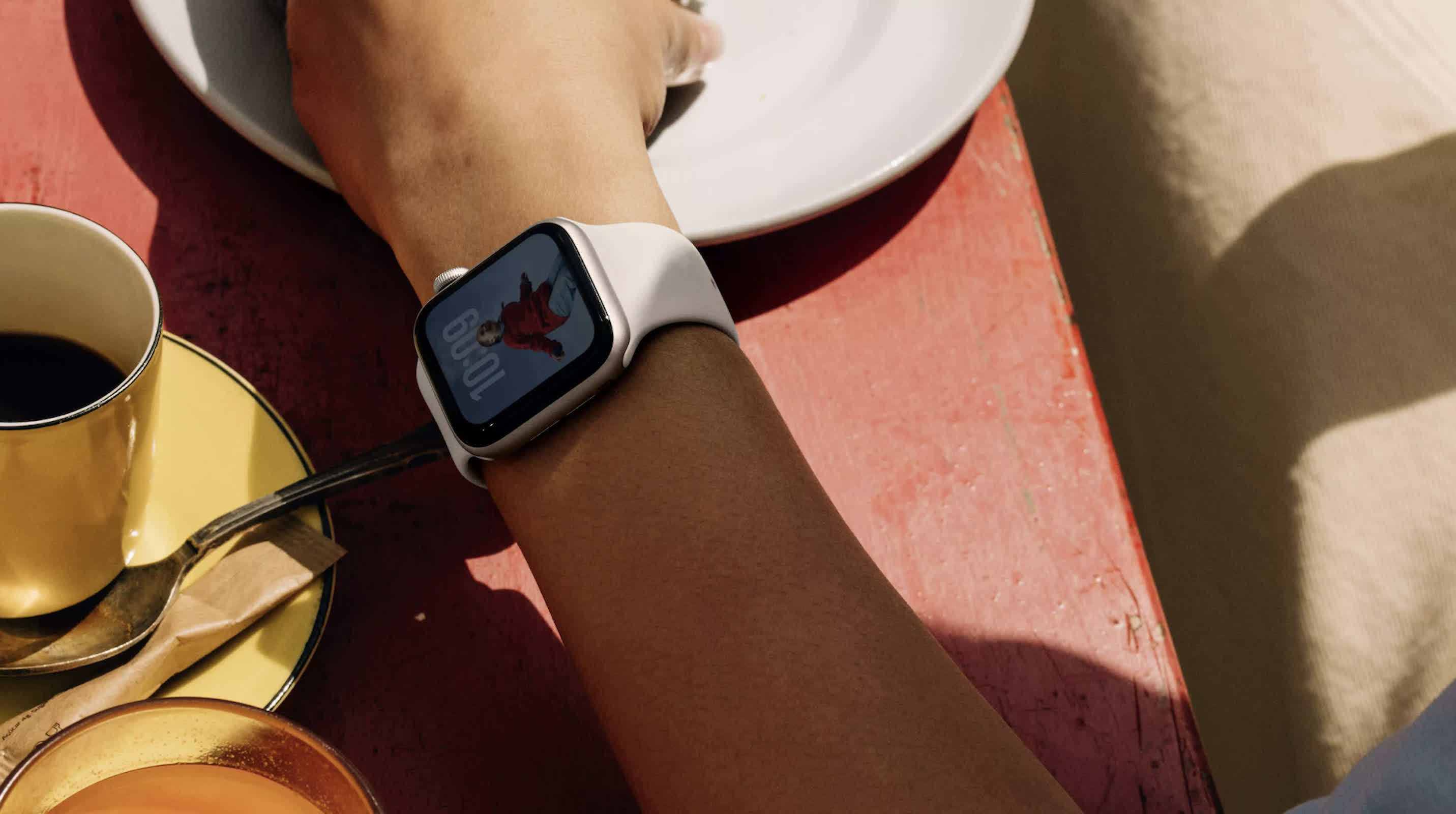
What just happened? Apple's latest Apple Watch redesign has cleared a key hurdle at a US trade agency, easing one immediate threat to its wearable roadmap while leaving a broader, high-stakes patent dispute with Masimo unresolved. A judge at the US International Trade Commission issued a preliminary finding that Apple's current smartwatches do not infringe Masimo's patents on blood-oxygen monitoring, rejecting the medical-device company's attempt to revive an import ban on the devices.
The decision, made public on Thursday, concludes that Apple's latest implementation of pulse-oximetry functionality falls outside the scope of Masimo's asserted rights. The full ITC commission will now review the judge's ruling and decide whether to adopt it – a step that will determine whether the redesigned watches remain protected from trade sanctions in the US.
The preliminary ruling is the latest development in a dispute that has already forced Apple to re-architect one of the Apple Watch's core health features. In 2023, the ITC found that earlier Apple Watch models infringed Masimo's patents and ordered a limited exclusion that blocked imports of the Apple Watch Series 9 and Ultra 2 in the US market.
Apple responded by removing the blood-oxygen functionality from affected models to comply with the ban, later restoring an updated version of the feature after securing approval from US Customs and Border Protection.
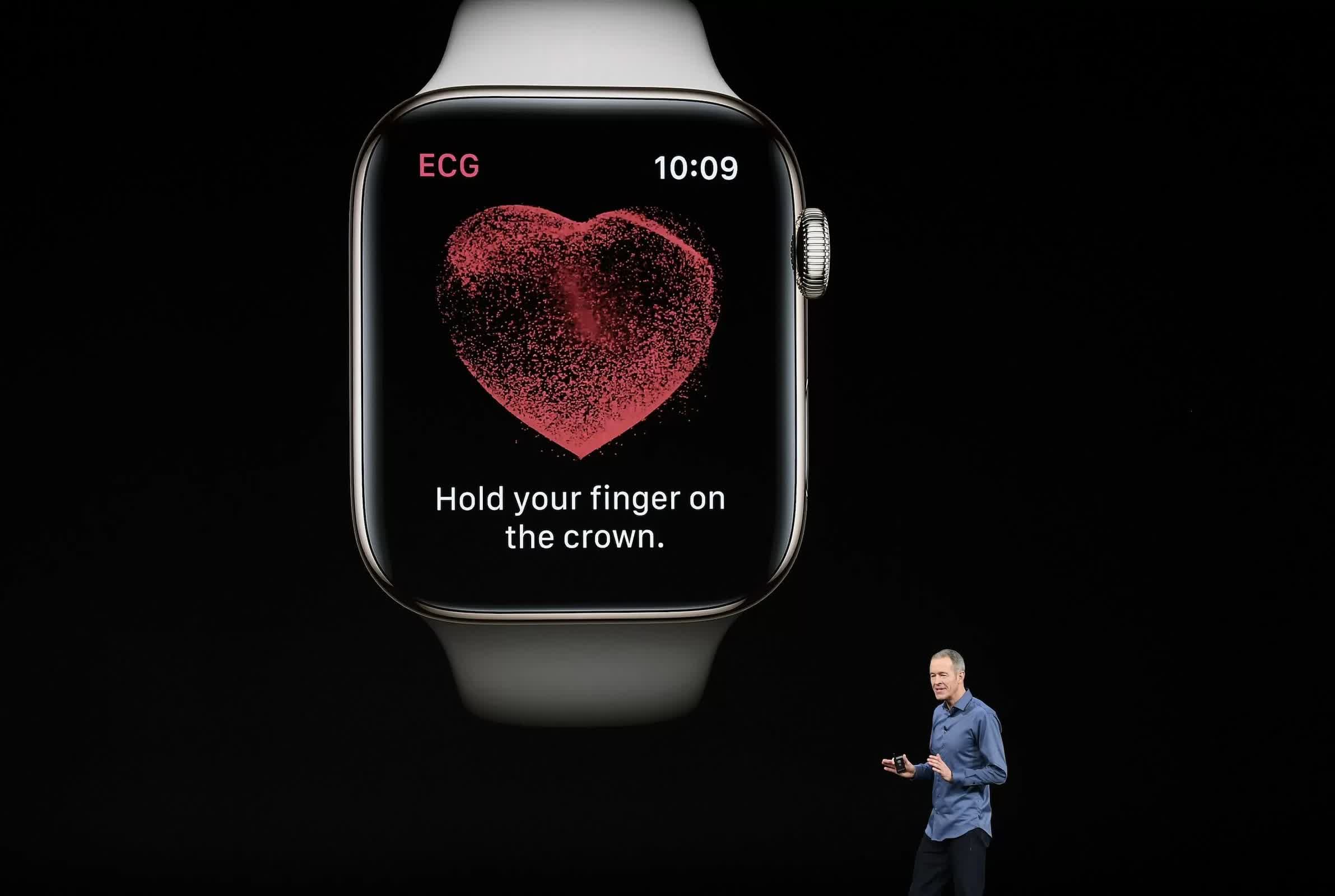
The new implementation reflects a more constrained design. Under the customs-approved approach, blood-oxygen readings collected by the watch's sensors are displayed on associated Apple devices, such as the iPhone, rather than on the watch's own screen – contrasting with Apple's original user experience.
That change was central to Apple's argument that the redesigned watches no longer infringe Masimo's patented inventions. The ITC judge provisionally accepted that position, finding the current watches non-infringing and declining to recommend a new import ban.
In a statement, Apple said it was pleased with the ITC determination and indicated that it will continue to press its case in related venues, promising to evaluate "all avenues for further review" of earlier decisions that went against it. The company also criticized Masimo's broader litigation campaign, noting that Masimo has spent six years pursuing more than two dozen patent claims against Apple, most of which have been deemed invalid.
Masimo declined to comment on the latest ITC ruling.
Even as Apple won this round, it faced a setback in a parallel proceeding. On the same day the ITC judge's preliminary decision became public, the US Court of Appeals for the Federal Circuit affirmed the ITC's original 2023 import ruling, which had found that older Apple Watch models infringed Masimo's pulse-oximetry patents. Apple has already resumed importing its redesigned watches, but the appellate decision cements the legal conclusion that its earlier implementation violated Masimo's rights.
The smartwatch dispute is only one front in a broader legal and commercial conflict between the two companies. Masimo, based in Irvine, California, has accused Apple of hiring away employees to gain access to its pulse-oximetry know-how and has separately sued US Customs over the agency's approval of Apple's redesigned watches.
In another case in California federal court, Masimo won a $634 million jury verdict in November, when jurors concluded that Apple infringed a Masimo patent tied to blood-oxygen measurement technology in certain Apple Watch features. Apple has said it will appeal that verdict.
The outcome of the fight will now unfold against a changing ownership backdrop for Masimo. In February, Danaher agreed to acquire Masimo in a $9.9 billion all-cash deal, positioning the medical-monitoring specialist within a much larger diagnostics and life-sciences portfolio. The transaction, expected to close in the second half of 2026, could give Masimo greater financial backing as its litigation with Apple continues, even as Apple strengthens its smartwatch line with the current non-infringement finding at the ITC.