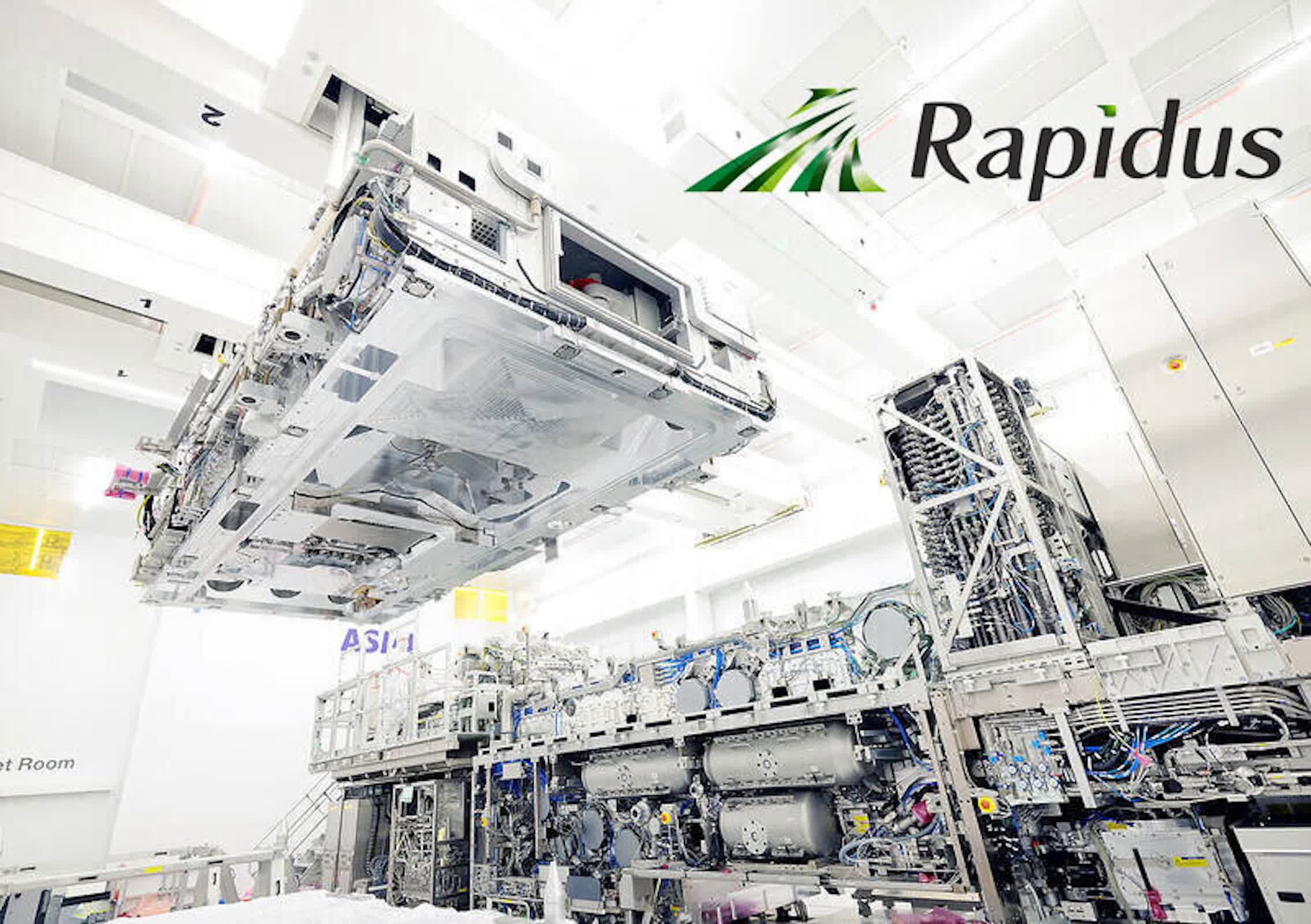
The takeaway: Japan's state-backed chip venture Rapidus has entered 2026 in a different position from when it was launched in 2022. The company has moved from a national bet on paper to an operating pilot line with working two-nanometer prototypes, fresh capital, and a leadership team openly talking about building fabs beyond Earth's atmosphere.
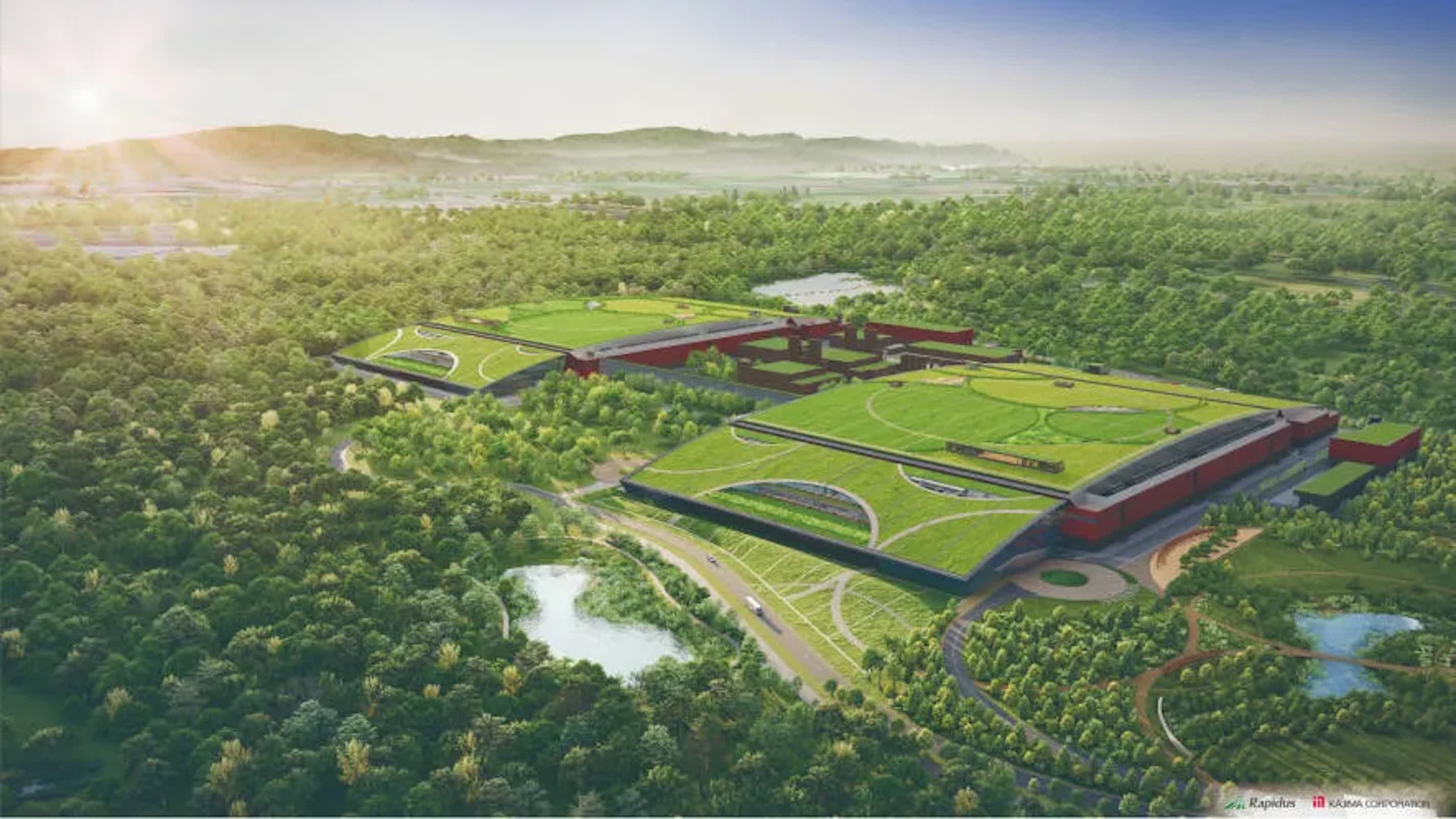
Rapidus' first plant, IIM-1 in Chitose, Hokkaido, has shifted from a construction site to a pilot line. In mid-2025, the company had activated the cleanroom, installed extreme ultraviolet tools, and began running test wafers through a two-nanometer gate-all-around process developed with IBM.
Recent measurements show those devices are hitting their planned electrical characteristics, a key step toward eventually serving high-performance computing and AI workloads.
The company's roadmap still points to mass production around 2027, with 2026 positioned as the year when the pilot line stabilizes and customers get serious about design work. Rapidus is working on the process collateral designers will need to tape out parts for the new node, aiming to pull customers into its design flow early in the ramp.
CEO Atsuyoshi Koike has said the company is already talking with potential customers exploring designs for AI and other advanced workloads.
Financing has also shifted. This February, Rapidus closed a 267.6 billion yen round, roughly $1.7 billion, led by the Japanese government and more than 30 private-sector partners, including Canon, Fujitsu, NTT, SoftBank, Sony, and Toyota.
The injection lifts total stated capital and reserves to about 275 billion yen and takes government influence to a level where Tokyo now holds a sizable minority stake, a sign of how closely the project is tied to industrial policy. Officials describe the program as central to securing domestic capacity in leading-edge logic by the late 2020s.
On the technology side, Rapidus continues to lean heavily on IBM for know-how. IBM researchers have transferred key elements of their two-nanometer technology, and the companies say they are working together to tune the process for volume production. IBM's 2 nm work, which Rapidus is building on, uses nanosheet architectures and multi-Vt options to give designers more flexibility in balancing speed and leakage at advanced nodes. For Rapidus, that relationship is also a symbolic break from the insular approach many in Japan's chip sector now say held the country back in earlier cycles.
Koike is positioning manufacturing speed as one way to stand out in a market dominated by TSMC and Samsung. Rapidus plans to process wafers individually rather than in large batches, aiming to dramatically reduce cycle times for customers who pay for faster service.
The company presents this as an express lane for high-value designs. Whether that model scales economically at the volumes needed for leading-edge logic remains an open question, especially as the company's spending is still small compared with the tens of billions of dollars top foundries deploy each year.
Even as Rapidus works through the practical demands of bringing IIM-1 to mass production, Koike has begun talking more publicly about a still more distant goal: manufacturing semiconductors on the moon. He argues that the moon's low gravity and hard vacuum could simplify some steps in chip fabrication, and has suggested that a lunar fab could be feasible in the 2040s if launch, construction, and power challenges can be solved.
The concept tracks with wider plans for permanent lunar infrastructure under NASA's Artemis program and similar efforts in other countries, which could, in theory, provide the base logistics a semiconductor plant would need.
For now, the path for Rapidus runs through Hokkaido, not the lunar surface. The company still has to prove that its pilot line can transition to stable, high-yield production at a node where only a handful of firms operate and where capital requirements are unforgiving.
But after a year that delivered working two-nanometer prototypes, a funded plan to move into mass production, and a clearer articulation of its longer-term ambitions, Rapidus is moving through 2026 as a real participant in the advanced-node race rather than just a policy experiment.