What just happened? Meta is expanding its use of in-house AI silicon and has agreed to keep Broadcom as a long-term partner for design and manufacturing of its custom Training and Inference Accelerators, or MTIA chips. The companies announced an expanded agreement that runs through 2029 and centers on the accelerators, which will power future large-scale compute deployments.
Under the deal, Meta has committed to an initial deployment of 1 gigawatt of MTIA capacity and plans to ramp to multiple gigawatts of Broadcom-based accelerators as its AI footprint grows. Broadcom said that the chips will be the first AI silicon manufactured on a 2-nanometer process.
Meta is working with its partner on chip design, advanced packaging, and networking for MTIA, giving Broadcom a broad role in its AI compute infrastructure.
Broadcom, which has been under scrutiny over how much it benefits from Meta's custom chip plans, used the announcement to stress that Meta's MTIA program is still on track. "Now, contrary to recent analyst reports, Meta's custom accelerator, MTIA roadmap is alive and well. We're shipping now and, in fact, for the next generation XPUs, we will scale to multiple gigawatts in 2027 and beyond," Broadcom CEO Hock Tan said on the company's March earnings call.
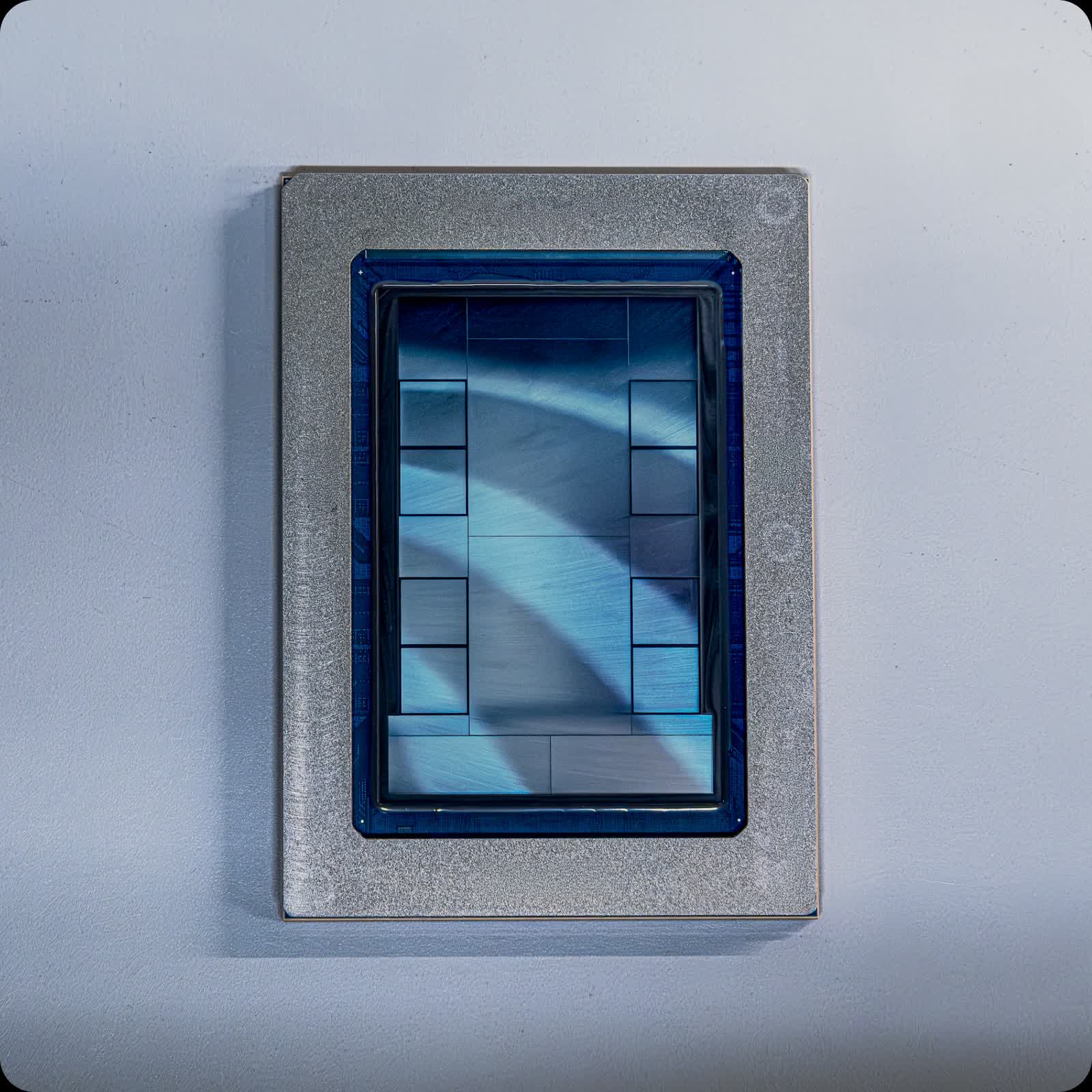
The deal lands as large cloud providers look for ways to rely less on pricey, scarce GPUs from Nvidia and AMD by designing their own ASICs tailored to specific AI workloads. Those custom chips offer less flexibility than general-purpose GPUs, but they can be cheaper and more efficient when running a fixed set of AI tasks.
Google launched the first major hyperscaler ASIC effort with its Tensor Processing Units in 2015, followed by Amazon's custom chips in 2018. Unlike those companies, which expose their accelerators through cloud platforms, Meta uses its MTIA silicon entirely for internal workloads.
Meta introduced MTIA in 2023 and added four new versions in March – a quick turnaround between chip iterations. The Broadcom agreement follows Meta's multi-gigawatt GPU deals with AMD and Nvidia and a new custom-chip partnership with Arm Holdings. Meta plans to host this mix of GPUs and accelerators across 31 data centers, including 27 in the US.
The silicon strategy sits inside a much larger capital plan. In January, Meta said it could spend up to $135 billion on AI this year as it tries to stay on pace with Google, Amazon, Anthropic and OpenAI. Broadcom has a separate long-term agreement with Google to develop and supply future TPUs, and beginning in 2027 Anthropic is slated to access about 3.5 gigawatts of that TPU capacity.
Board changes are unfolding alongside the technical and financial commitments. According to a securities filing, Tan told Meta last week that he will not stand for reelection to Meta's board, which he joined in 2024.