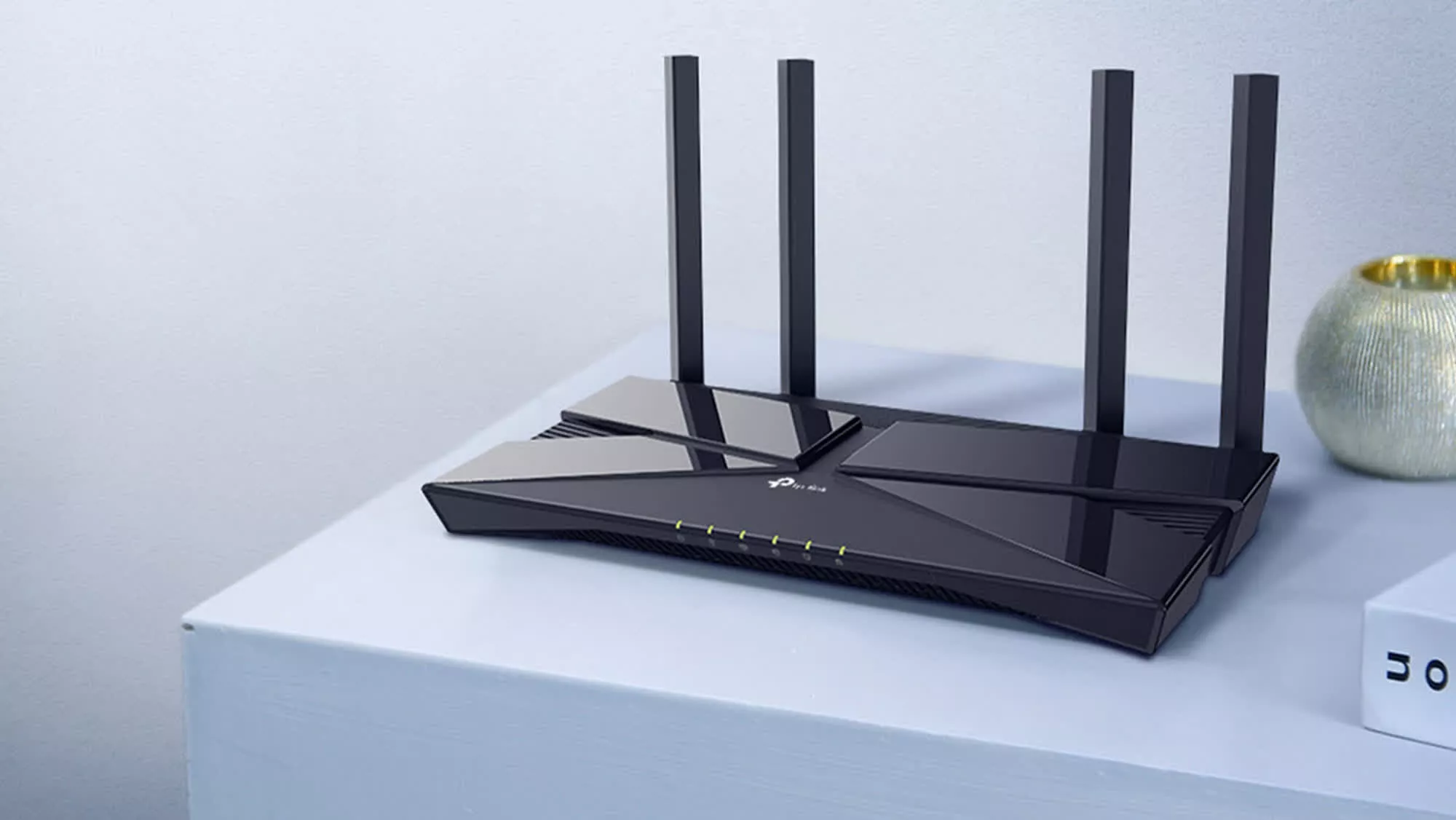
In context: The most popular router company in the US, TP-Link, has faced the threat of a ban in the country for several years. With the FCC's foreign-made router ban making that scenario more likely than ever, TP-Link has met with the agency to once again argue that it is an American, not Chinese, company.
A pair of FCC regulatory filings show that TP-Link met with officials on Thursday, during which the company's lawyers and consultants spoke with staff for FCC Commissioners Olivia Trusty and Anna Gomez.
The intention of the meeting was for TP-Link to secure an exemption from the recent foreign-made router ban introduced by the FCC.
The firm repeated the argument that it is a US company with headquarters based in Irvine, California. It added that research shows TP-Link has over a third of the direct-to-consumer router market share, and that its devices are praised by reviewers for their performance, ease of install, and affordable price.
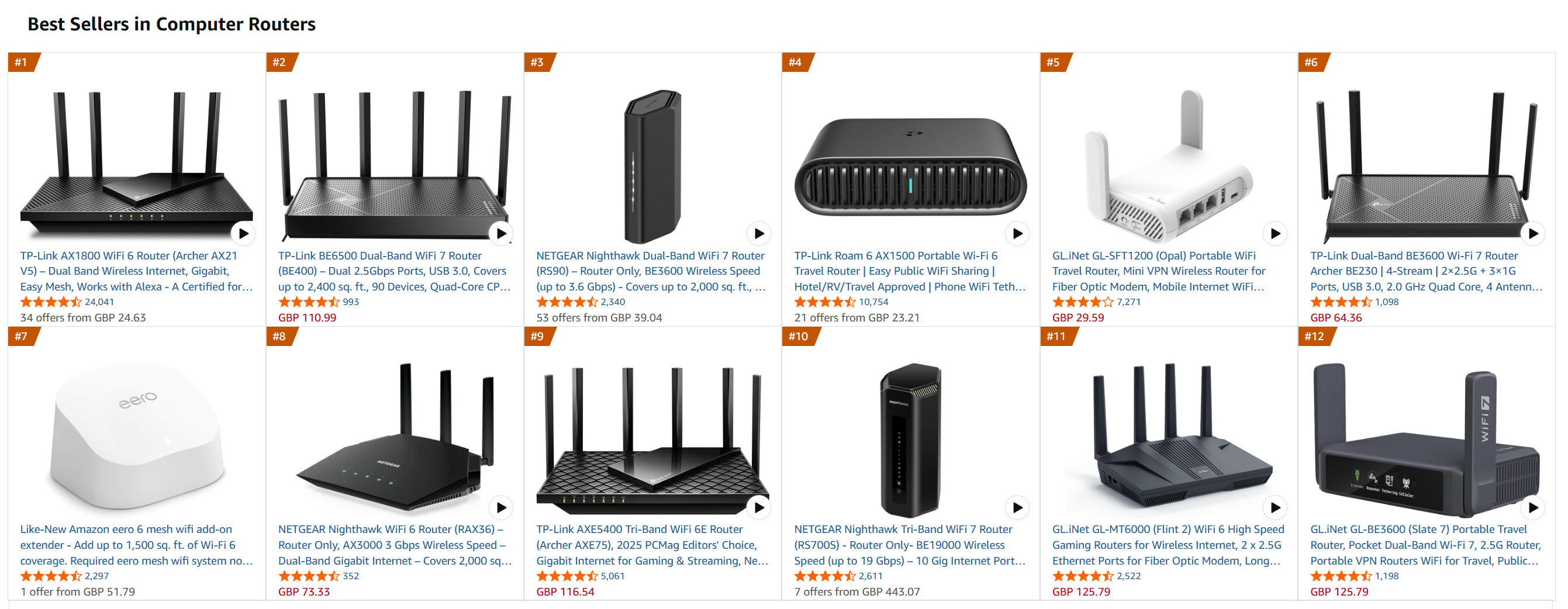
The prospect of TP-Link routers being banned in the US first appeared in December 2024, when reports revealed that the Commerce, Defense, and Justice departments had opened their own probes into the firm over national security concerns. Its pricing and, most significantly, ties to China also came under scrutiny.
In February, Texas Attorney General Ken Paxton sued TP-Link over allegations that it allowed state-sponsored Chinese hacking groups to access its devices. Paxton first opened an investigation into the company in October 2025.
Founded in Shenzhen, China, in 1996 by brothers Zhao Jianjun and Zhao Jiaxing, TP-Link established its US arm in 2008 to handle marketing and support in North America, though ownership and operations remained tied to its China-based parent.
In 2024, TP-Link USA merged with the company's non-Chinese operations to form TP-Link Systems Inc., headquartered in Irvine, California – a move intended to create an "organizational separation," with distinct ownership, governance, R&D, and supply chains on each side. But the US isn't entirely convinced the separation is distinct enough.
TP-Link will be hoping it can follow in the footsteps of Netgear and Adtran, which have received exemptions from the ban for the next 18 months.
Applying for an exemption requires companies to disclose ownership (including owners' nationalities), leadership, and supply chain details, and certify accuracy in a signed submission. CEO and co-founder Jeffrey Chao is a Chinese citizen, though he is reportedly seeking a Trump gold card: a fast-track US immigration visa for wealthy foreigners that costs $1 million.
The FCC said routers already authorized for use in the US can continue receiving software and firmware updates, including security patches and compatibility fixes, under a temporary waiver that expires on March 1, 2027.
H/T: PCMag