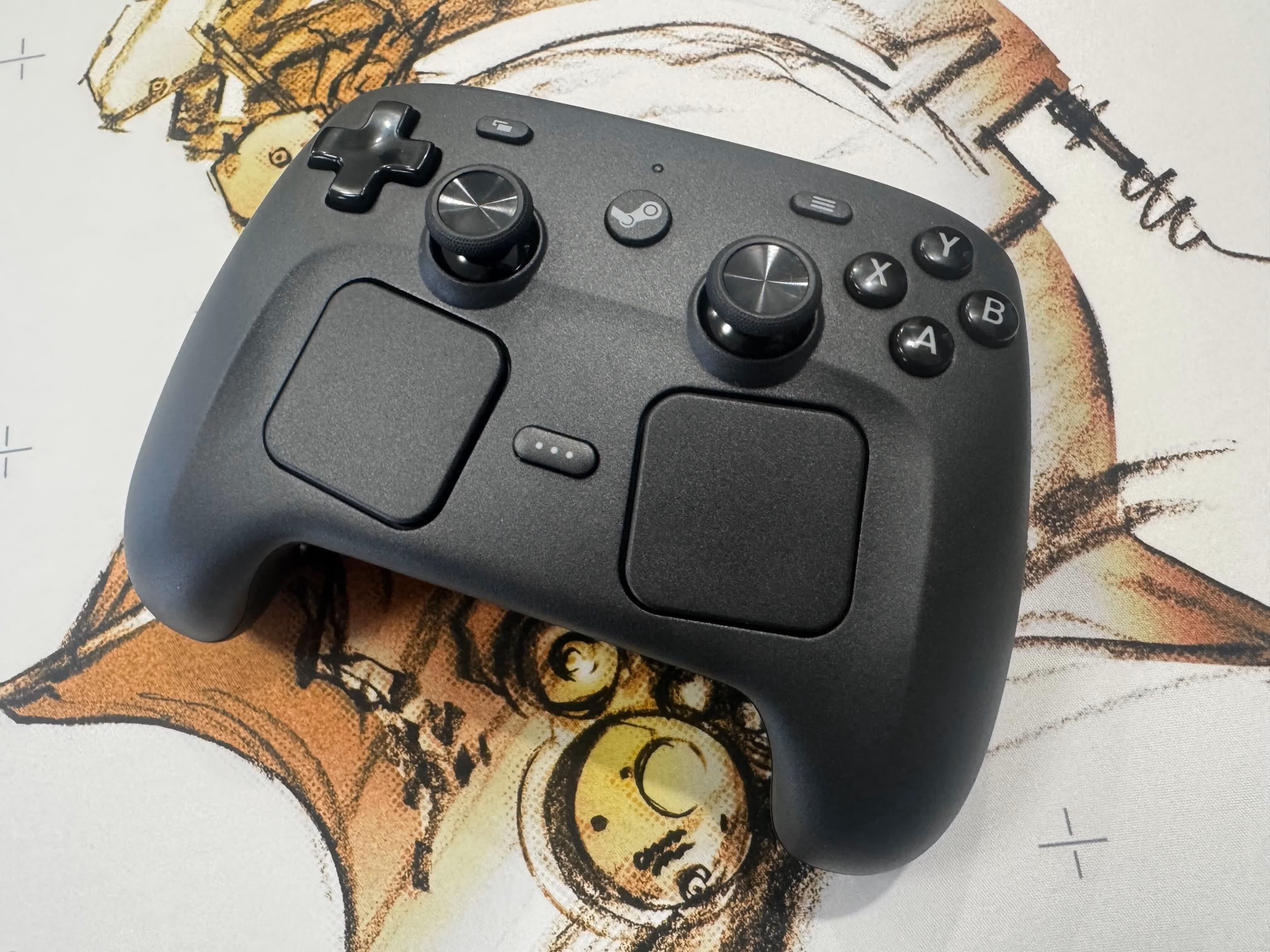
First look: Full reviews for Valve's Steam Controller are now live. Critics broadly praise the hardware, including drift-resistant TMR sticks, rear grip buttons, Steam Input customization, and a more refined take on the dual-trackpad concept that defined the original controller. Several reviewers also point to tight integration with the broader Steam ecosystem as one of the controller's biggest strengths.
That said, the $99 price remains the biggest point of debate. Some question whether the controller offers enough to justify costing more than mainstream console pads, while others argued its extra inputs and PC-focused features make it closer to a premium enthusiast device.
Criticism also centers on trackpad comfort during extended sessions and the lack of a headphone jack, though early consensus suggests Valve may have successfully turned what once felt experimental into a more practical, if still unconventional, controller.
Image credit: Polygon
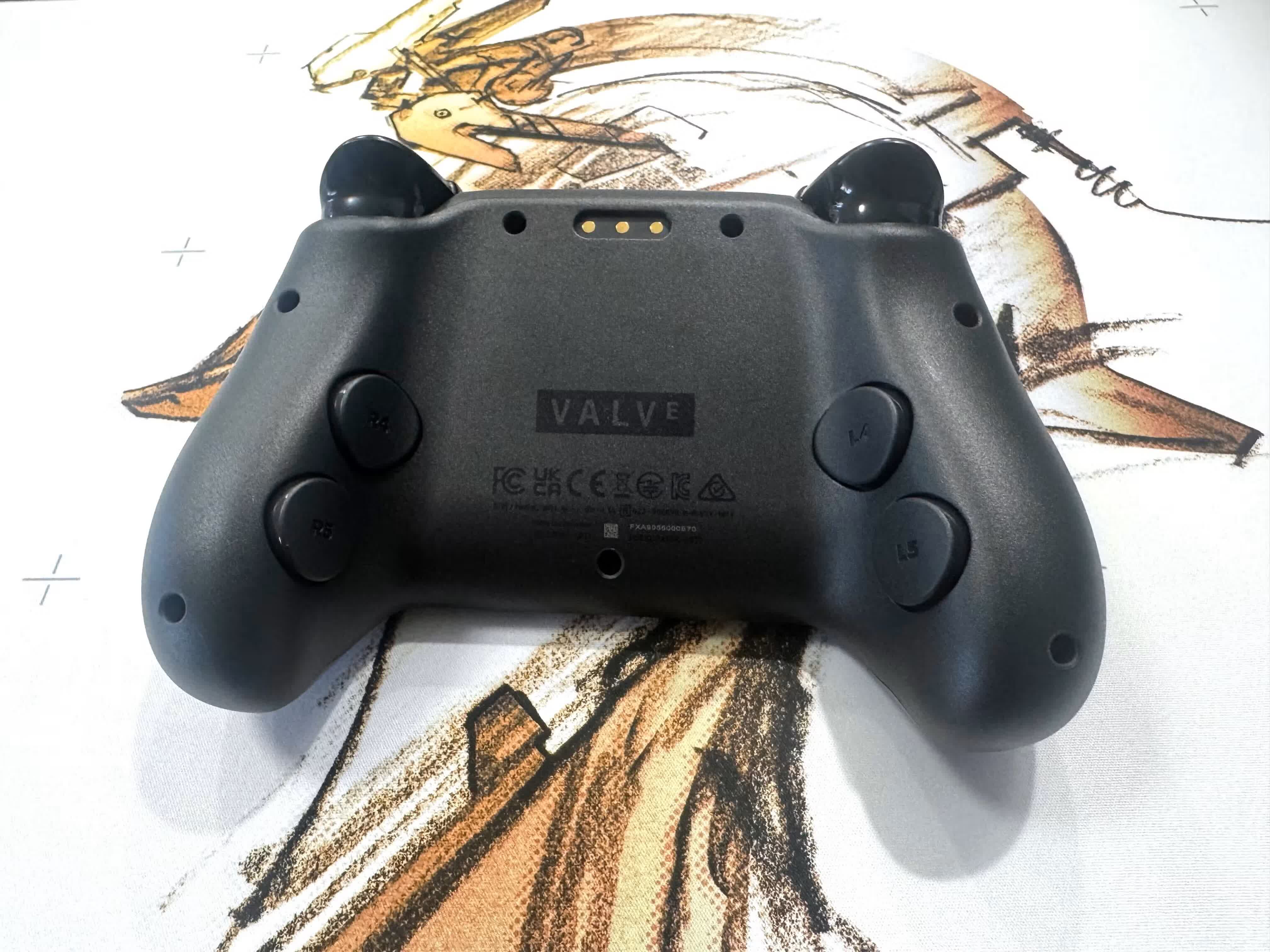
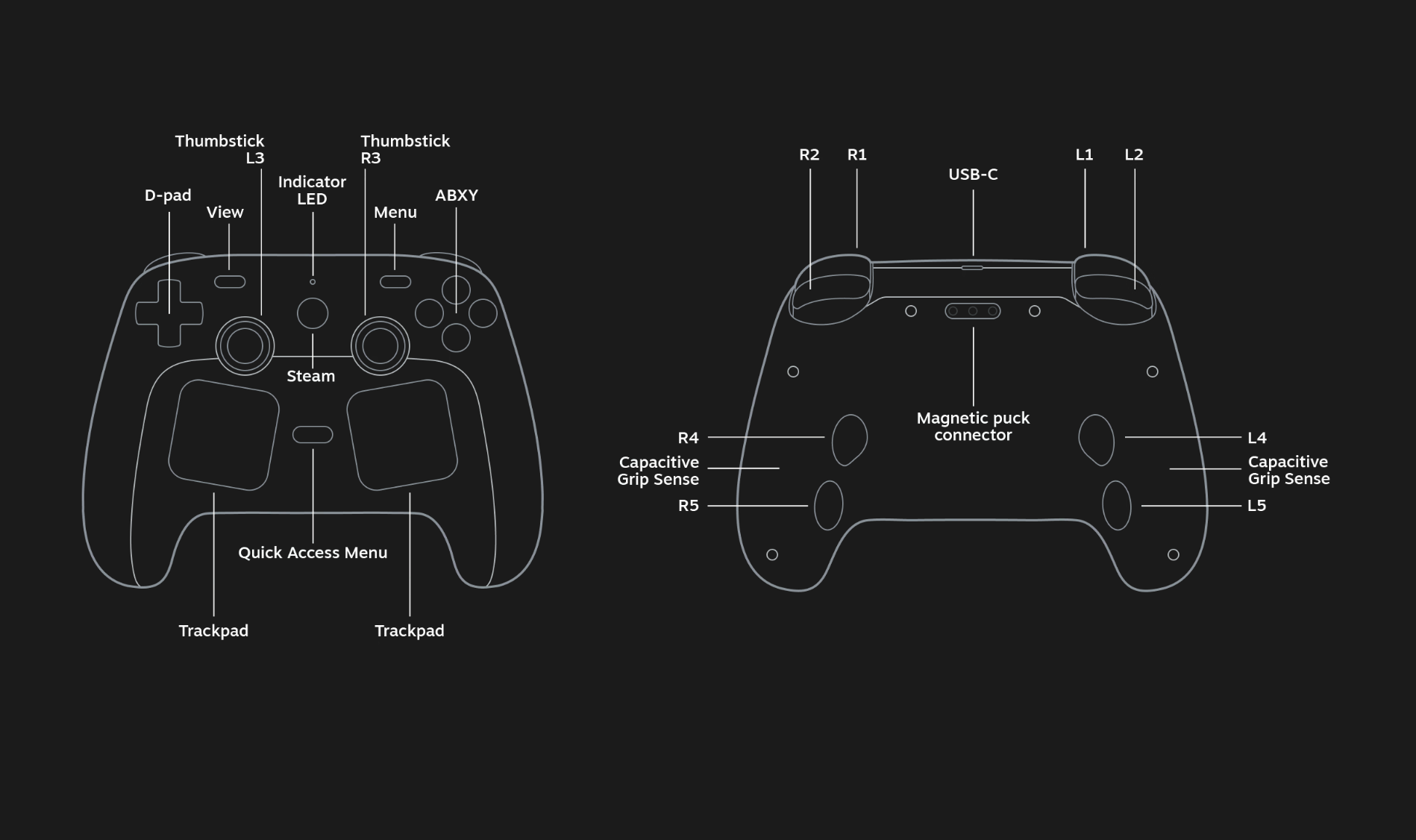
A briefly posted YouTube review offered an early look at Valve's upcoming Steam Controller, highlighting its dual-trackpad layout and a $99 price tag – higher than Sony's DualSense and Microsoft's standard Xbox Wireless Controller. Before the video was taken down, a viewer recorded and shared it on social media, preserving several minutes of footage in which the reviewer methodically walks through the controller's design.
The $99 price tag aligns with Valve's decision not to subsidize its new hardware. The company announced the Steam Controller in late 2025 alongside a new Steam Machine and the Steam Frame VR headset.
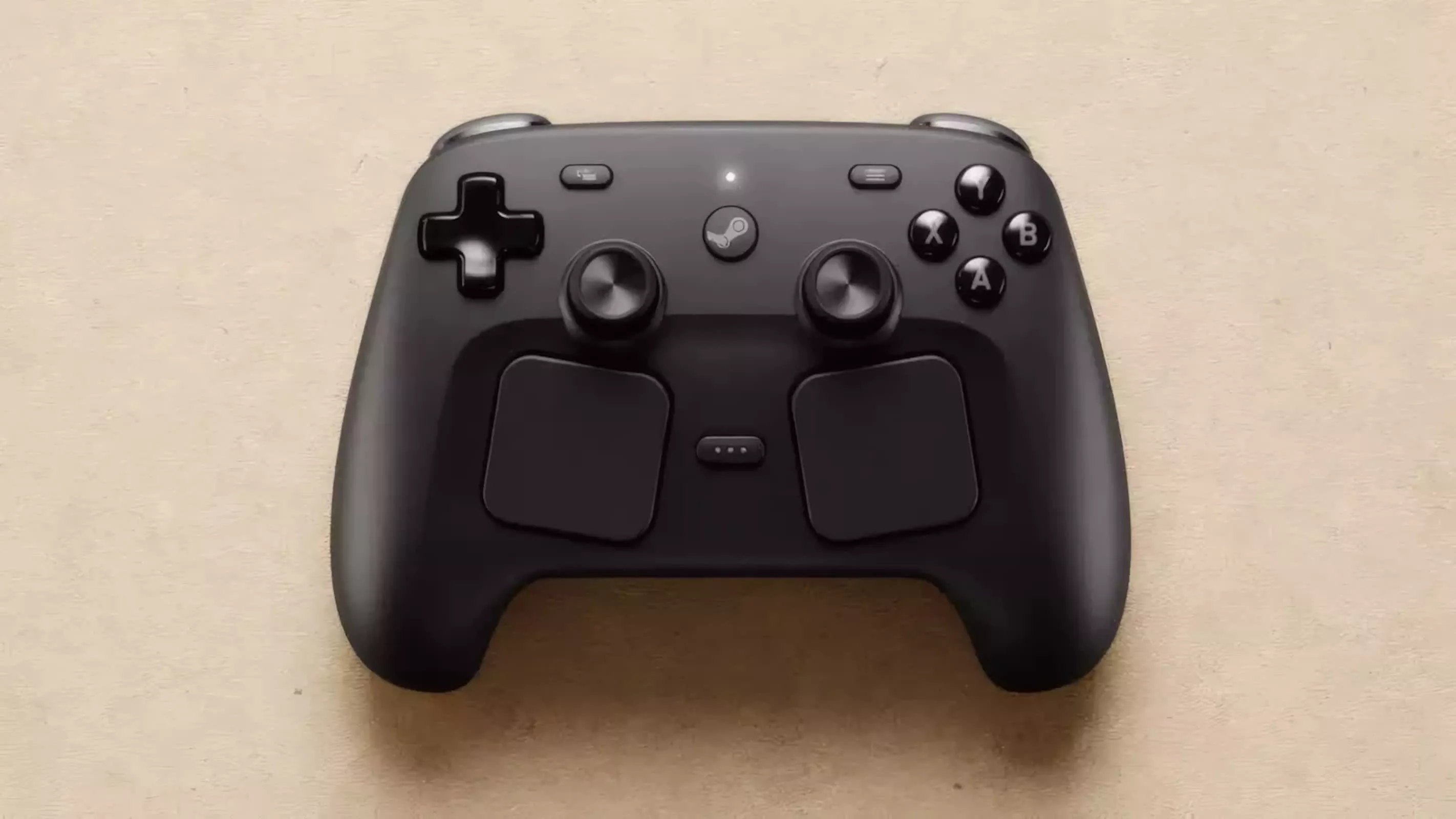
Unlike traditional console makers, Valve has made it clear that it does not plan to sell its devices at a loss. That stance carries more weight now that memory shortages and rising component costs have already pushed the hardware schedule back multiple times. What was initially framed as an early 2026 launch window has slipped repeatedly, with the company now targeting a release sometime this year.
At $99, the controller sits well above mainstream options such as Microsoft's Xbox Wireless Controller and Sony's DualSense, while still undercutting premium-tier devices like the Xbox Elite Series 2. This pricing places the Steam Controller squarely in the middle: more advanced and expensive than basic gamepads, but still cheaper than top-end pro models.
Much of the controller's identity – and likely its higher price – stems from its dual-trackpad system. Unlike traditional thumbsticks, these trackpads are designed to emulate mouse-like precision, a feature particularly relevant in a PC-centric ecosystem.
– Pirat_Nation (@Pirat_Nation) April 25, 2026
For genres that rely heavily on cursor control such as strategy games, simulation titles, and certain shooters, that extra precision could make controllers feel less compromised than a mouse. This design also aligns closely with SteamOS, where navigating a desktop-style interface from a couch requires more flexibility than a typical console UI.
That said, the approach comes with trade-offs. While trackpads can approximate mouse input, they do not fully match the speed and accuracy of a dedicated mouse and keyboard, especially in competitive scenarios.
How useful the pads feel in practice will depend on real-world game support and configuration options. Compatibility across multiple operating systems including Windows, macOS, Android, and iOS adds versatility, but it also increases the burden on Valve to ensure consistent performance.
The timing of the leak may also be telling. Even without a confirmed release date, the fact that reviewers already have hardware suggests the products are getting closer to launch, even as supply issues linger.
At the same time, rising component costs – particularly for memory – continue to cast doubt on the Steam Machine's viability. Some observers believe it could struggle to compete if pricing climbs too high.
For now, the Steam Controller appears central to Valve's effort to bring PC gaming into the living room while pricing its hardware more like PCs than consoles. How players respond to its unconventional controls and premium price will say a lot about whether Valve's hardware push has staying power.