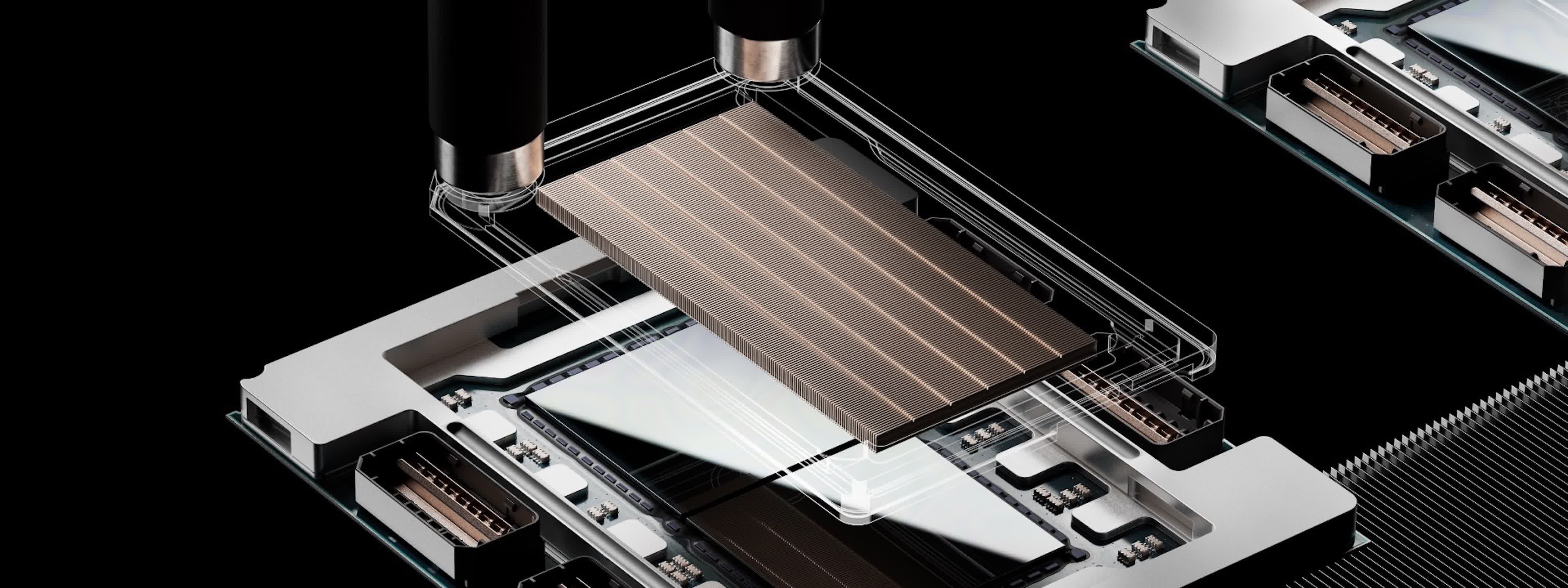
First look: IBM is developing a mainframe chip designed to run Arm software directly alongside IBM Z and LinuxONE code. The approach could let customers add Linux, cloud and AI applications while keeping core transaction workloads on the same system.
The processor was showcased at Hot Chips 2026 and is expected to use 11 IBM Z cores built on a 2-nanometer process. IBM said the cores will operate above 5.7 GHz and support native execution of both z/Architecture and AArch64 instructions.
That's the central change here: IBM isn't placing separate Arm and Z cores on the same chip, and it isn't using emulation. Instead, Arm instruction support is being built directly into the mainframe core, with each processor core able to run Arm instructions concurrently with IBM Z or LinuxONE instructions.
The design could make it easier for customers to run Arm-based Linux, cloud-native and AI software alongside mainframe applications that handle core transaction and database workloads. IBM said it wants to combine the reach of the Arm software ecosystem with the scalability, security and high-availability features associated with Z and LinuxONE.
The chip will also include a set of specialized accelerators. IBM plans AI inference hardware for in-transaction fraud detection, a data processing unit for I/O acceleration, and separate accelerators for compression, cryptography and sorting.
Its cache system is substantial: IBM disclosed a 36 MB private L2 cache, a 432 MB virtual L3 cache and as much as 3.5 GB of virtual L4 cache, resources intended to keep latency low for large databases and transaction-heavy workloads.
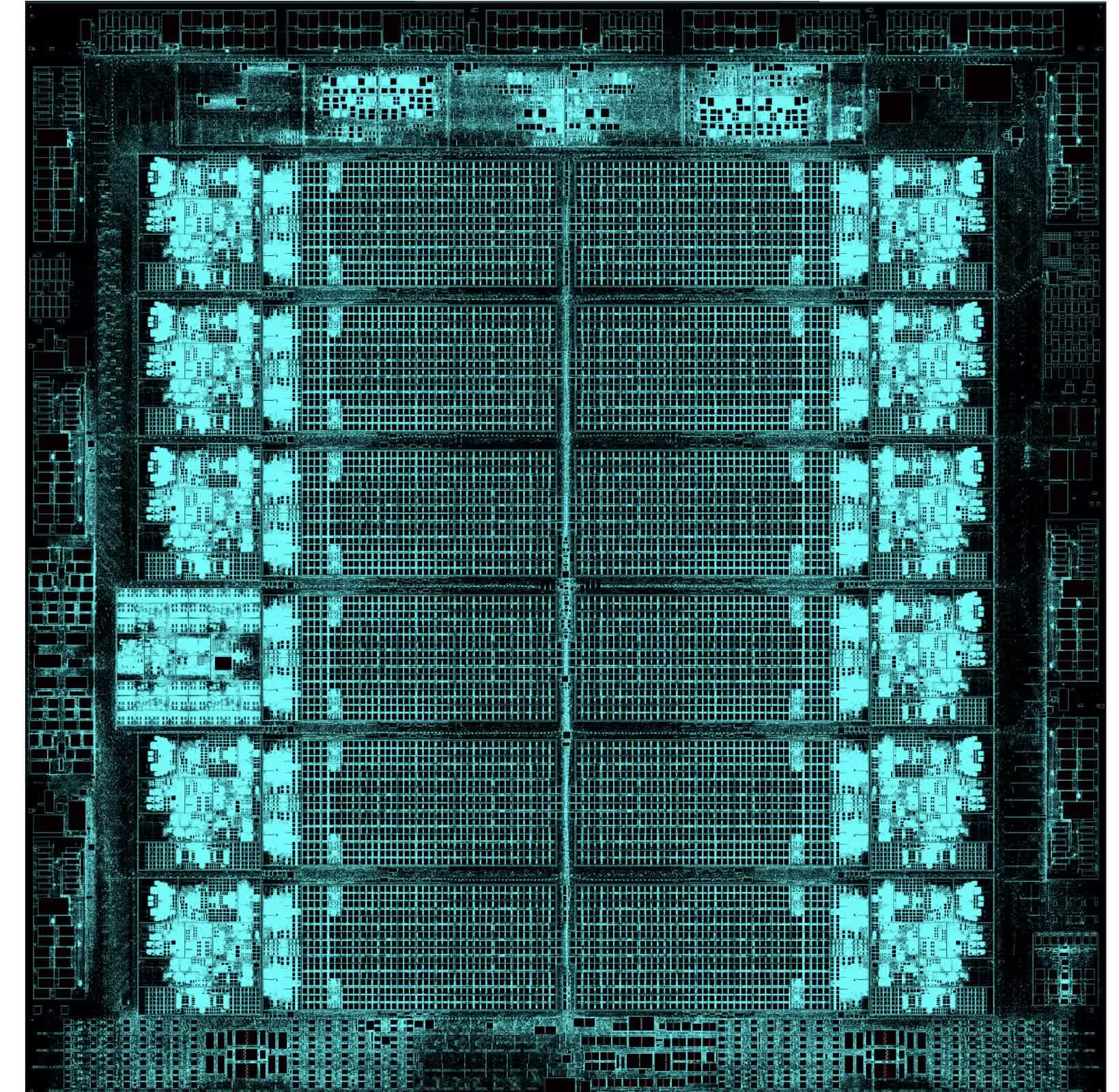
IBM hasn't named the processor or announced the system that will use it, but the company said it expects the design to arrive in 2028. IBM launched its current z17 mainframe generation in 2025 and has generally updated the platform on a three-year schedule, making the chip a likely candidate for a future z18 family.
The announcement comes as Arm gains a larger role in enterprise infrastructure. Major cloud providers have introduced their own Arm processors, while open-source infrastructure, AI and cloud-native software increasingly supports the architecture. According to Meredith Stowell, IBM's vice president for the zSystems Ecosystem, the Arm ecosystem includes more than 22 million developers and a growing selection of cloud-native, AI, analytics, infrastructure and enterprise software.
IBM's mainframes remain central to many large organizations, particularly in financial services. IBM says its Z and LinuxONE systems run 68% of the world's production IT workloads, while 77 of the world's 100 largest banks use the platforms.
Still, the mainframe market is limited compared with the broader server market. That can make IBM Z a lower priority for independent software vendors, even as the systems continue to run some of the most critical workloads inside major companies.
George Cozma, an analyst at TechInsights, told The Register that the market is "small in unit terms" but "strategically important." He said customers rarely replace mainframes because "core applications, decades of operational practice, and data gravity make migration expensive and risky."
Cozma said the dual-architecture processor could help close the distance between IBM Z and the software environment driving modern cloud and AI deployments. The technology would let IBM retain the features that have long defined its mainframes while expanding the software available to customers.
IBM Z systems already run Linux workloads beside z/OS applications through KVM and OpenShift virtualization. The new processor would expand that model by supporting both s390x/Z and Arm64 virtual machines.
IBM hasn't announced plans to support operating systems beyond those discussed at Hot Chips. But by adding Arm execution directly to the processor, the company is trying to make its next mainframe generation more useful for organizations that need both legacy-scale transaction processing and newer Linux and AI workloads.