A hot potato: Meta set out to reorganize much of its workforce around AI at the beginning of this year, betting that agents could help the company move faster while reducing the need for larger teams. The company went ahead with 10% workforce cuts in May but ultimately dropped plans for a broader round of layoffs after its AI workplace "overhaul" ran into employee resistance and technical problems.
Meta had been preparing a restructuring program called Project OT, or Organization Transformation. According to an internal planning document reviewed by Reuters and three people familiar with the project, the plan was built around an "AI-native" model that would rely more heavily on AI agents and smaller groups of employees. Internal planning called for cutting some teams by as much as 60% through layoffs, hiring freezes, and performance-related exits.
The plan lost momentum as Meta found that its AI tools were not producing the gains executives had expected. Internal figures showed a sharp increase in AI-assisted code, but a much smaller increase in product improvements reaching users.
Code changes to Meta's internal software platforms and infrastructure rose 220% from a year earlier, according to an internal post by Chief Technology Officer Andrew Bosworth. However, the number of new or upgraded features shipped to users rose just 36%.
Infrastructure teams had raised concerns as early as March about problems related to the increase in AI-generated code. One internal post warned of "reliability warning signs." Another, posted in April, said AI agents without sufficient oversight were taking "large-scale, disruptive actions that humans are unlikely to execute."
Internal posts said major technical and security incidents had climbed 40% from the prior year, while the time employees spent responding to them increased 70%. Meta declined to comment to Reuters on those figures.
The problems became visible outside the company in June, when hackers exploited Meta's AI-powered customer support bot to gain access to high-profile Instagram accounts, including the dormant Obama White House account.
Project OT grew out of Meta's effort to speed up product development. Last year, product executive Ime Archibong started a pilot using five small technology pods. Each group had two or three engineers and a designer working with AI tools. Rather than following six-month planning cycles, the teams were expected to build prototypes in four-week sprints.
"In basketball, embracing the fast break lets you take more shots – and better ones. We expect the same with AI tools: they allow us to explore more ideas with less cost and higher fidelity," Archibong wrote in an internal post.
Meta later circulated an "AI-Native Playbook" that proposed broader changes to how teams were structured. Traditional engineering and design roles would be replaced with the title "builder." The model also called for fewer management layers and smaller pods reporting to senior unit leaders. AI would assist with setting work priorities.
By June, at least 11 Meta units, including engineering and research teams, had adopted pod-based structures. Under a related "village approach," senior leaders would oversee groups of 30 to 50 employees, while pod leads would handle daily work without formal management authority.
The plan created confusion among some workers. One employee assigned to manage a pod wrote internally, "I'm not going through manager training, and I'm not getting access to ratings & manager tools."
Meta said teams had tested different ways of becoming more agile. The company said people, not AI, made performance and promotion decisions.
The company also created a human resources tool to identify "Irreplaceable Talent," including hypothetical "10X Performer" employees. Meta intended to use some of the savings from job cuts to offer large compensation packages to top AI engineers, according to people familiar with the planning.

Reports in March that Meta was weighing much deeper cuts unsettled employees who had not yet been briefed on the broader restructuring plan. Company leaders largely avoided discussing the reports with rank-and-file employees, while telling senior managers to say that jobs would "evolve" because of AI. The uncertainty fueled concerns that Meta's push to automate work was also a plan to reduce its workforce.
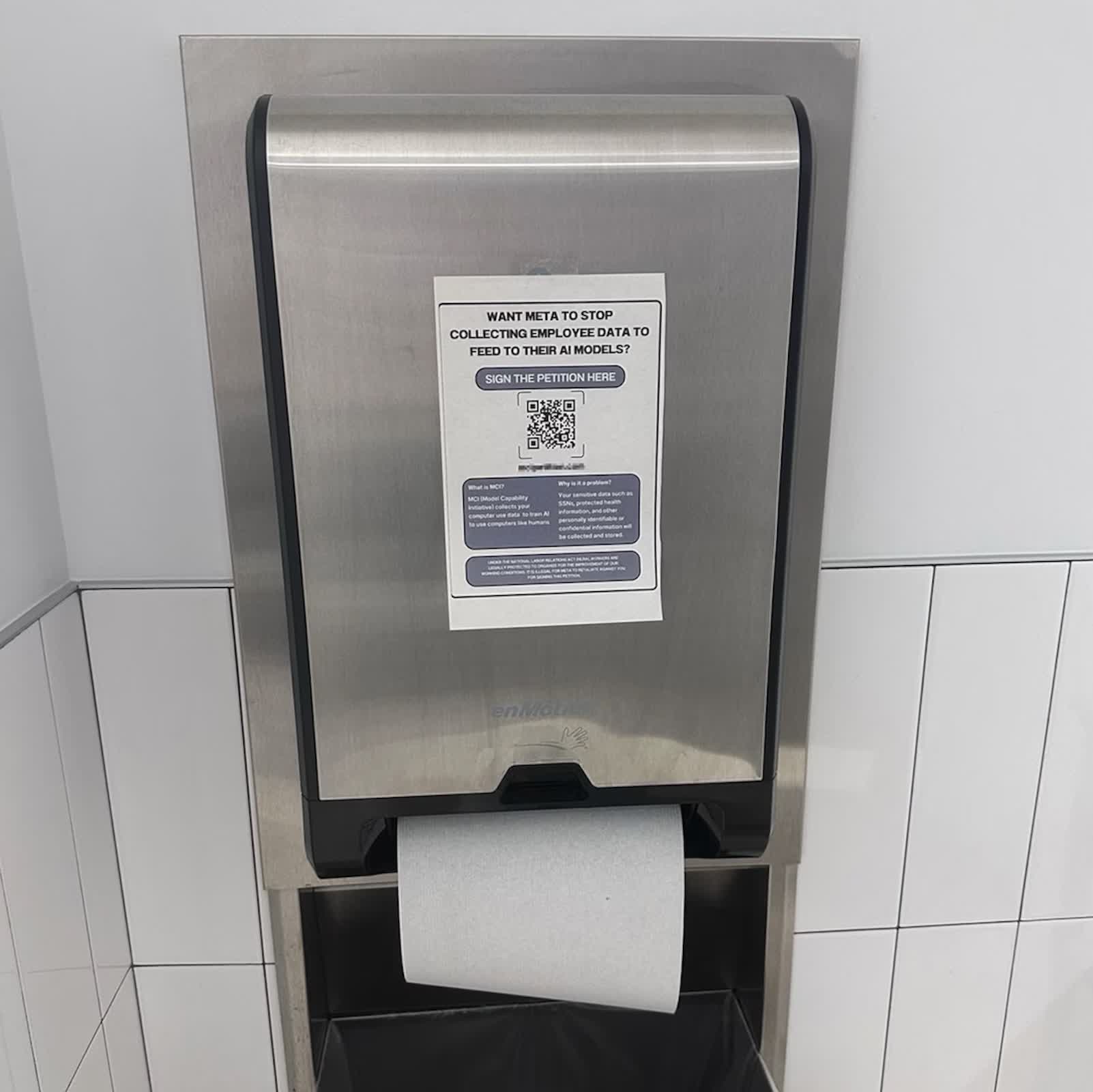
Workers were also angered by a plan to install tracking software on US employees' devices to capture keystrokes and mouse movements. The data was intended to help train AI agents to use computers.
Employees worried they were helping train systems that could eventually replace them. Internal forums filled with criticism, and labor-organizing efforts gained traction. Meta's employee sentiment score fell to 55% favorable from 74%, according to its half-year Pulse survey.
Meta reassigned some engineers to an Applied AI Engineering unit that created software-engineering problems for AI training data. The company said data from the unit helped train an AI model released in July. Some employees, however, criticized the work internally as repetitive. In some engineering units, headcount fell by as much as 30% by the end of May due to transfers and layoffs.
Hours before the May 20 layoffs were announced, Zuckerberg met with senior executives and halted planning for a second restructuring wave that had been expected in November. The company still cut 10% of its workforce the following day.
After the layoffs, Zuckerberg wrote that he did "not expect other company-wide layoffs this year" and said Meta needed to provide employees with more stability. The company later paused the mouse-tracking program and allowed some employees to return to their former teams from the AI engineering group.
In July, Zuckerberg acknowledged that AI agents had not "accelerated" as quickly as expected. He said he still expected the technology to deliver more benefits within three to six months.
Meta plans to spend at least $130 billion this year on AI chips and other infrastructure. Meanwhile, the company faces growing pressure from investors to demonstrate what that spending can deliver.
Image credit: Reuters