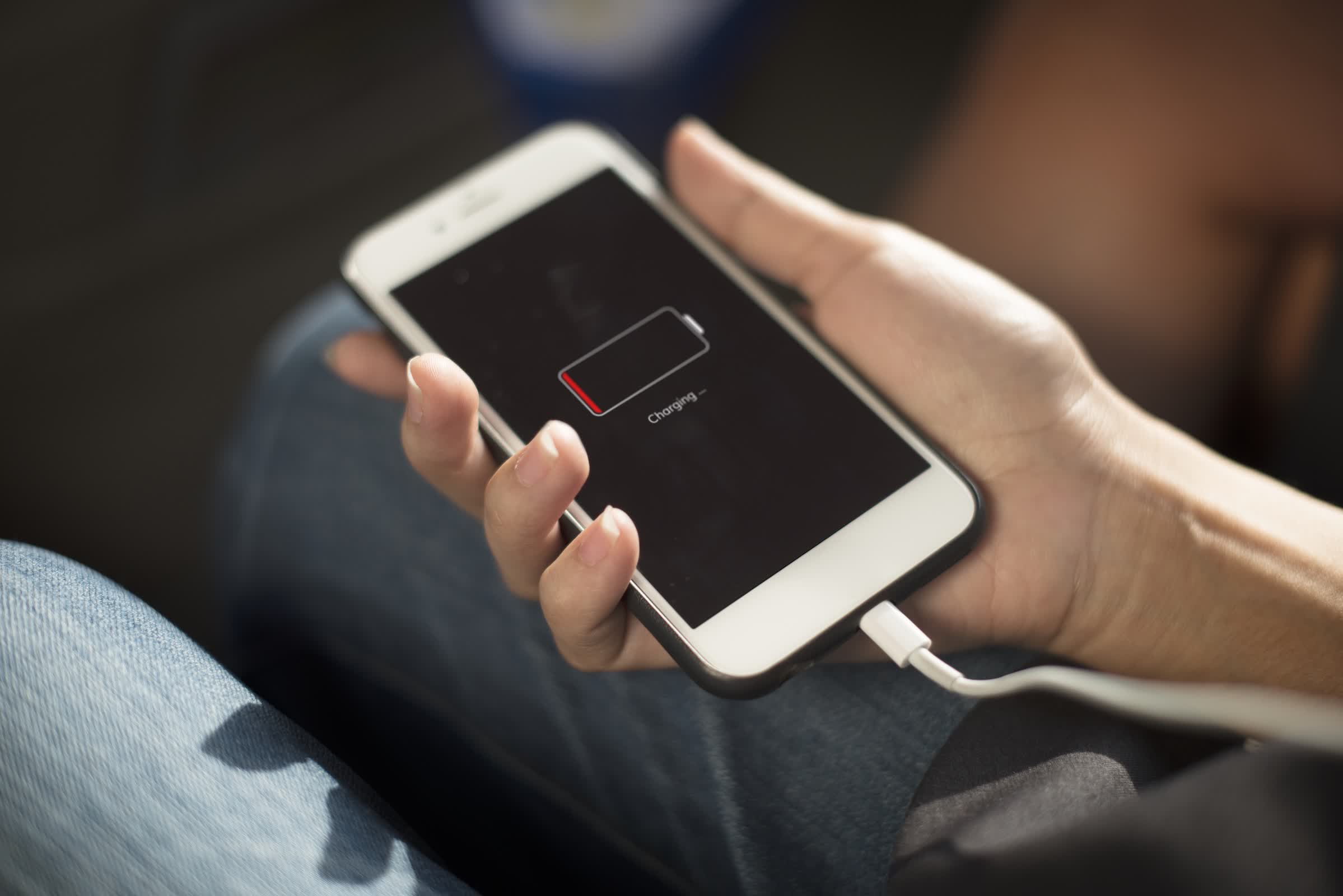
In a nutshell: Apple's iOS 27 rollout is leading some iPhone users to notice faster battery drain in the days after updating. The problem is typically temporary and stems from work the phone continues to perform in the background after the installation is finished. For most users, battery performance should stabilize after the device completes that post-update processing.
A major iOS update does more than replace system files. After iOS 27 is installed, the iPhone may rebuild search indexes, refresh apps, download system assets, and prepare data for Siri and other AI features. Those processes use power and can make the device feel warmer than normal, even when the screen is off.
The extra battery use is usually most noticeable during the first 24 to 48 hours. On some phones, it can continue for two or three days. Devices with large photo libraries or more data tied to Siri and AI features may take longer to complete the work.
Apple says the post-update activity does not harm the battery. Battery life should return to normal once the processing is complete, and it could improve as the iPhone adjusts to iOS 27.
The update may place a heavier initial load on some devices because iOS 27 includes new AI features and analytics. That can require the phone to organize and process more information than it did after earlier updates.
The work does not necessarily happen all at once. Some tasks can continue as the iPhone is idle, connected to Wi-Fi, or charging, while the system processes locally stored content and updates information used across its services. That can make the battery drain seem inconsistent from one day to the next during the first several days after installation.
Users can help by leaving their iPhone plugged in overnight with Wi-Fi enabled. This gives the device time to finish background tasks while it is charging. Updating apps through the App Store and restarting the phone once may also help.
If battery drain remains unusually high after about a week, the issue may not be related to the update. Users should check which apps are running in the background and review location settings, since an individual app or service could be using more power than expected.