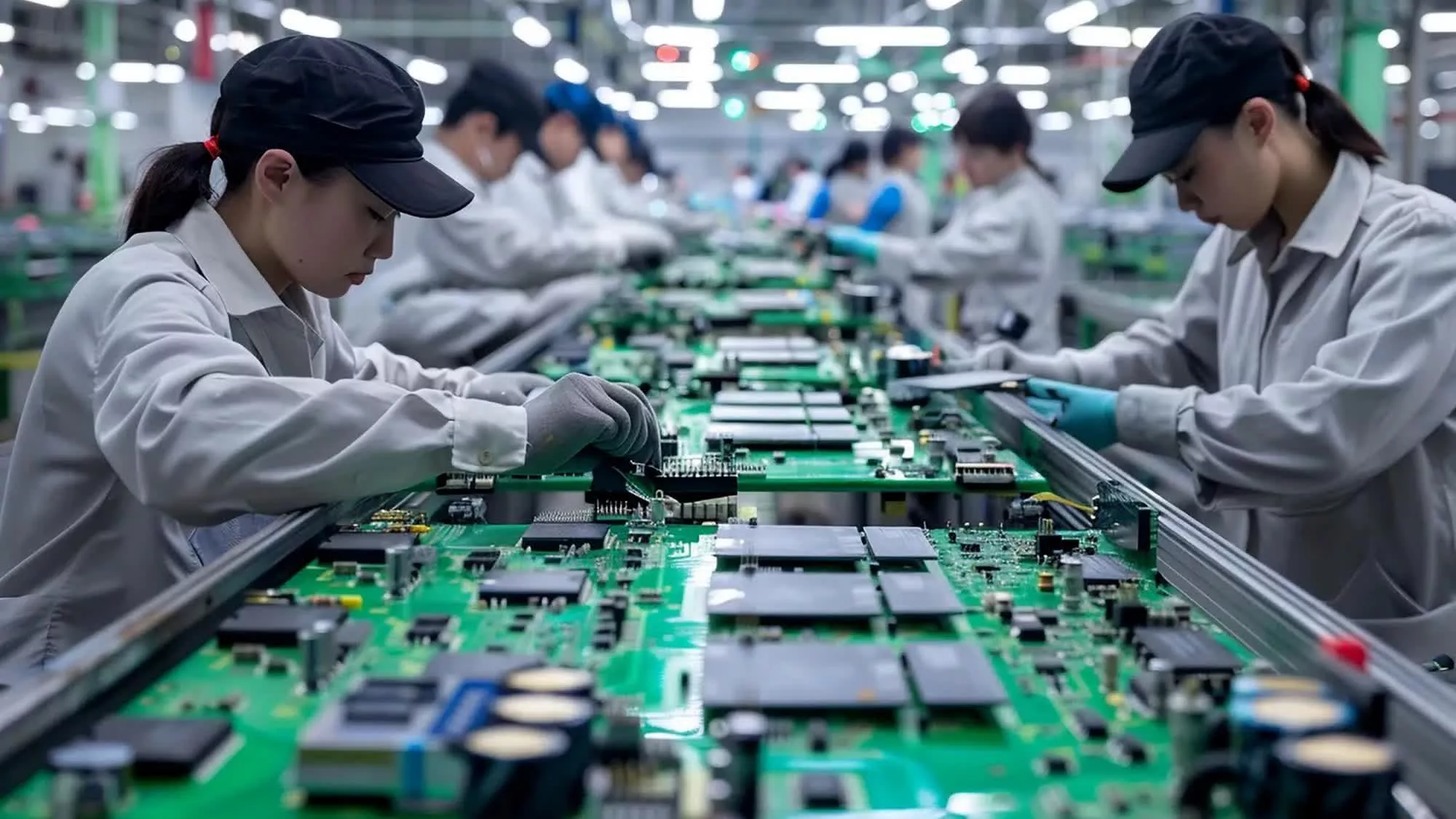
What we know so far: When US-China trade relations reached an all-time low last year, many global electronics manufacturers made a beeline for alternative low-cost manufacturing locations such as Thailand, Vietnam, and India. However, with skyrocketing component costs squeezing profit margins, some of these companies are reportedly shifting at least part of their PC manufacturing operations back to China.
According to Nikkei Asia, American PC giant HP and Taiwanese consumer electronics firm Asus have already moved some of their manufacturing operations back to China. Another leading PC OEM, Dell, is also said to be evaluating whether to follow suit and shift some of its PC production back to the Asian nation to offset rising component costs.
The renewed preference for China as a PC manufacturing hub underscores broader, systemic pressures gripping the global electronics supply chain. According to the report, PC makers expect that moving production back to China will allow them to leverage established infrastructure and benefit from lower input prices than those available in alternative destinations.
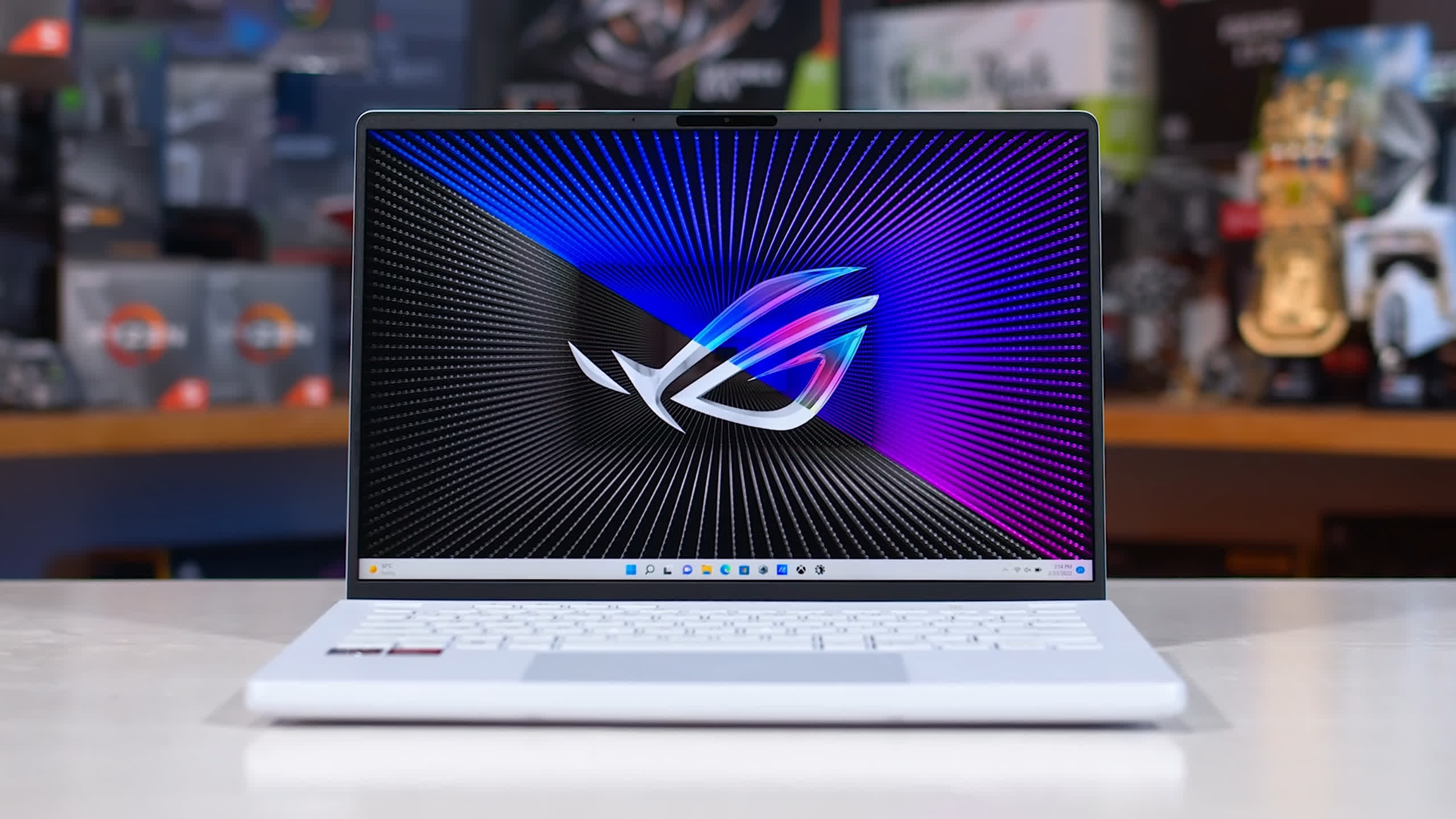
The resurgence of China as a hub for PC manufacturing also highlights the challenges faced by emerging low-cost destinations, both in terms of pricing power and infrastructural readiness. The move would also likely delay the much-hyped return of domestic electronics manufacturing to the US despite the announcement of several financial and other incentives.
Following the imposition of sanctions and tariffs on China in 2024 and 2025 by both the Biden and Trump administrations, PC makers started to look for safer destinations in countries that have a friendlier relationship with the US. While Thailand, Vietnam, and India emerged as potential alternatives, none of them have established supply chains or expertise in mass manufacturing, unlike China.
It is worth noting that PC makers are not officially discarding their stated goal of diversifying manufacturing operations beyond China. In fact, many are even buying memory chips from Chinese companies like CXMT instead of from established suppliers like Samsung, SK Hynix, and Micron, largely due to the significantly lower prices they offer.
The report noted that the shift back to China is adversely affecting the suppliers that invested in Southeast Asia. An unnamed manager at an unidentified PC component supplier told the publication that the company built multiple factories in Thailand for its PC clients, but now he doesn't know whether they will ever become profitable or instead have to be written off as a one-time loss.