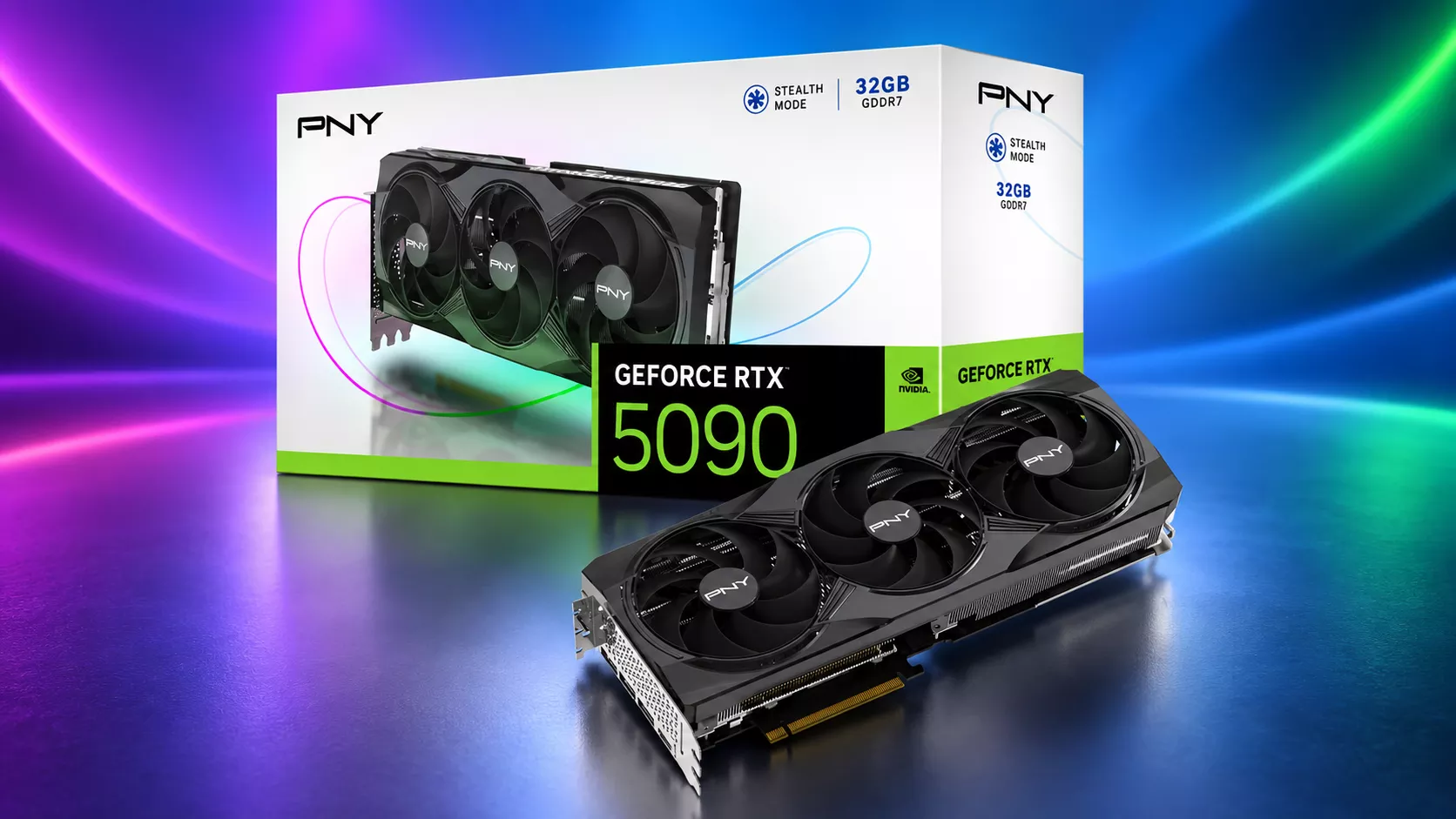
WTF?! What's worse than having an RTX 5090 valued at north of $4,000 die? Having the manufacturer refuse a warranty claim because the power cable or adapter that came with the card wasn't used. That's the unenviable situation facing one owner, who said they were using the 12V-2x6 cable that came with his Asrock PSU.
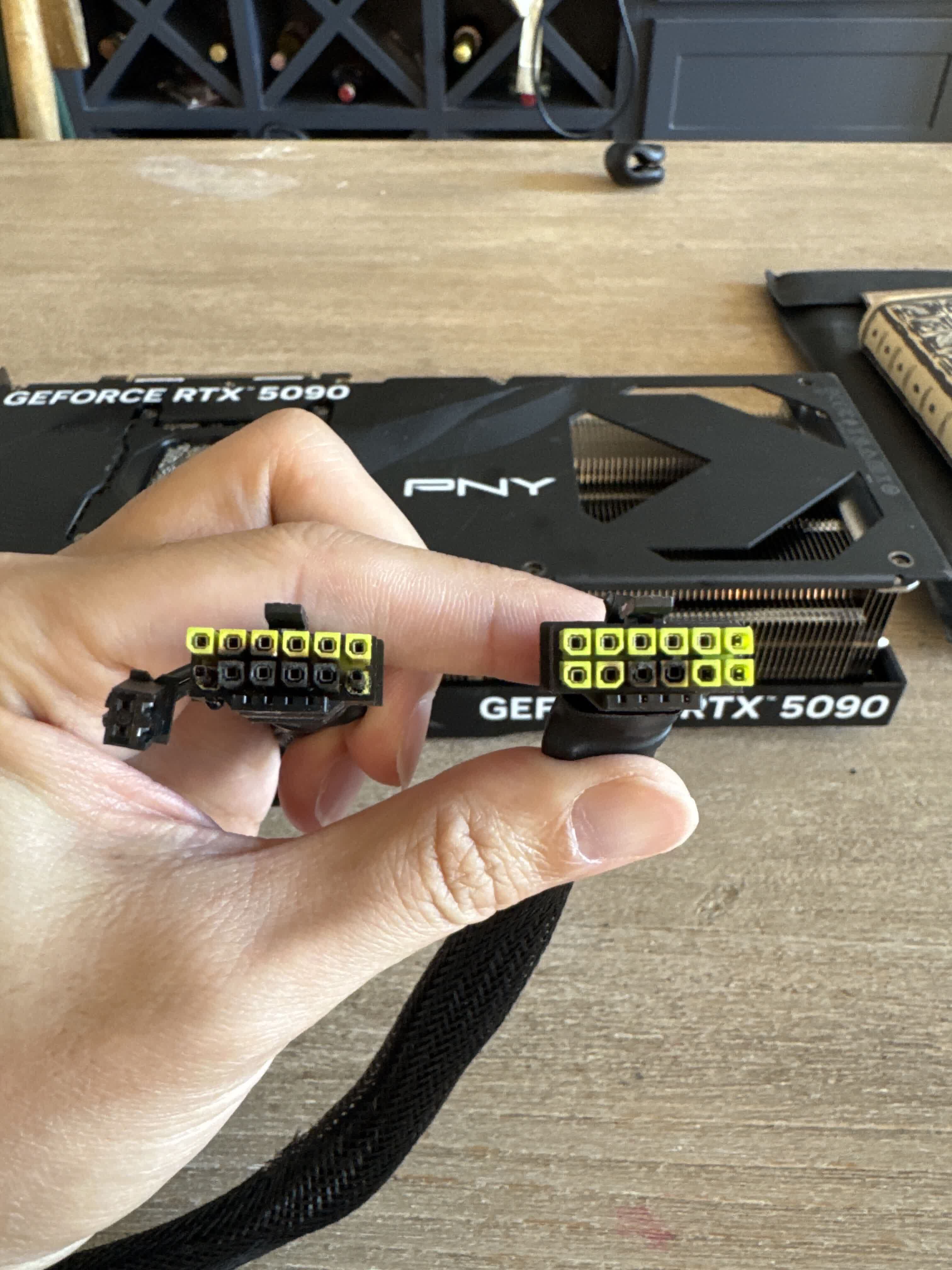
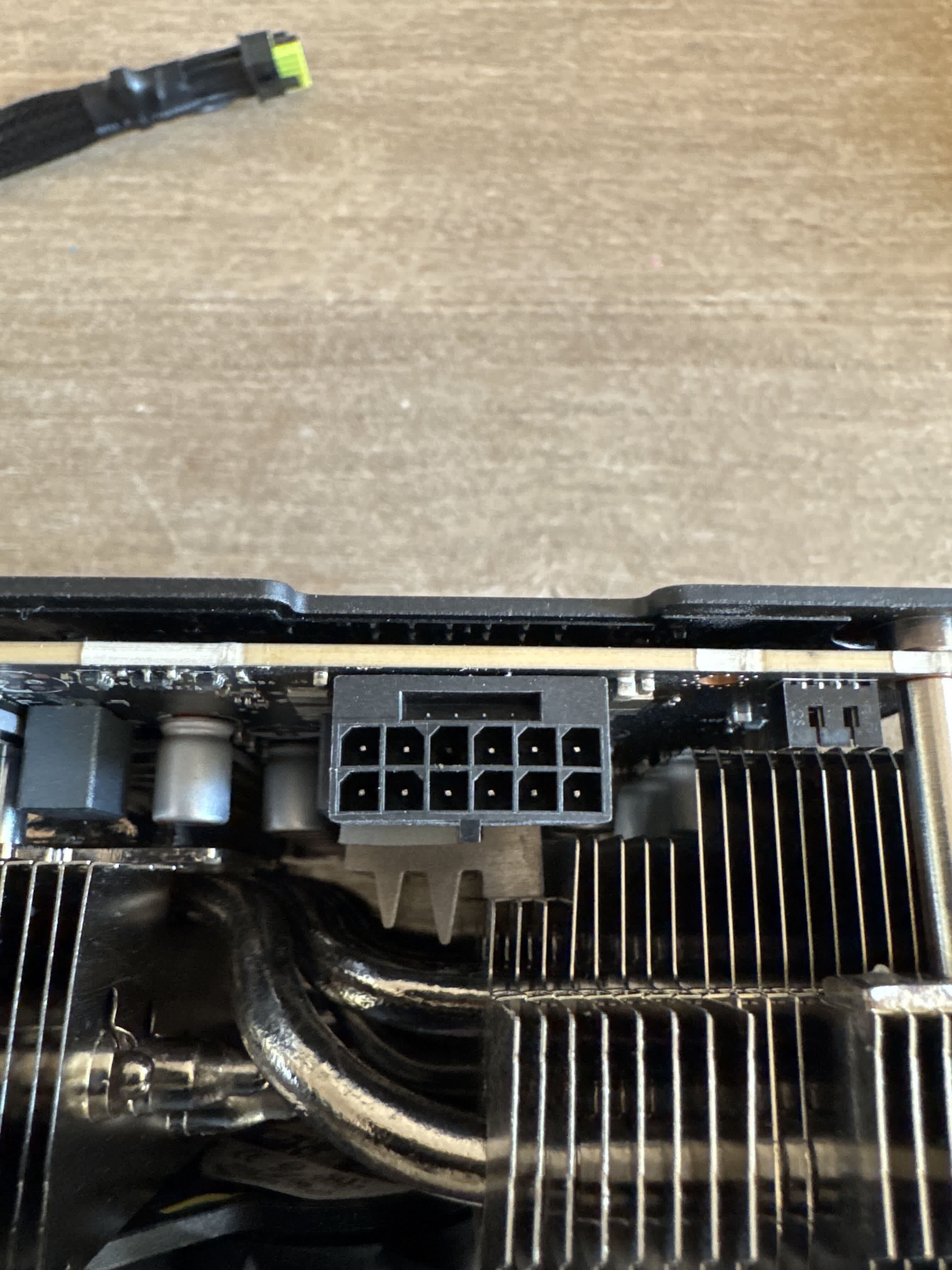
Redditor Melodic_Initial_1767 writes that their PNY RTX 5090 purchased last September died last month. Both the PSU and card ends of the 12VHPWR cable melted – something we've seen several times before – and the PC no longer recognizes the GPU.
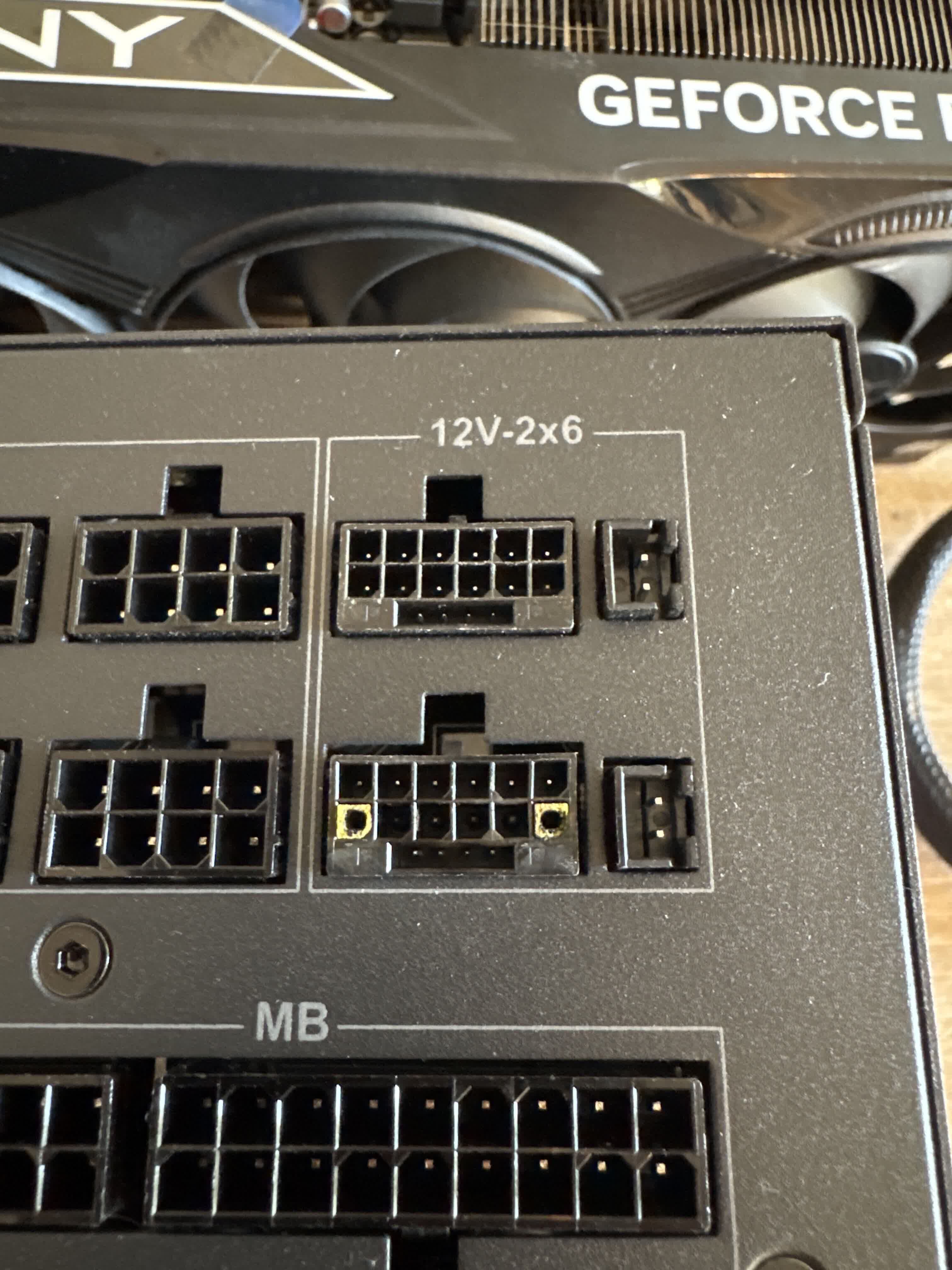
The user adds that the PSU connected to the card was a modular Asrock PG-1600G ATX 3.1. The melted 12V-2x6 cable was the one that came with this power supply.
Additionally, the RTX 5090 was idling at the time it died. It was using a stock VBIOS, wasn't overclocked, and actually had its power limit set below default specifications. No adapter or splitter was used, either.
A ticket was opened with PNY. It was denied the same day. An email from the company explained that any of its GPUs that require a 16-pin connection include a PNY-approved power cable or adapter in the box. If this specific cable isn't used, the card isn't covered under warranty.
The email adds that if a third-party power cable, adapter, or PSU cable is used and damage occurs - including melting, burning, overheating, or deformation of the connector - PNY cannot accept the product under warranty.
The final line clarifies that any damage to a card caused by non-PNY cables falls under the responsibility of the manufacturer of that cable or power supply.
What's even more jarring about all this is that none of what PNY said is in the company's latest revision of its graphics card warranty policy. While there is nothing related to a cable, adapter, connector, PSU, or 12V, it does say the card must be installed "in accordance with the installation guide provided herewith."
The user then found the guide that came with the card and confirmed there was no mention of a 16-pin cable, only 6-pin and 8-pin ones in connector diagrams. The only reference to power states: "locate an unused power connector within your system and plug it into the corresponding connector on your graphics card," which is what they did.
After asking twice what clause was being used to justify the denial, PNY replied the second time. A senior technician simply said the decision was final and closed the ticket.
It seems suspicious that PNY, and other companies, are suddenly denying warranty claims for questionable reasons as card prices reach astronomical highs. If the card in this instance cannot be repaired and needs replacing, it could cost somewhere between $4,000 and $5,000, which is comparatively cheap compared to other models. PNY might think the bad publicity is a better option than the financial hit.