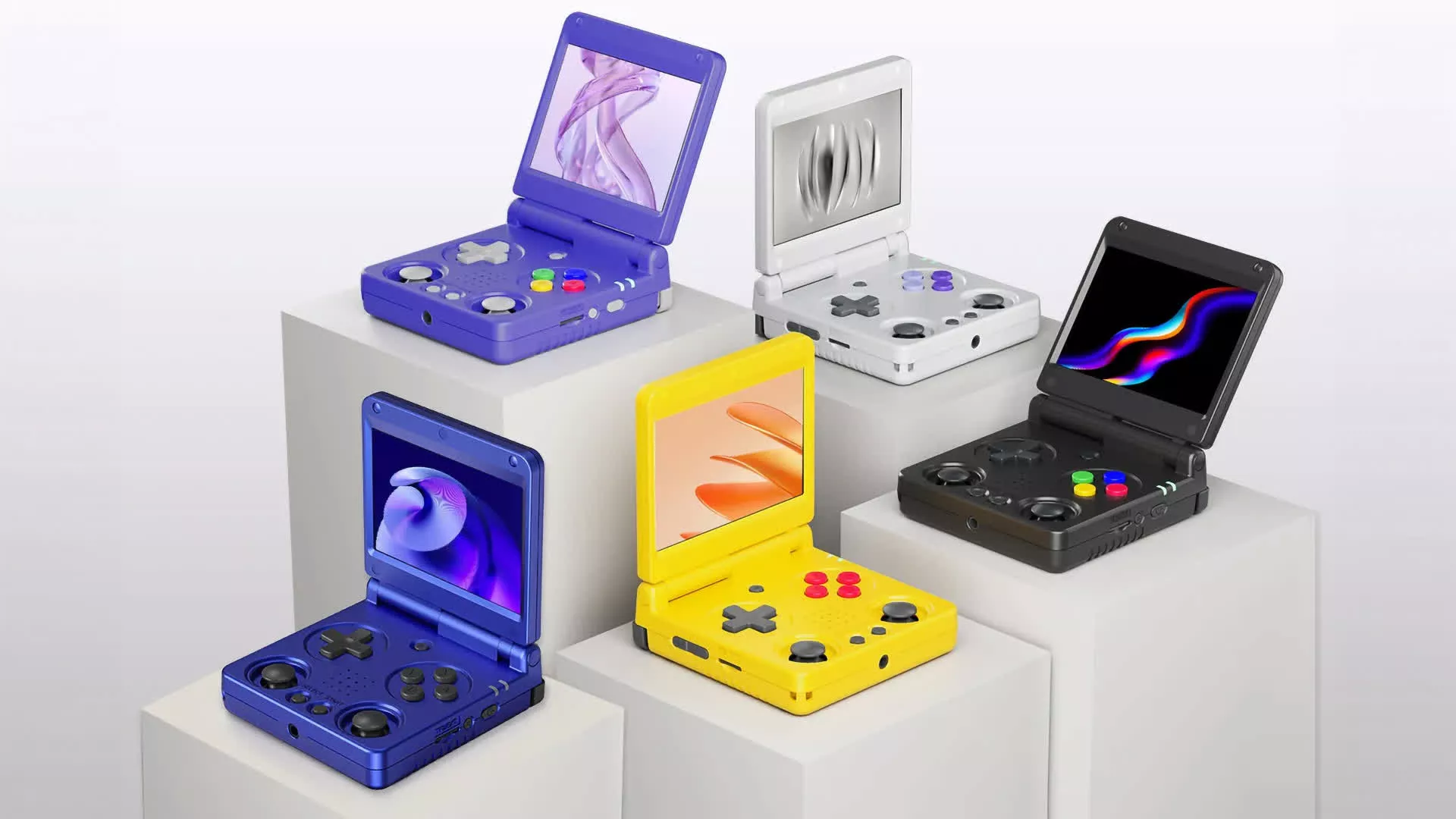
A Pirate's Life: Every year, the Entertainment Software Association urges US regulators to address specific issues that the video game industry claims to be facing. This year's list includes some truly interesting targets, starting with Chinese-made handheld gaming devices that come with large catalogs of pirated game ROMs.
The Entertainment Software Association (ESA) recently submitted its latest recommendations to the Office of the United States Trade Representative (USTR) regarding piracy. The submission identifies major offenders accused of infringing the intellectual property rights of the US entertainment industry, focusing on people and companies allegedly involved in large-scale piracy.
The ESA's recommendations target so-called "superfakes" sold by Chinese handheld gaming device manufacturers. These plug-and-play consoles resemble legitimate, mass-produced consumer electronics. However, their main commercial appeal lies in their ability to run hundreds or even thousands of pirated video games stored directly in their internal memory.
Superfake handhelds represent a significant copyright infringement concern, but they could also pose security risks to US consumers and businesses. According to the ESA's comments to the USTR, these devices may contain insecure or flawed firmware and other potentially dangerous software components. Furthermore, they could "purposely" include malicious software developed by cybercrime groups, terrorist organizations, or even state-sponsored actors.
One of the major players in the superfake handheld market is Anbernic. The ESA told the USTR that the Chinese brand has been operating for around nine years, releasing eight to 10 new gaming devices annually. These devices typically cost between $40 and $200, while the company's official website attracts millions of visits every month. The ESA also cited an enforcement operation by Italy's Guardia di Finanza, which seized around 12,000 Anbernic devices containing more than 47 million copies of pirated video games.
The ESA argued that Anbernic's "harm extends beyond substitution for authorized game sales. Anbernic normalizes hardware-based piracy by delivering illicit catalogues through a polished consumer product, meeting the definition of a superfake as defined above."

Recommendations submitted to the USTR concerning Notorious Markets do not necessarily lead to immediate enforcement action against the targeted devices or products. However, a potential US crackdown on Anbernic could trigger a broader wave of enforcement targeting other Chinese handheld gaming devices accused of similar practices.
Elsewhere in its submission, the ESA is also asking the USTR to designate the notorious Denuvo cracker known as Voices38 as a Notorious Market. The mysterious developer, or group of developers, has undermined Denuvo's reputation among game studios by repeatedly cracking the anti-piracy technology. The ESA argues that the unnamed individual or group should be considered a "notorious market" because of its persistent release of games cracked to bypass Denuvo's DRM.