
In context: Graphics cards with more than 16GB of memory have only gotten more expensive this year, so it's no surprise that modders keep trying things like doubling the RTX 2080 Ti's VRAM to 22GB. A fresh round of benchmarks now shows what the upgrade actually buys on an 8-year-old GPU. The results suggest it mostly comes down to whether a workload was running out of memory in the first place.
When PC Games Hardware tested a 22GB card lent by a reader, it went looking for trouble on purpose. The outlet picked nine of the most memory-hungry games it knows and maxed them out. It also acknowledges that nearly every game it left out runs fine on the stock 11GB, which is good news for anyone still running a regular 2080 Ti.
Even in that hand-picked lineup, 1440p with DLSS Quality barely separated the two cards. Only Flight Simulator 2024 and Spider-Man 2 pushed past 11GB, since both stream huge open worlds, from Flight Simulator's globe-spanning scenery to Spider-Man 2's New York. In those two, the stock card ran about 20% slower and stuttered as it shuffled data into system RAM.
The gap only blew open once the outlet switched to 4K with DLSS Performance and FSR frame generation stacked on top. Flight Simulator 2024 jumped from 30 fps to 52 fps, while Indiana Jones and the Great Circle crashed to the desktop every time on the 11GB card.
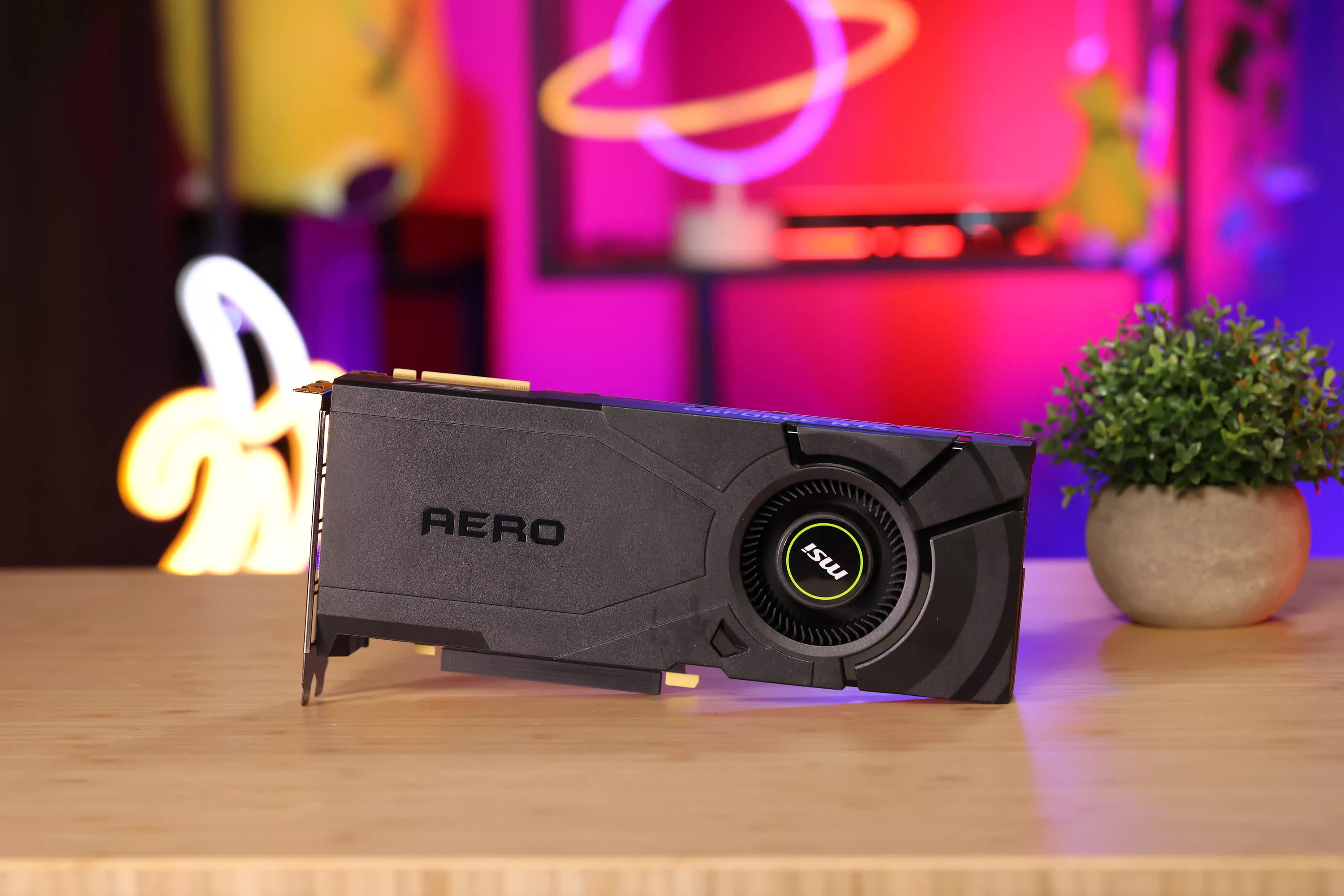
Still, those are demanding settings for a card this old, and not every game ran smoothly even with the extra memory. So for gaming, the extra VRAM mostly decides whether a punishing setup runs at all, rather than making everyday settings any faster.
The outlet's AI image test pointed the same way at first. In its toughest scene, rewriting a prompt with a language model and rendering the first image took the 22GB card more than 200 seconds less than a factory-overclocked 11GB card. An RTX 5070 Ti with 16GB, however, finished the same job in about 85 seconds.
Part of the reason is that the newer card supports the compact FP8 format in hardware. Turing has to fall back on FP16, so the same model takes up far more memory. In practice, a newer card's 16GB can stretch further than an older card's 22GB.
That leaves the mod in a fairly narrow spot. Pre-modded cards from a Hong Kong eBay store have been selling for around $500. For that, buyers get an old card with a very loud blower cooler and a stranger's solder job. The outlet warned that sloppy soldering can cause faults that only show up weeks later.
The math looks kinder for people who already own a 2080 Ti and run workloads that simply need more room. A repair shop in Japan, for instance, will double an existing card's memory for about $282. That option may only get more tempting, too, since Zotac parent PC Partner expects entry-level graphics cards to get even tighter on supply as memory prices keep climbing.