
Graphics card prices just keep rising, making the situation worse for PC gamers with every passing month. After reporting a 7% month-over-month price increase in September, we really hoped we'd have something positive to say closer to the holiday season. Even a period of price stagnation would have been nice. But no, unfortunately GPU prices have gone up once again, and we're going to explore the full impact in this latest update.
We're also going to get a good look at what's happening in the high-end GPU market amid reports of severely "constrained" RTX 5090 supply. What's the current going rate for a GeForce RTX 5090? Before we get to that data, have a guess at how bad it is and see whether you're right... With that going on, the RTX 5080 has effectively become Nvidia's top gaming option, and that's had some unfortunate impacts on pricing as well.
Similar to our previous GPU pricing updates, we have gathered data from 10 countries. The main data points are October and September prices, so we can measure the month-over-month increase, along with data from February 2026 to show how prices have risen throughout 2026.
As a reminder, the pricing data we're using is not an average for a specific GPU model. It represents the single lowest price for an available, in-stock model within each region. We use price comparison websites for each country, find the cheapest model, verify that it's actually available to purchase at that price, and include it in our charts.
Often, these prices will be for base-model cards and might only be available at one retailer. You'll likely pay more than what we're showing if you want, say, an Asus ROG Strix model instead of a Gigabyte Windforce or PNY OC. With that out of the way, let's get into the numbers.
Entry-Level GeForce Prices Keep Climbing
GeForce RTX 5050 + RTX 5060
Starting with entry-level graphics cards, the GeForce RTX 5050 has gone up significantly in the US. These cards started at $310 last month but now start at $420, a massive 35% increase. This is a bit of an outlier, though. In most other countries, prices for this rather terrible GPU have only gone up a little, keeping inflation more in check.
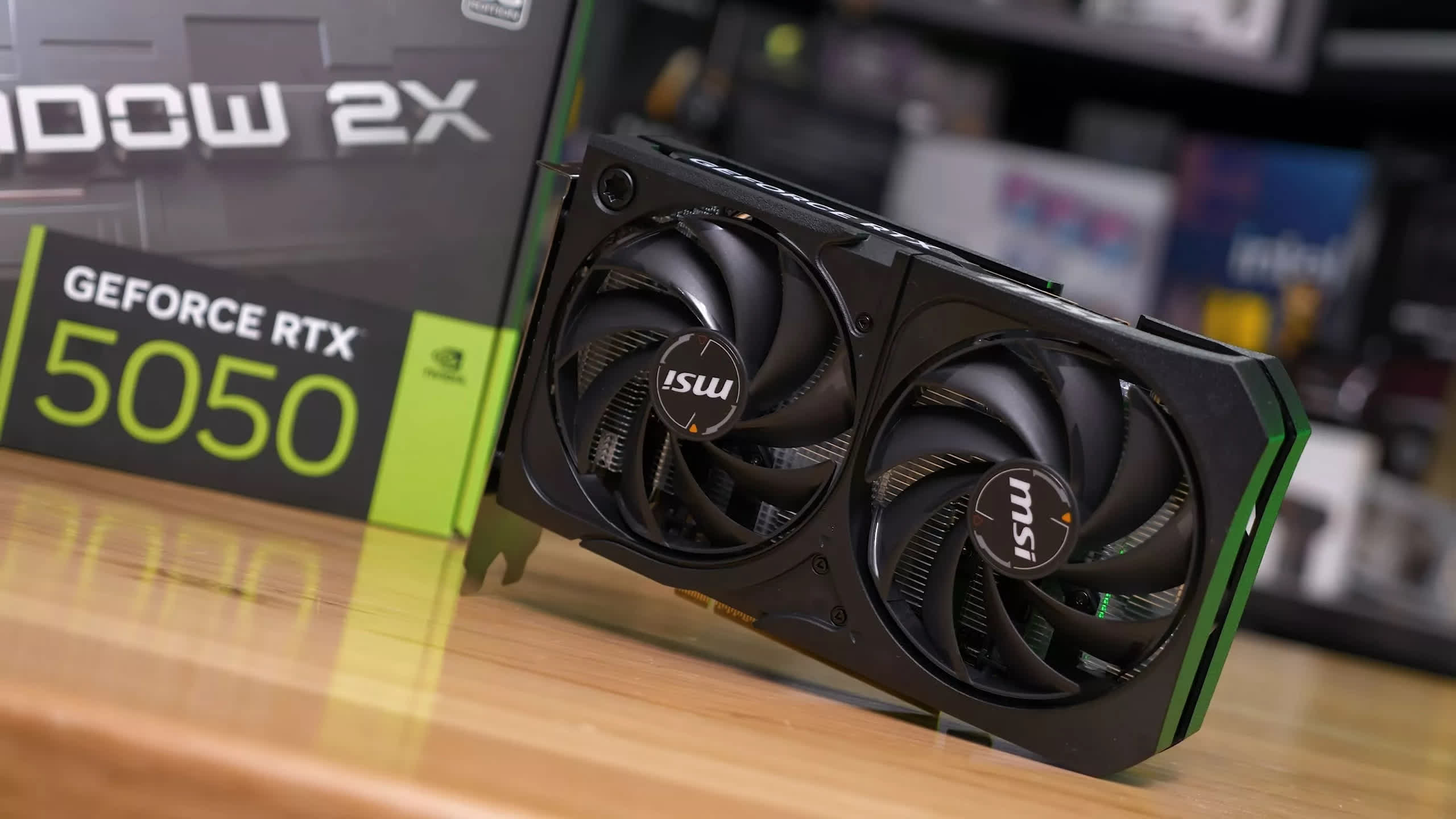
For example, on average across the 10 countries, the RTX 5050 sits 41% above its global MSRP, but the US price is 68% above MSRP. Sad times for those in the US.
Nvidia GeForce RTX 5050
| USA | Australia | Germany | UK | Canada | India | Philippines | Brazil | Poland | Netherlands | |
|---|---|---|---|---|---|---|---|---|---|---|
| Feb 2026 | $260 | $365 | 280 € | £230 | $380 | ₹30,700 | ₱16,700 | R$1,660 | 1,150 zł | €270 |
| Sep 2026 | $310 | $450 | 360 € | £300 | $500 | ₹45,400 | ₱21,300 | R$2,200 | 1,400 zł | €360 |
| Oct 2026 | $420 | $450 | 410 € | £320 | $560 | ₹44,000 | ₱21,000 | R$2,300 | 1,700 zł | €370 |
| Change | 35% | 0% | 14% | 7% | 12% | -3% | -1% | 5% | 21% | 3% |
As a reminder, this price inflation is calculated by taking the launch MSRP in dollars and converting it into a local MSRP for each country, factoring in currency conversion and tax. We then compare the current retail price to this local MSRP. This gives us a fairer look at how today's prices compare to the advertised launch price. Anyway, RTX 5050s are now 9% more expensive than last month, or 6% more if we exclude the US outlier.
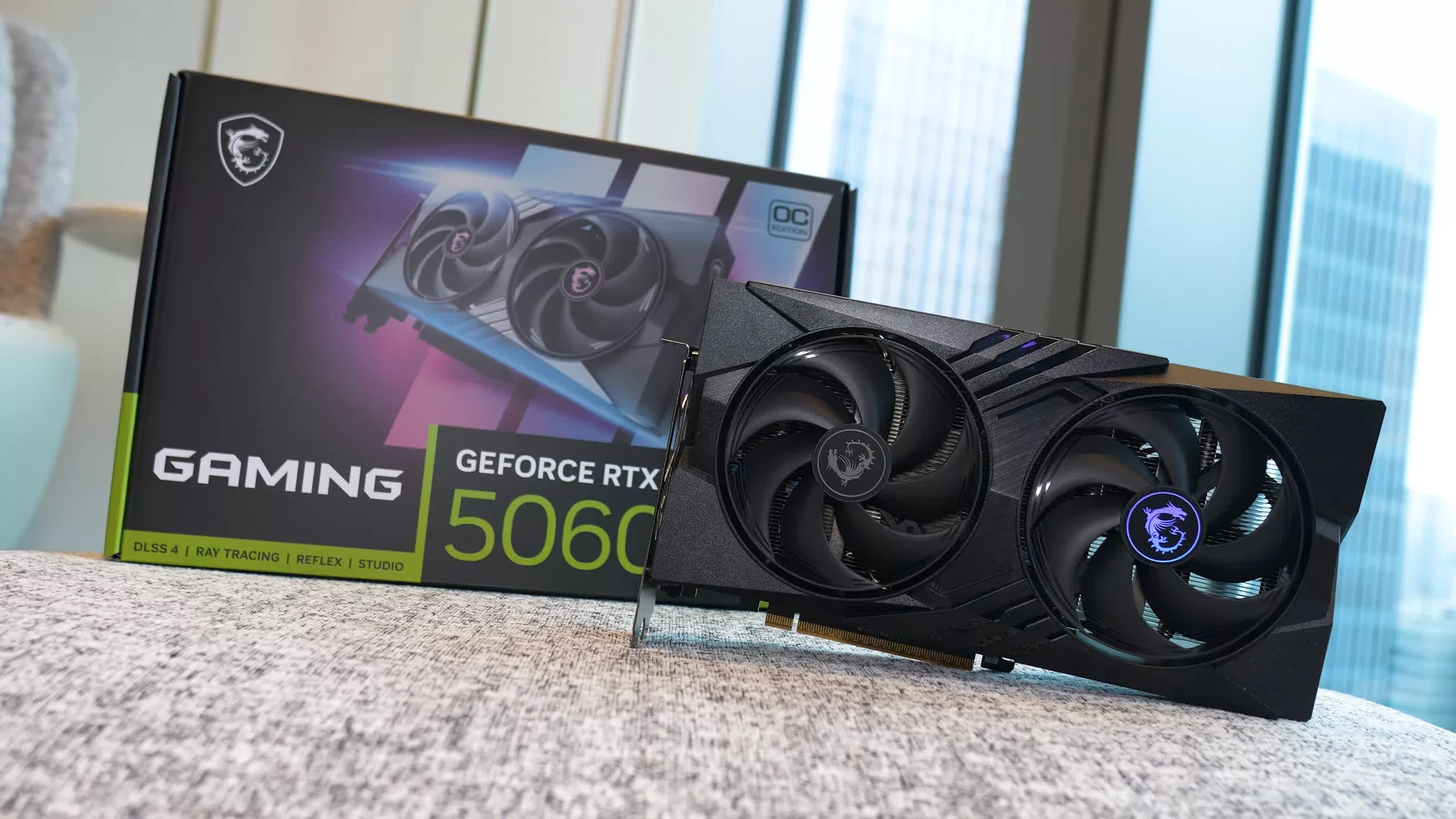
The RTX 5060 has also gone up in price by 6% on average across these 10 countries, which isn't ideal for an entry-level GPU, though some regions like the US and Australia saw no price movement at all.
Nvidia GeForce RTX 5060
| USA | Australia | Germany | UK | Canada | India | Philippines | Brazil | Poland | Netherlands | |
|---|---|---|---|---|---|---|---|---|---|---|
| Feb 2026 | $300 | $520 | 310 € | £290 | $450 | ₹38,700 | ₱19,600 | R$2,300 | 1,350 zł | €320 |
| Sep 2026 | $450 | $580 | 420 € | £365 | $610 | ₹51,000 | ₱24,600 | R$2,700 | 1,900 zł | €425 |
| Oct 2026 | $450 | $580 | 475 € | £390 | $640 | ₹51,000 | ₱26,800 | R$2,900 | 2,100 zł | €450 |
| Change | 0% | 0% | 13% | 7% | 5% | 0% | 9% | 7% | 11% | 6% |
These cards are currently 40% above MSRP globally, so what should be a $300 GPU is now more like $420. That's more than a full GPU tier of price inflation, given that the MSRP of the RTX 5060 Ti 8GB is supposed to be $380.
The RTX 5060 Ti Is Getting Ridiculously Expensive
GeForce RTX 5060 Ti: 8GB + 16GB
Speaking of the RTX 5060 Ti 8GB, we're seeing a 7% month-over-month increase for this GPU, with some rather unfortunate outliers, including an 18% increase in Canada.
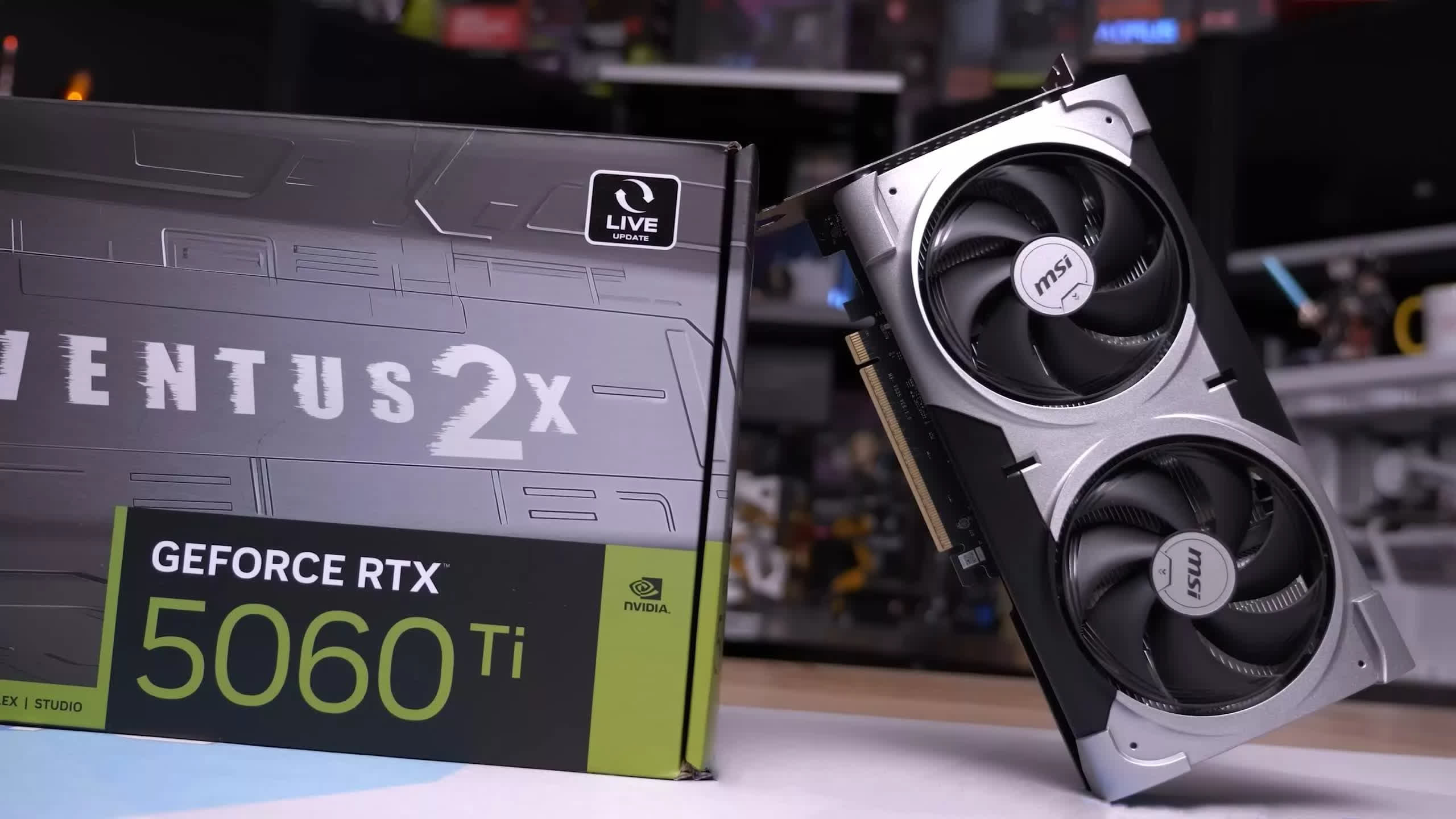
While it's not good to see a price hike like this within a single month, the 5060 Ti 8GB actually has the least amount of price inflation of any GeForce GPU, at 24% on average. That means this $380 GPU is now more like $470, a smaller dollar increase than what we're seeing with the RTX 5060.
Nvidia GeForce RTX 5060 Ti 8GB
| USA | Australia | Germany | UK | Canada | India | Philippines | Brazil | Poland | Netherlands | |
|---|---|---|---|---|---|---|---|---|---|---|
| Feb 2026 | $350 | $620 | 400 € | £350 | $570 | ₹39,800 | ₱24,400 | R$2,800 | 1,700 zł | €390 |
| Sep 2026 | $500 | $700 | 495 € | £400 | $610 | ₹54,500 | ₱28,500 | R$3,000 | 2,000 zł | €480 |
| Oct 2026 | $530 | $690 | 535 € | £440 | $720 | ₹56,500 | ₱28,500 | R$3,100 | 2,300 zł | €500 |
| Change | 6% | -1% | 8% | 10% | 18% | 4% | 0% | 3% | 15% | 4% |
What's happened to the RTX 5060 Ti 16GB is much worse, though the month-over-month price increase is identical to the 8GB model at 7%. However, because the starting price for the 16GB card is higher, the actual dollar amount of that increase is also higher.
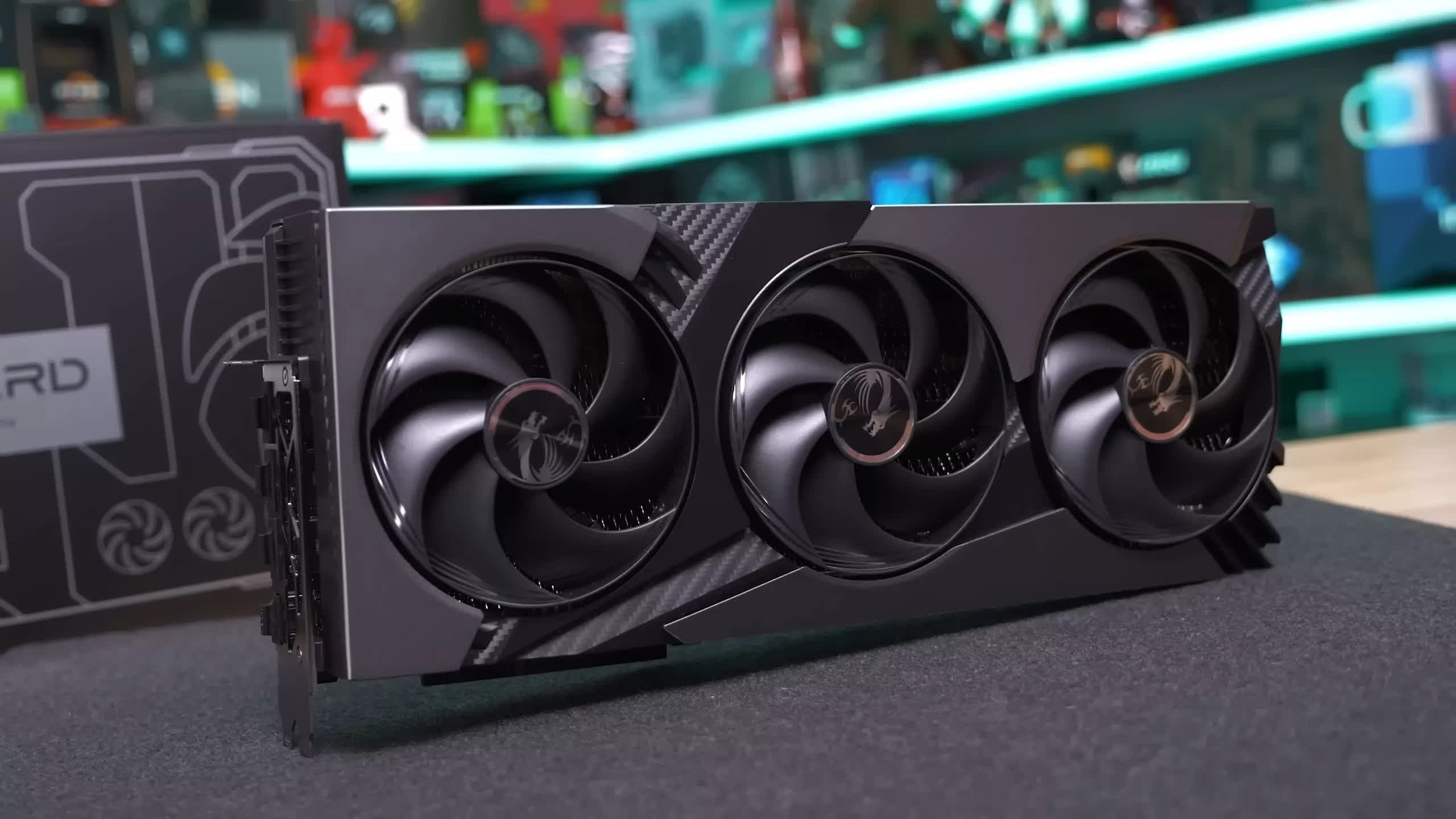
Average inflation for this model puts it 69% above MSRP. So what should be a $430 GPU now costs the equivalent of $727 across the 10 countries we're tracking. That's essentially a $300 increase for the 16GB model, compared to less than $100 for the 8GB model.
Nvidia GeForce RTX 5060 Ti 16GB
| USA | Australia | Germany | UK | Canada | India | Philippines | Brazil | Poland | Netherlands | |
|---|---|---|---|---|---|---|---|---|---|---|
| Feb 2026 | $500 | $750 | 540 € | £450 | $700 | ₹65,500 | ₱28,800 | R$3,700 | 2,300 zł | €600 |
| Sep 2026 | $780 | $1,000 | 700 € | £630 | $1,080 | ₹85,000 | ₱47,350 | R$4,400 | 2,900 zł | €735 |
| Oct 2026 | $790 | $1,130 | 770 € | £640 | $1,150 | ₹92,800 | ₱48,750 | R$4,500 | 3,460 zł | €770 |
| Change | 1% | 13% | 10% | 2% | 6% | 9% | 3% | 2% | 19% | 5% |
The RTX 5060 Ti 16GB has also seen the largest percentage price increase throughout 2026 of any GeForce gaming GPU. It's 47% more expensive today than it was in February, and that February price was already not very good, at $500 in the United States.
In some positive news, we guess, several regions only saw very small month-over-month increases, including the US, UK, Philippines, and Brazil.
RTX 5070 Prices Keep Climbing
GeForce RTX 5070 + RTX 5070 Ti
Next we get to the RTX 5070, which is pretty much the same story as the other cards. On average, there's been an 8% month-over-month price increase, which is relatively consistent across each region, with the Netherlands being the outlier here.
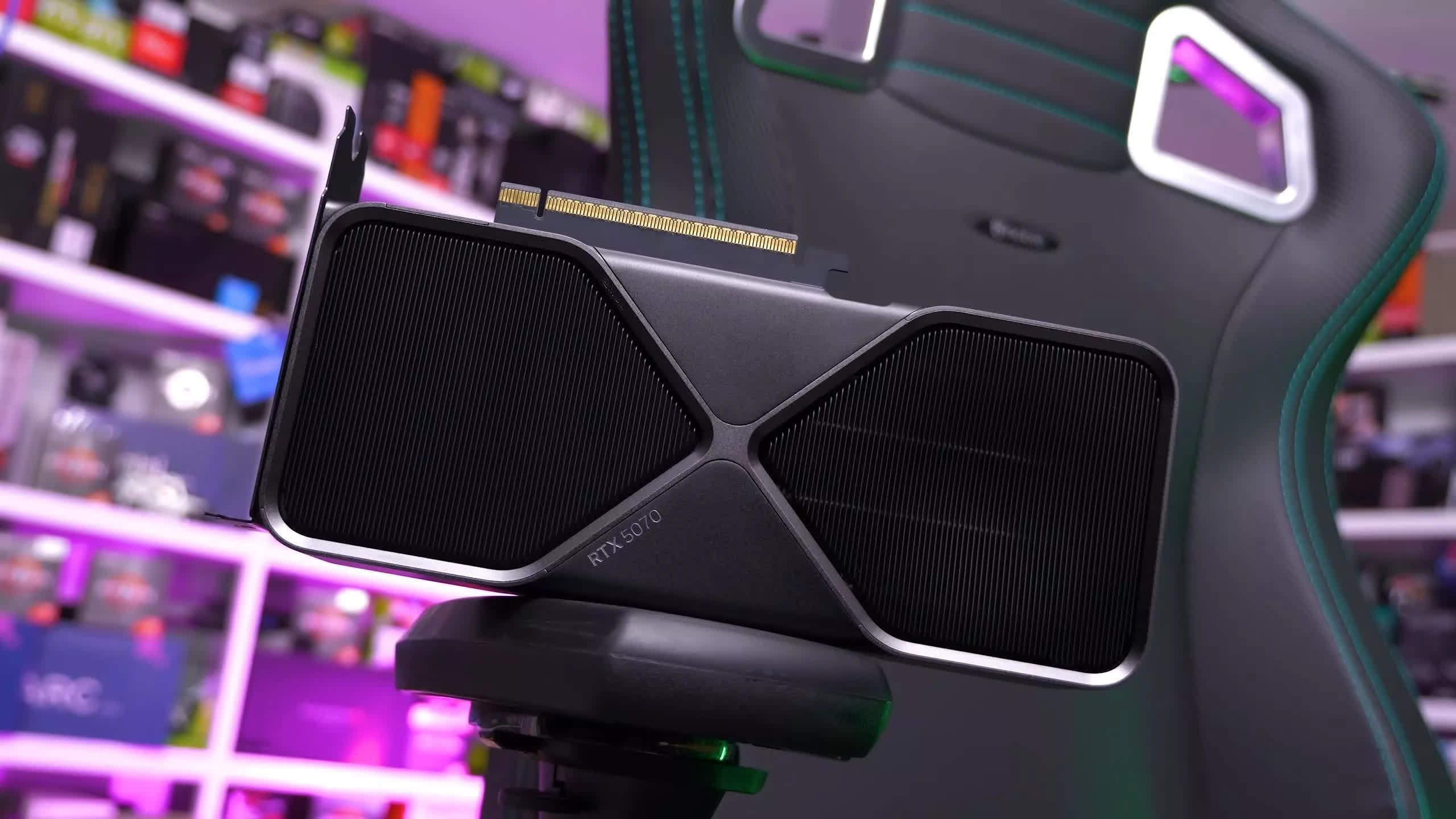
In terms of price inflation, this model is now 48% above MSRP, taking a $550 GPU up to $814. That's a smaller raw dollar increase than the RTX 5060 Ti 16GB, likely owing in part to its smaller 12GB VRAM capacity. Almost all of this price increase has occurred within 2026, as the card is now 40% more expensive than it was in February.
Nvidia GeForce RTX 5070
| USA | Australia | Germany | UK | Canada | India | Philippines | Brazil | Poland | Netherlands | |
|---|---|---|---|---|---|---|---|---|---|---|
| Feb 2026 | $550 | $930 | 640 € | £510 | $900 | ₹70,900 | ₱39,300 | R$4,200 | 2,650 zł | €640 |
| Sep 2026 | $840 | $1,200 | 800 € | £700 | $1,140 | ₹89,000 | ₱49,500 | R$5,000 | 3,600 zł | €800 |
| Oct 2026 | $900 | $1,300 | 855 € | £740 | $1,250 | ₹94,000 | ₱49,500 | R$5,500 | 3,850 zł | €930 |
| Change | 7% | 8% | 7% | 6% | 10% | 6% | 0% | 10% | 7% | 16% |
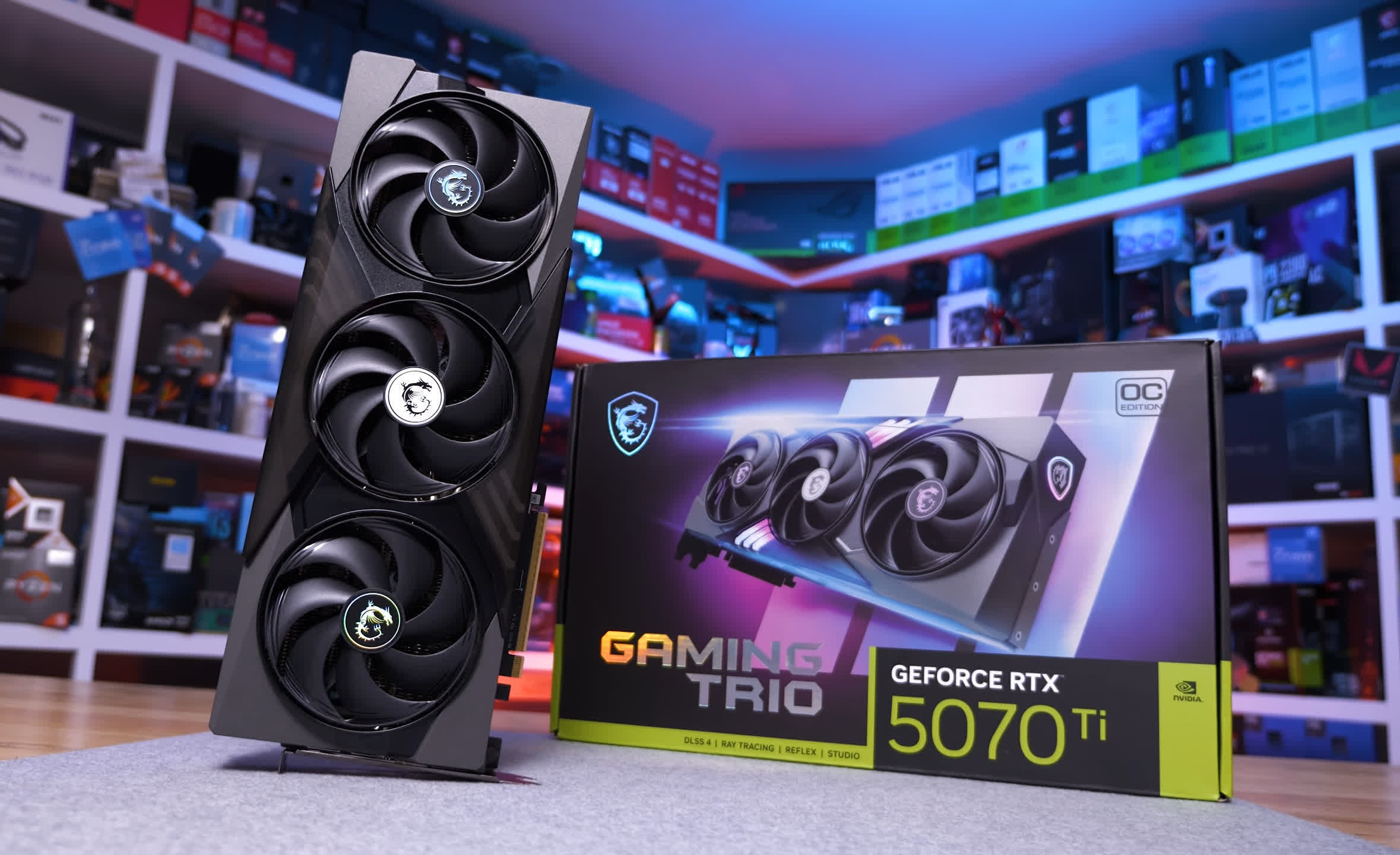
The RTX 5070 Ti has suffered a similar fate, up 8% month over month, with a relatively consistent rise across each region. This GPU now costs 60% more than MSRP, which is extremely high for a card that already began its life at $750.
Nvidia GeForce RTX 5070 Ti
| USA | Australia | Germany | UK | Canada | India | Philippines | Brazil | Poland | Netherlands | |
|---|---|---|---|---|---|---|---|---|---|---|
| Feb 2026 | $1,000 | $1,400 | 1,000 € | £800 | $1,280 | ₹109,000 | ₱61,000 | R$7,100 | 4,100 zł | €980 |
| Sep 2026 | $1,120 | $1,700 | 1,200 € | £1,000 | $1,560 | ₹143,500 | ₱73,300 | R$8,600 | 5,000 zł | €1,230 |
| Oct 2026 | $1,250 | $1,800 | 1,300 € | £1,130 | $1,680 | ₹150,000 | ₱79,900 | R$8,600 | 5,400 zł | €1,320 |
| Change | 12% | 6% | 8% | 13% | 8% | 5% | 9% | 0% | 8% | 7% |
That puts the raw price increase at $450 on average, which is much higher than the RTX 5060 Ti 16GB, indicating that not all of these price hikes can be attributed to the rising cost of memory. Both models have the same 16GB of GDDR7, running at the same speed, yet the 5070 Ti has seen an additional $150 price increase.
High-End GeForce Pricing Is Absurd
GeForce RTX 5090 + RTX 5080
Now we get to the really bad stuff: the high end of the market. Reports that the RTX 5090 has effectively been discontinued, despite Nvidia's denials, have coincided with skyrocketing prices for the remaining stock. This GPU is now 32% more expensive than last month, and to be clear, it was already selling for well over $6,000 in the US last month, so that's a very significant price hike.
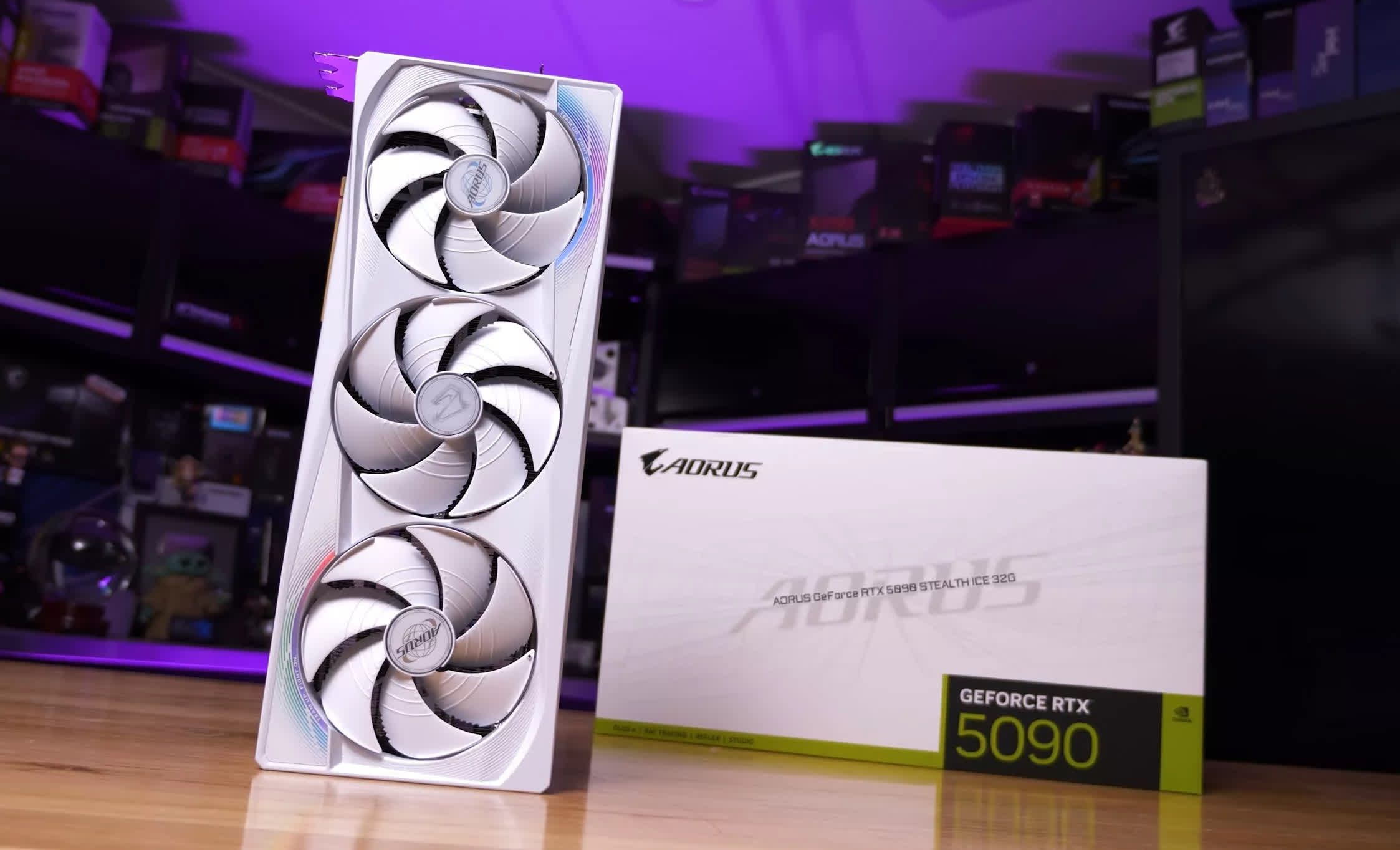
This makes the card 262% more expensive than it should be, at an average normalized price of $7,240. And yes, the United States is getting stung especially badly here, with 370% price inflation and a minimum cost of $9,400.
Nvidia GeForce RTX 5090
| USA | Australia | Germany | UK | Canada | India | Philippines | Brazil | Poland | Netherlands | |
|---|---|---|---|---|---|---|---|---|---|---|
| Feb 2026 | $3,500 | $5,600 | 3,400 € | £2,700 | $4,650 | ₹403,000 | ₱190,000 | R$23,400 | 15,000 zł | €3,200 |
| Sep 2026 | $6,890 | $8,600 | 5,640 € | £4,300 | $8,120 | ₹625,500 | ₱378,500 | R$33,000 | 29,000 zł | €6,000 |
| Oct 2026 | $9,400 | $12,000 | 8,000 € | £5,600 | $8,340 | ₹840,000 | ₱540,000 | R$38,000 | 38,000 zł | €8,600 |
| Change | 36% | 40% | 42% | 30% | 3% | 34% | 43% | 15% | 31% | 43% |
It's not so bad here in Australia. This GPU should cost around $3,100 in a normal market, but currently costs $12,000, which is an increase of nearly 290%. Not exactly much better.
While that is a brutal price hike for Nvidia's fastest GeForce model, quite a lot of the increase happened prior to 2026, as the card was already sitting at $3,500 in February. This is why we believe the RTX 5090 was already effectively discontinued for gamers months ago, at least in terms of practical availability and pricing.
Unfortunately, the RTX 5090's effective disappearance from the gaming market has had price ramifications for the RTX 5080, which has risen to fill the gap.
Nvidia GeForce RTX 5080
| USA | Australia | Germany | UK | Canada | India | Philippines | Brazil | Poland | Netherlands | |
|---|---|---|---|---|---|---|---|---|---|---|
| Feb 2026 | $1,400 | $1,900 | 1,250 € | £1,080 | $1,890 | ₹145,000 | ₱79,700 | R$10,300 | 5,500 zł | €1,300 |
| Sep 2026 | $1,580 | $2,200 | 1,500 € | £1,310 | $2,230 | ₹165,500 | ₱104,400 | R$11,500 | 6,500 zł | €1,500 |
| Oct 2026 | $2,200 | $2,700 | 2,100 € | £1,420 | $2,500 | ₹210,000 | ₱114,200 | R$11,500 | 8,800 zł | €1,850 |
| Change | 39% | 23% | 40% | 8% | 12% | 27% | 9% | 0% | 35% | 23% |
This GPU is up 22% month over month, and in some regions, retailers have run out of stock entirely. Newegg had no RTX 5080s available directly from the retailer at the time of data collection, for example, leaving only expensive third-party listings. That's partially why the RTX 5080 has become 39% more expensive in the US within a single month.
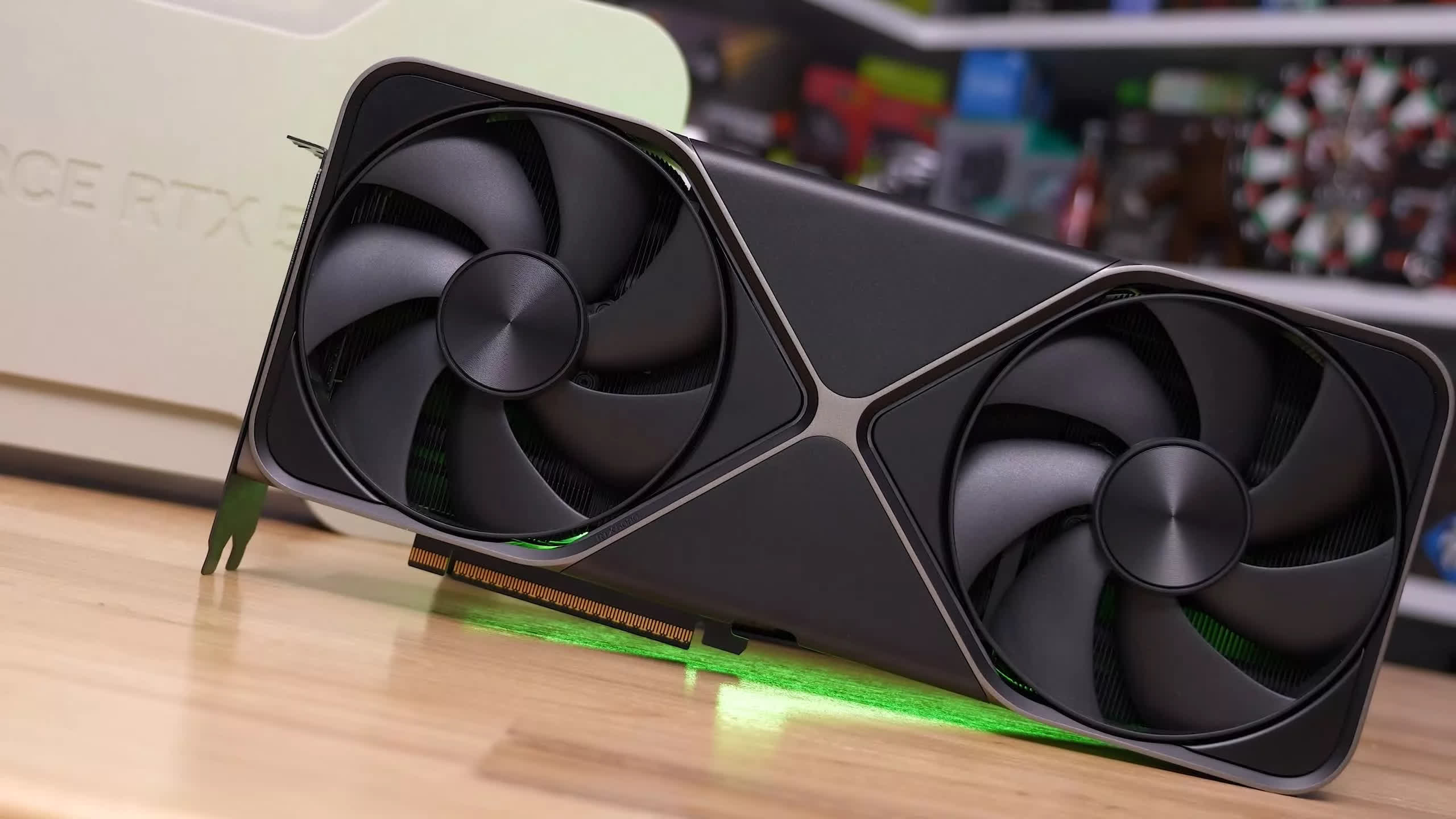
This GPU is now 77% above MSRP on average, representing a $770 increase over launch pricing. This is not due to memory price increases, plain and simple. The 16GB of GDDR7 on this card has not become $700 more expensive. Other market factors are clearly at play here, potentially including price gouging, demand for AI workloads, and the lack of RTX 5090 availability.
Is a 24GB RTX 5080 Coming in 2027?
Another significant factor could be what's happening behind the scenes with this model. Rumors suggest Nvidia is planning to replace the RTX 5080 16GB with a new 24GB version in the first quarter of 2027. Essentially, the existing 16GB card would be discontinued, and the new 24GB model would take its place.
This could help explain why we're seeing limited supply at some retailers. It's possible the channel is being cleared out in preparation for the arrival of a new model, though nothing has been confirmed.
We've also heard from sources in the retail industry that the wholesale cost of RTX 5080s has increased significantly in the last few weeks, and that prices are set to rise further relative to what we're seeing right now. The situation we're seeing in the US, where the cheapest models are now $2,200, could soon become the reality worldwide, at least based on what we're hearing.
One theory is that these price hikes are intentional, designed to reset the market in preparation for the 24GB model. With an additional 8GB of GDDR7, that card would likely have a much higher MSRP than the current RTX 5080. It would also likely be more expensive than the actual retail price of the RTX 5080 throughout 2026, which, of course, has been higher than $1,000 due to the memory crisis.
Pushing up the price of existing RTX 5080s even further could make the debut price of a 24GB model seem more palatable relative to current retail prices. But we'll see how all of that plays out next year.
AMD Radeon Prices Are Rising Faster
Radeon RX 9060 XT: 8GB + 16GB
Looking now at the Radeon models, the RX 9060 XT series has unfortunately seen price increases in most regions. The 8GB card is up 10% on average month over month, though this varies quite significantly depending on the region. Canada and Poland saw massive price hikes, but there was no increase in Australia or India.
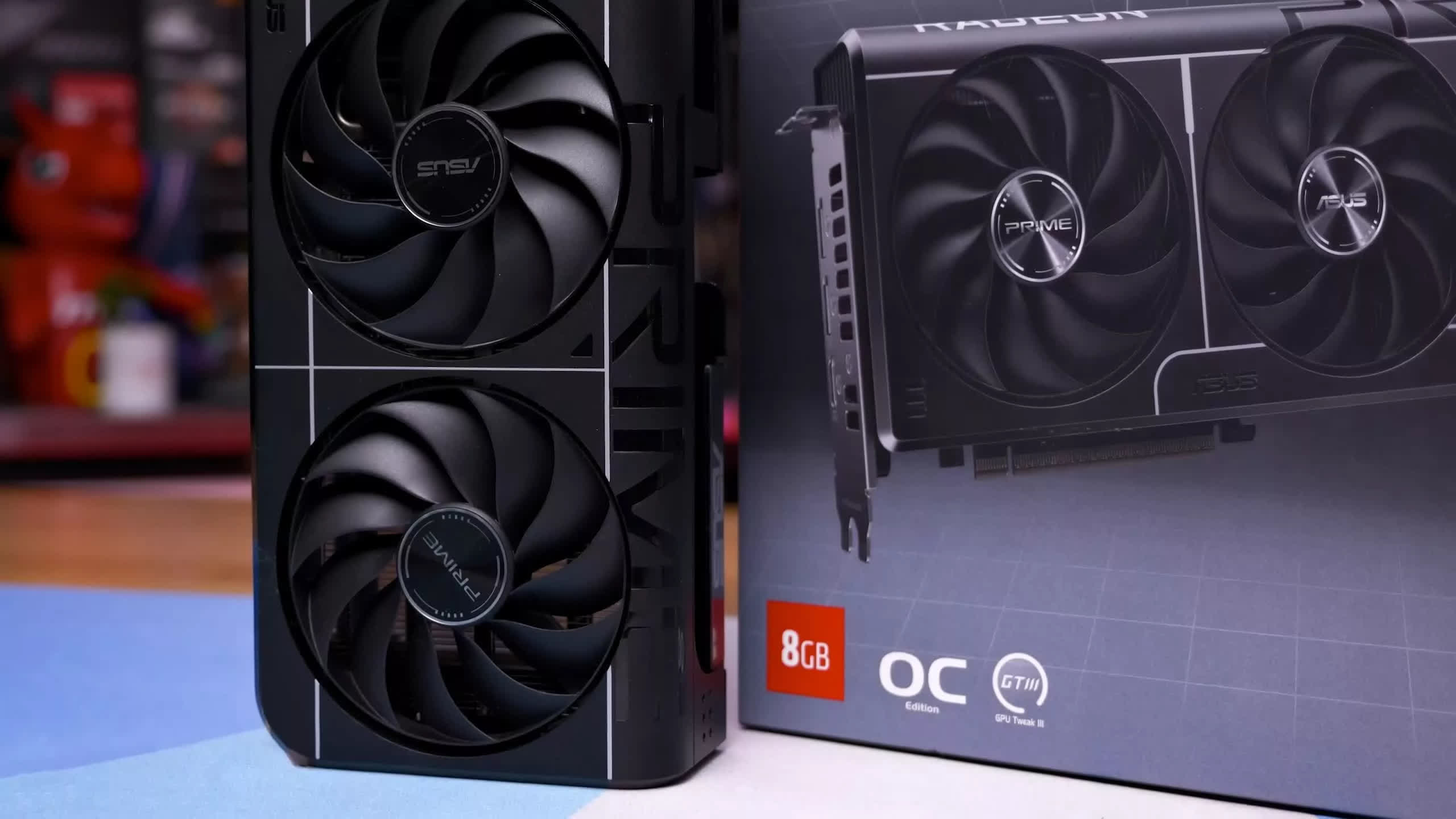
This model is now priced 46% above MSRP, slightly higher inflation than the RTX 5060, adding nearly $140 to the purchase price.
AMD Radeon RX 9060 XT 8GB
| USA | Australia | Germany | UK | Canada | India | Philippines | Brazil | Poland | Netherlands | |
|---|---|---|---|---|---|---|---|---|---|---|
| Feb 2026 | $330 | $490 | 340 € | £280 | $440 | ₹32,000 | ₱20,700 | R$2,400 | 1,400 zł | €340 |
| Sep 2026 | $450 | $530 | 430 € | £390 | $580 | ₹46,000 | ₱27,100 | R$2,800 | 1,900 zł | €430 |
| Oct 2026 | $500 | $530 | 450 € | £400 | $730 | ₹46,000 | ₱25,300 | R$3,330 | 2,450 zł | €500 |
| Change | 11% | 0% | 5% | 3% | 26% | 0% | -7% | 19% | 29% | 16% |
The 16GB model has fared even worse. This card is now 17% more expensive month over month, which has reduced its value proposition somewhat, as previously it was far and away the best-value mainstream GPU on the market.
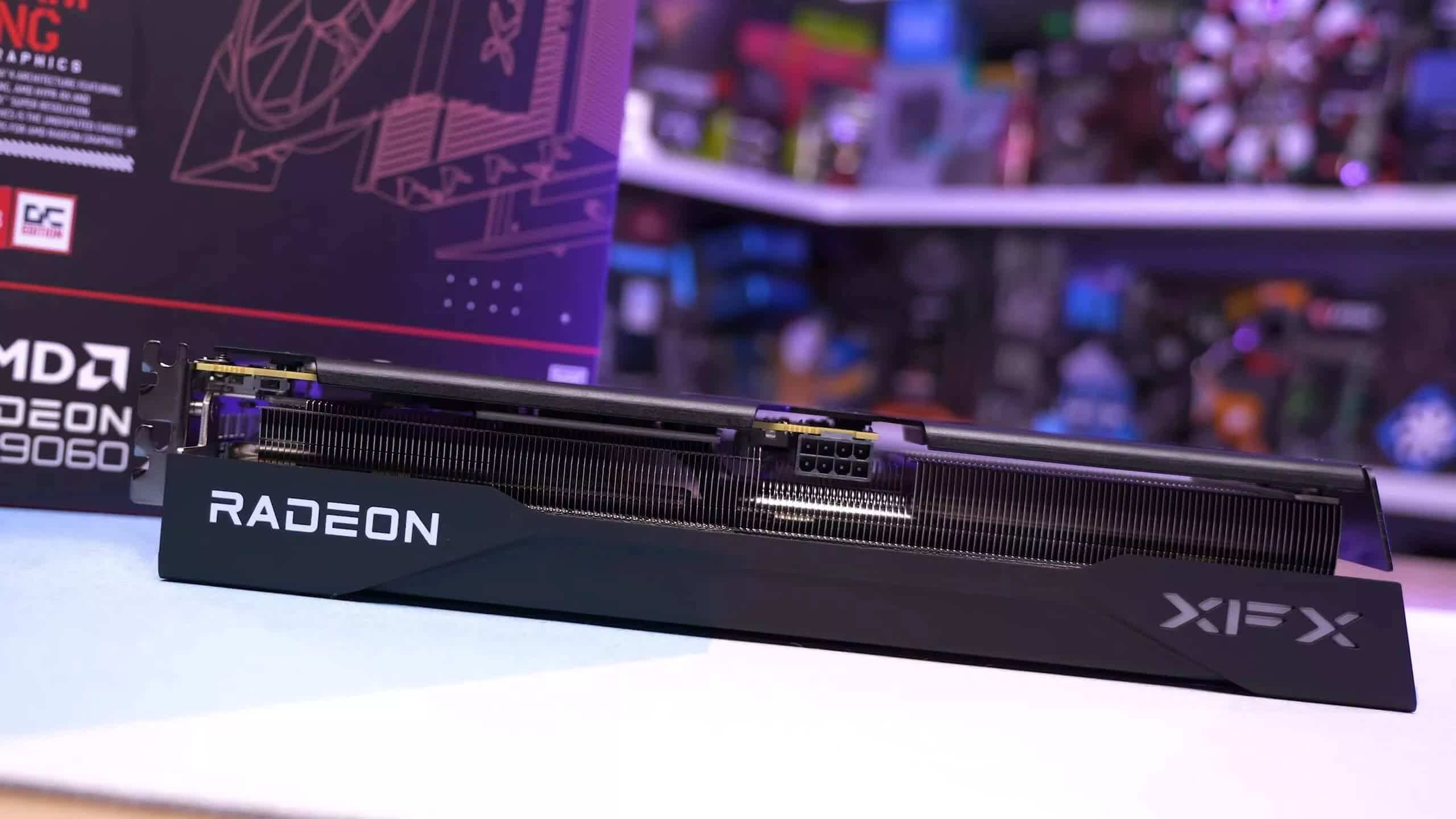
It's still substantially cheaper than the RTX 5060 Ti 16GB in all regions, between 20% and 40% cheaper, so it remains the most affordable way to get 16GB of VRAM on a current-generation GPU.
AMD Radeon RX 9060 XT 16GB
| USA | Australia | Germany | UK | Canada | India | Philippines | Brazil | Poland | Netherlands | |
|---|---|---|---|---|---|---|---|---|---|---|
| Feb 2026 | $400 | $590 | 440 € | £380 | $550 | ₹47,000 | ₱24,700 | R$2,800 | 1,900 zł | €440 |
| Sep 2026 | $500 | $680 | 500 € | £460 | $730 | ₹54,000 | ₱28,200 | R$3,500 | 2,300 zł | €500 |
| Oct 2026 | $620 | $730 | 615 € | £510 | $970 | ₹65,500 | ₱29,300 | R$3,600 | 2,700 zł | €620 |
| Change | 24% | 7% | 23% | 11% | 33% | 21% | 4% | 3% | 17% | 24% |
In terms of price inflation, this card is now 58% above MSRP. It should cost $350, but it's more like $550 on average. Interestingly, that's a $200 price increase for the 16GB card, compared to $140 for the 8GB model, a bit lower than we'd expect considering the VRAM difference.
The RX 9070 Series Is Holding Up Better
Radeon RX 9070 GRE + RX 9070 + RX 9070 XT
Next up we have the RX 9070 GRE, which launched earlier this year at an MSRP designed around the current realities of the market. Despite this, it's currently selling for 8% above MSRP on average, following a 9% month-over-month price increase.
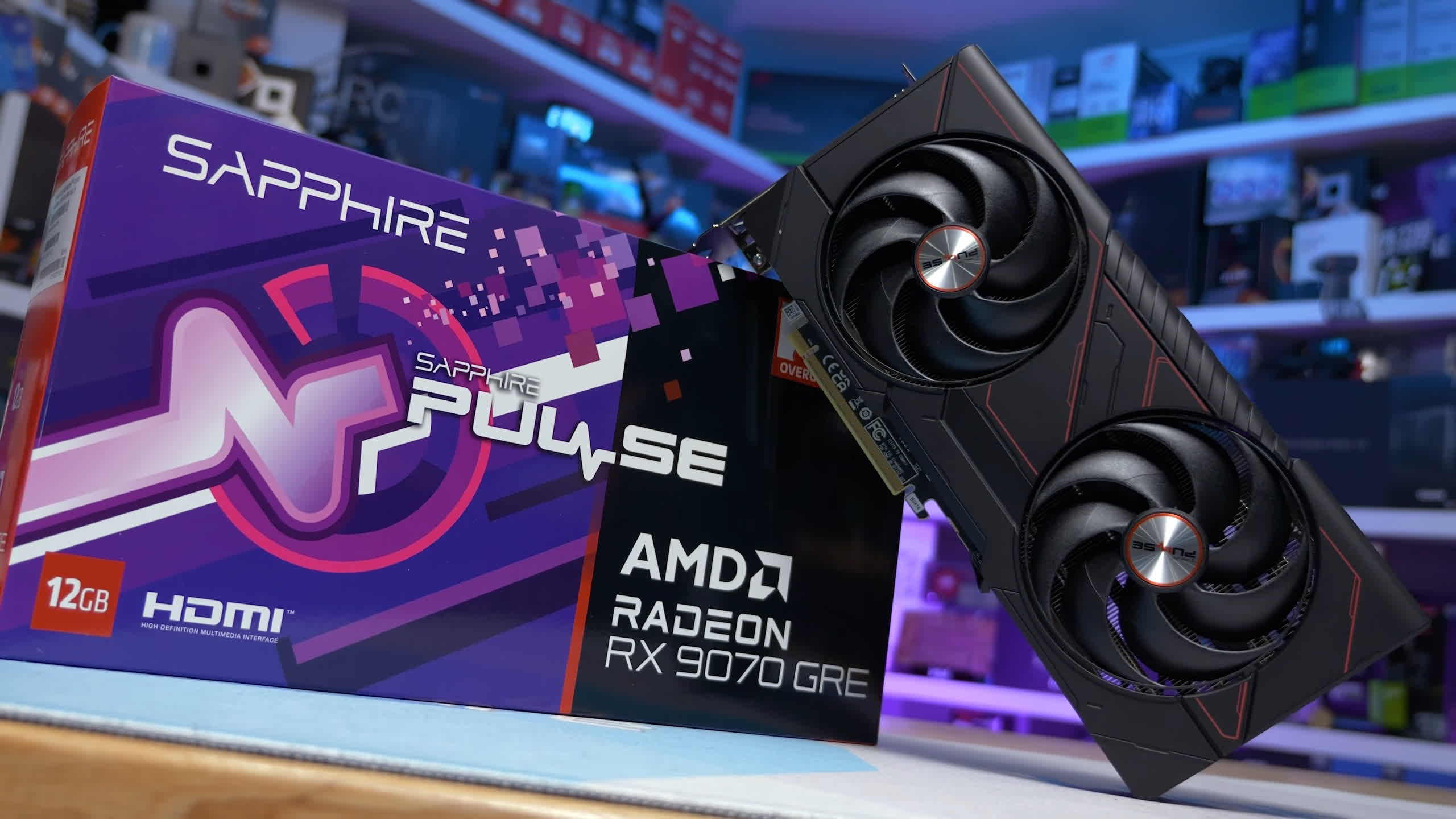
Not a great sign when a card that launched in June is already selling above its original MSRP.
AMD Radeon RX 9070 GRE
| USA | Australia | Germany | UK | Canada | India | Philippines | Brazil | Poland | Netherlands | |
|---|---|---|---|---|---|---|---|---|---|---|
| Feb 2026 | Not Released Yet | |||||||||
| Sep 2026 | $550 | $870 | 570 € | £500 | $770 | ₹64,400 | ₱37,250 | R$4,000 | 2,650 zł | €580 |
| Oct 2026 | $700 | $900 | 630 € | £530 | $850 | ₹70,000 | ₱35,200 | R$4,500 | 2,800 zł | €630 |
| Change | 27% | 3% | 11% | 6% | 10% | 9% | -6% | 13% | 6% | 9% |
The RX 9070 and 9070 XT have both increased in price by 12% month over month, with substantial price hikes in Canada making them less attractive in that region.
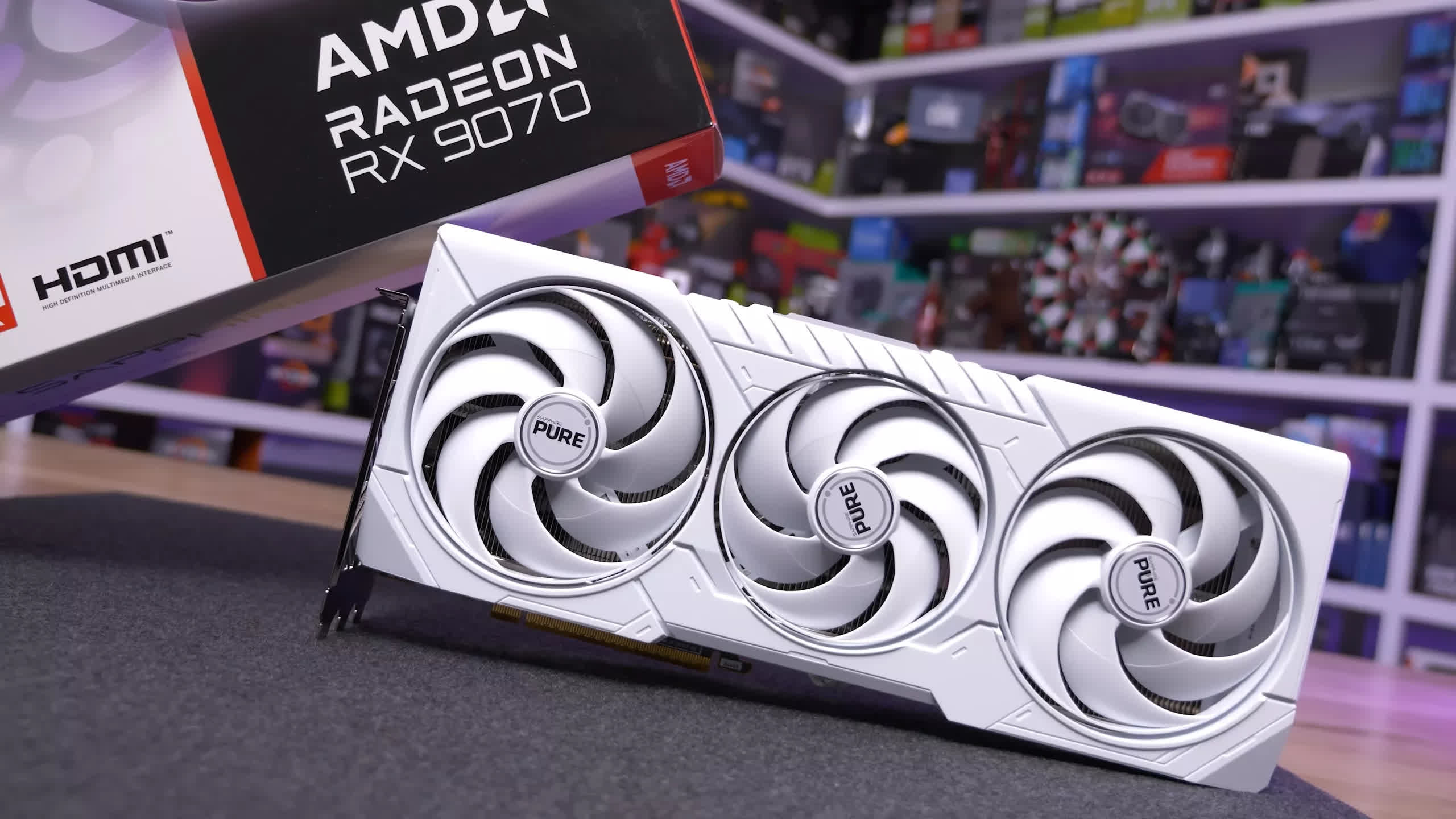
Right now, on average, the XT model is 17% more expensive than the non-XT for about 12% more performance, keeping the RX 9070 in its "better bang for buck" position.
AMD Radeon RX 9070
| USA | Australia | Germany | UK | Canada | India | Philippines | Brazil | Poland | Netherlands | |
|---|---|---|---|---|---|---|---|---|---|---|
| Feb 2026 | $570 | $920 | 610 € | £560 | $840 | ₹61,000 | ₱42,200 | R$4,100 | 2,700 zł | €640 |
| Sep 2026 | $650 | $930 | 650 € | £600 | $950 | ₹75,000 | ₱46,000 | R$4,500 | 2,730 zł | €680 |
| Oct 2026 | $700 | $1,080 | 750 € | £640 | $1,300 | ₹78,400 | ₱43,400 | R$4,900 | 3,150 zł | €760 |
| Change | 8% | 16% | 15% | 7% | 37% | 5% | -6% | 9% | 15% | 12% |
In terms of price inflation, these models are on the lower end of the scale. The RX 9070 is 28% above MSRP, while the RX 9070 XT is 36% above MSRP. That's $155 of price inflation for the 9070 and $216 for the 9070 XT, once regional prices are normalized to dollars.
AMD Radeon RX 9070 XT
| USA | Australia | Germany | UK | Canada | India | Philippines | Brazil | Poland | Netherlands | |
|---|---|---|---|---|---|---|---|---|---|---|
| Feb 2026 | $700 | $1,030 | 700 € | £600 | $980 | ₹70,000 | ₱46,300 | R$4,300 | 2,900 zł | €720 |
| Sep 2026 | $790 | $1,170 | 770 € | £705 | $1,000 | ₹86,000 | ₱48,900 | R$5,200 | 3,380 zł | €800 |
| Oct 2026 | $870 | $1,250 | 835 € | £760 | $1,300 | ₹98,000 | ₱49,400 | R$6,000 | 3,900 zł | €870 |
| Change | 10% | 7% | 8% | 8% | 30% | 14% | 1% | 15% | 15% | 9% |
With the raw price increase of the RX 9070 XT roughly matching that of the RX 9060 XT 16GB, it looks like the RX 9070 is a little cheaper than it should be, considering it has the same 16GB of VRAM, the main component that has become more expensive this year.
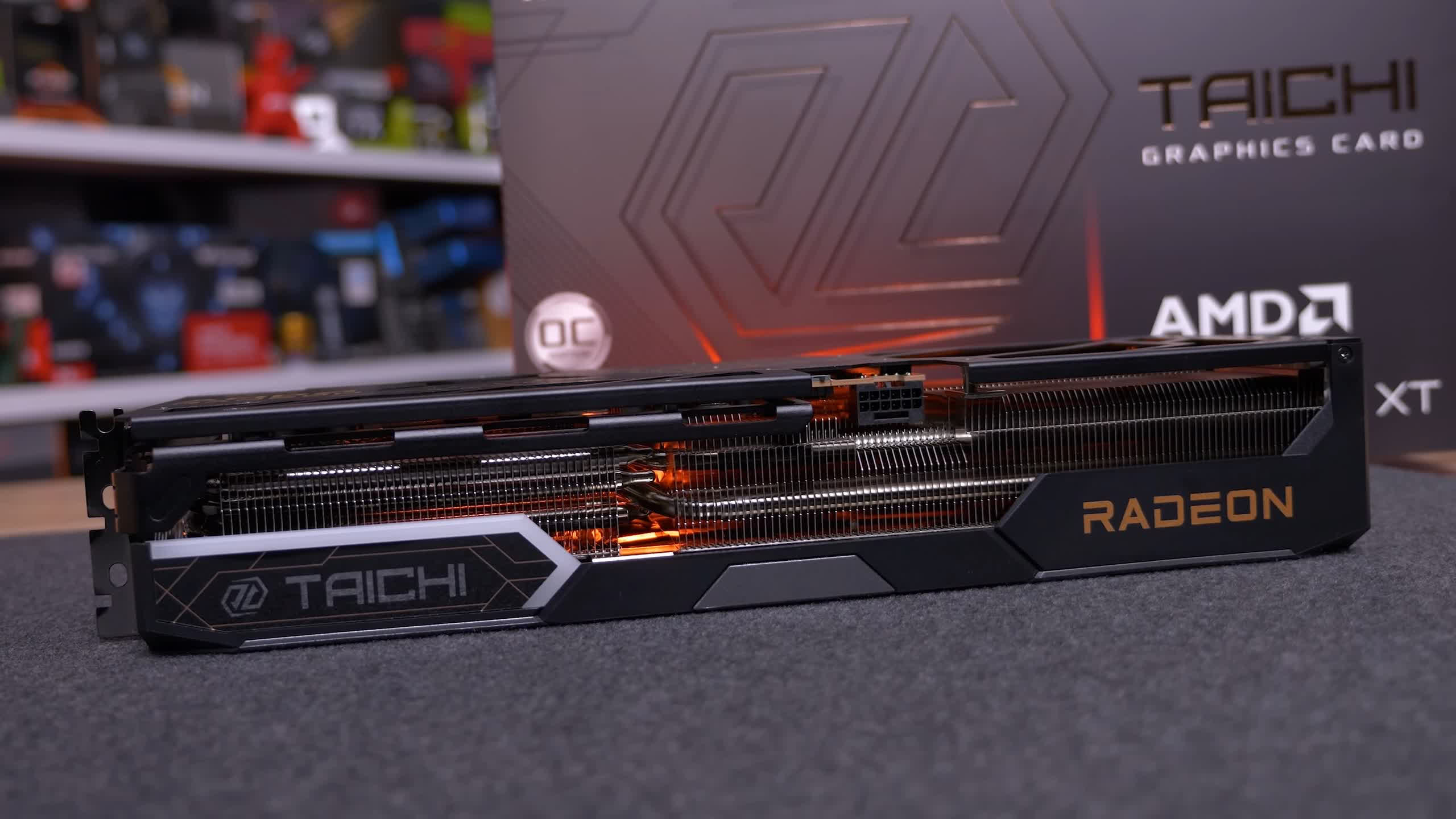
Radeon vs. GeForce: The Value Gap Remains Huge
We can draw some interesting comparisons between AMD and Nvidia here. So far, it'll cost you about $200 more than it should to get a Radeon GPU with 16GB of VRAM.
But if you want 16GB on a GeForce GPU, you're faced with spending at least $300 more than MSRP for an RTX 5060 Ti 16GB, and that figure gets even higher for the faster models. Even the 12GB RTX 5070 has seen its price rise by over $260, despite having just 12GB of memory.
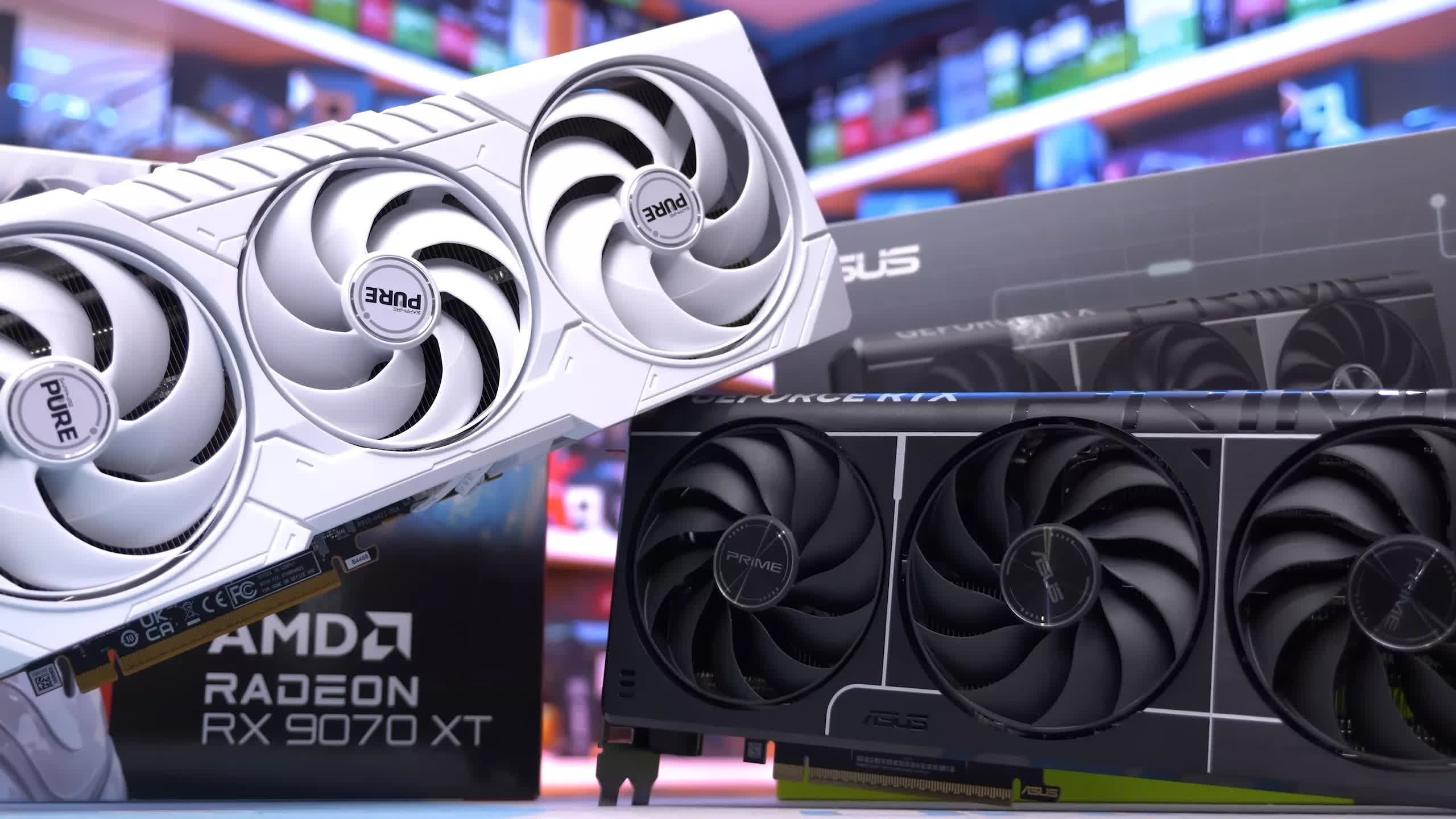
The gap between the RTX 5070 Ti and RX 9070 XT continues to be huge as well. The GeForce costs ~47% more right now, though that's actually slightly lower than last month's result, when the 5070 Ti was 52% more expensive.
Generally, though, for the last few months, it has cost ~50% more to grab the GeForce equivalent, which is pretty insane. Right now, the RX 9070 XT is on average the same price as the RTX 5070 across the 10 regions we examined. Our recent 52-game benchmark showed the Radeon model was 25% faster on average, and it packs more VRAM.
Intel Arc Pricing Is Rising, Too
Intel Arc B570 + B580
Finally, here is look at Intel's GPUs, which remain difficult to find in some regions, especially the Arc B570. Though in some markets, the B570 has actually gotten cheaper compared to the last time we checked, which is nice.
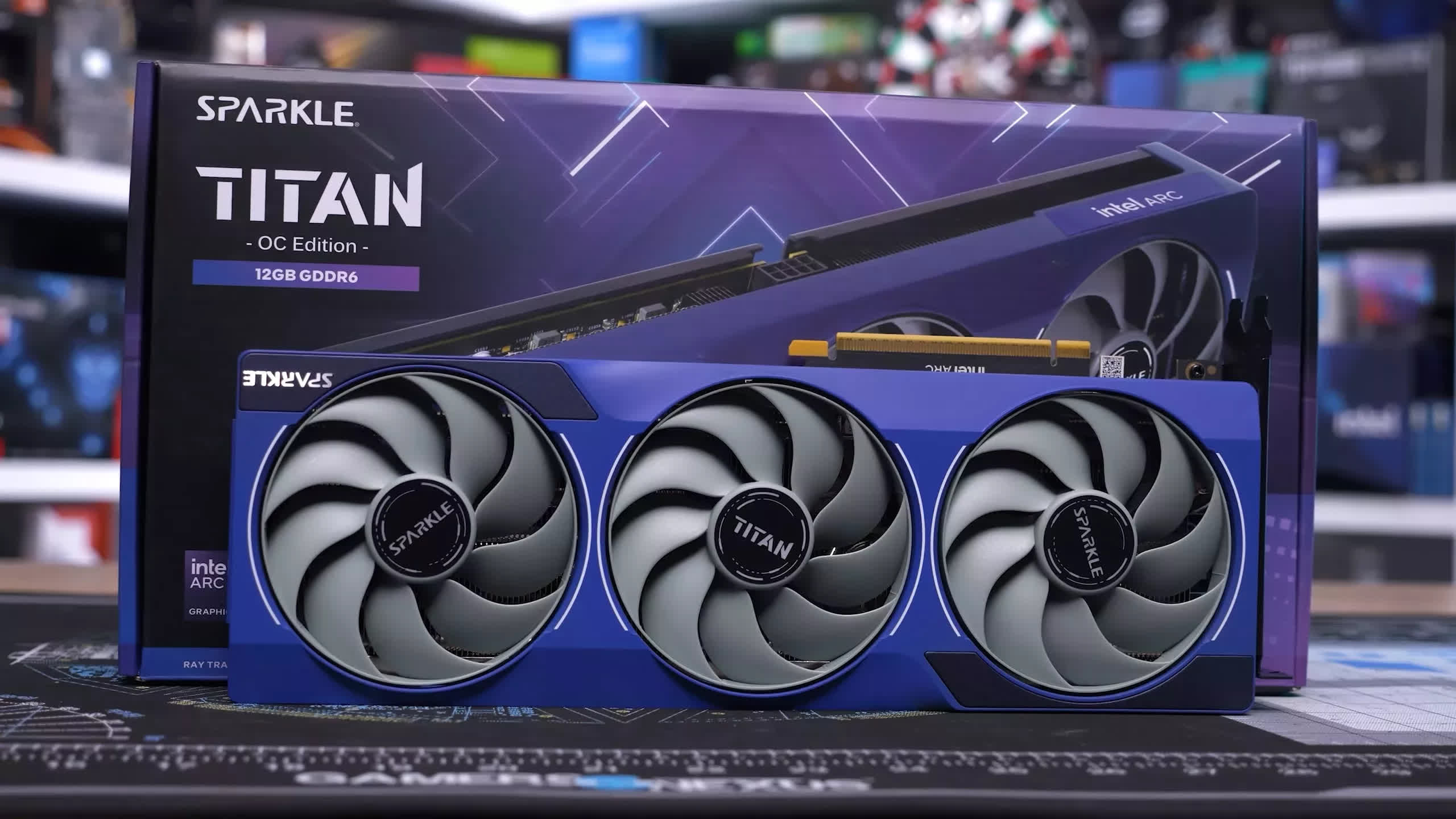
Intel Arc B570
| USA | Australia | Germany | UK | Canada | India | Philippines | Brazil | Poland | Netherlands | |
|---|---|---|---|---|---|---|---|---|---|---|
| Feb 2026 | $250 | $330 | 220 € | £200 | $300 | ₹24,000 | R$1,580 | 910 zł | €235 | |
| Sep 2026 | $260 | 260 € | $400 | ₹32,500 | R$2,580 | 1,400 zł | €300 | |||
| Oct 2026 | $290 | 290 € | £330 | $440 | ₹31,500 | R$2,300 | 1,380 zł | €240 | ||
| Change | 12% | 12% | 10% | -3% | -11% | -1% | -20% |
The Arc B580, meanwhile, is up 10% month over month, with an especially absurd price in the UK, seemingly due to supply issues.
Intel Arc B580
| USA | Australia | Germany | UK | Canada | India | Philippines | Brazil | Poland | Netherlands | |
|---|---|---|---|---|---|---|---|---|---|---|
| Feb 2026 | $300 | $420 | 300 € | £270 | $360 | ₹31,000 | ₱20,000 | R$1,700 | 1,200 zł | €290 |
| Sep 2026 | $330 | $420 | 325 € | $450 | ₹46,000 | R$2,350 | 1,520 zł | €340 | ||
| Oct 2026 | $350 | $420 | 375 € | $500 | $505 | ₹43,000 | R$2,400 | 1,800 zł | €390 | |
| Change | 6% | 0% | 15% | 12% | -7% | 2% | 18% | 15% |
On average, this card is 47% above MSRP, but just 36% if we exclude the UK. That makes this $250 GPU about $90 more expensive in most markets, a good indication of the impact the memory crisis is having on a card with 12GB of GDDR6.
GPU Prices Have Jumped 35% in Just Three Months
Put everything together and graphics card prices have risen by 11% month over month. That's an average of the price hikes across all 10 countries for the various gaming GPUs, and it's not a pretty picture. A 10% increase in a single month is massive, especially on the back of similar increases in prior months.
GPUs became 7% more expensive in September and 15% more expensive in August, which equates to a 35% price increase over the last three months. And unfortunately, there are no signs that graphics card prices are tapering off. In fact, various rumors and reports from retailers suggest the opposite: we haven't yet seen peak graphics card pricing.
| GPU | MSRP | Current US Price |
% Increase MSRP vs Retail |
Approx. Global Increase vs MSRP |
|---|---|---|---|---|
| RTX 5050 | $249 | $420 | 69% | 41% |
| RTX 5060 | $299 | $450 | 51% | 40% |
| RTX 5060 Ti 8GB | $379 | $530 | 40% | 24% |
| RTX 5060 Ti 16GB | $429 | $790 | 84% | 69% |
| RTX 5070 | $549 | $900 | 64% | 48% |
| RTX 5070 Ti | $749 | $1,250 | 67% | 60% |
| RTX 5080 | $999 | $2,200 | 120% | 77% |
| RTX 5090 | $1,999 | $9,400 | 370% | 262% |
| RX 9060 XT 8GB | $299 | $500 | 67% | 46% |
| RX 9060 XT 16GB | $349 | $620 | 78% | 58% |
| RX 9070 | $549 | $700 | 28% | 28% |
| RX 9070 XT | $599 | $870 | 45% | 36% |
| Arc B570 | $219 | $290 | 32% | n/a |
| Arc B580 | $249 | $350 | 41% | 47% |
The market managed to keep GPU prices relatively stable throughout the first half of 2026 after an initial spike at the end of last year, but those days are over. Cards with 16GB of VRAM are now several hundred dollars more expensive, and the high end in particular is looking grim, given the situation with the RTX 5080.
Unlike previous months, Radeon GPUs actually increased in price more than GeForce this time (excluding the RTX 5090). The RX 9060 XT 16GB was stung particularly hard, but the RX 9070 XT is also up 12% and fast approaching the $1,000 mark in some regions.
What Comes Next for GPU Pricing?
There continues to be quite a significant difference in price inflation depending on the region. On average, GPU prices are 44% above MSRP, but as high as 58% above in Canada and the United States. At the opposite end of the scale, the Philippines, Brazil, and Australia are faring a bit better than average.
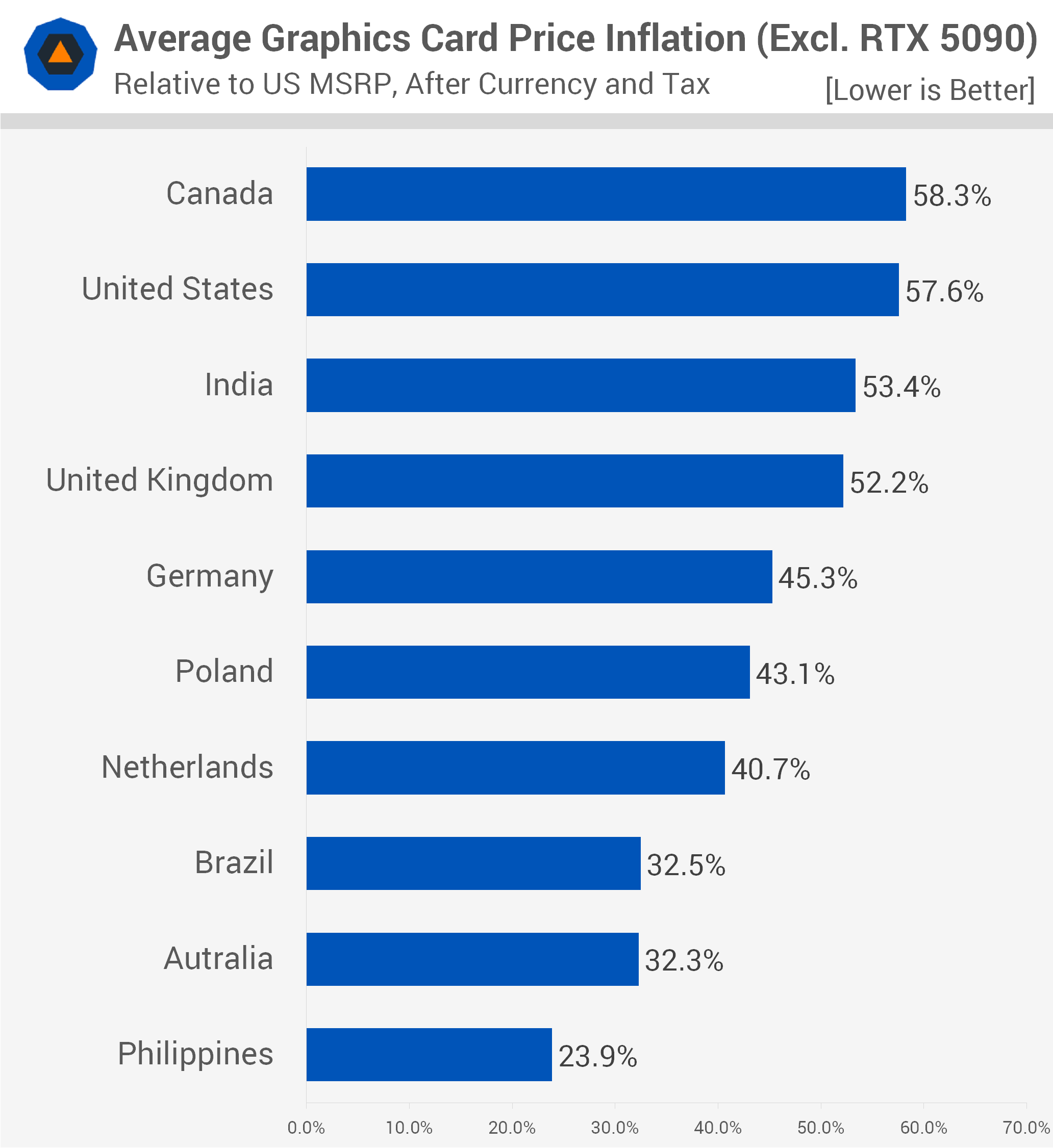
For regions with lower price inflation, we think what we're seeing in the US is a reflection of what's to come. Eventually, price hikes elsewhere could reach similar levels.
As for what's to come, it seems Nvidia could be preparing to introduce an RTX 5080 24GB model in early 2027, with a high expected retail price. Various rumors and reports suggest the RTX 5080 16GB will be discontinued in favor of the 24GB variant, which could become the new flagship gaming GPU.
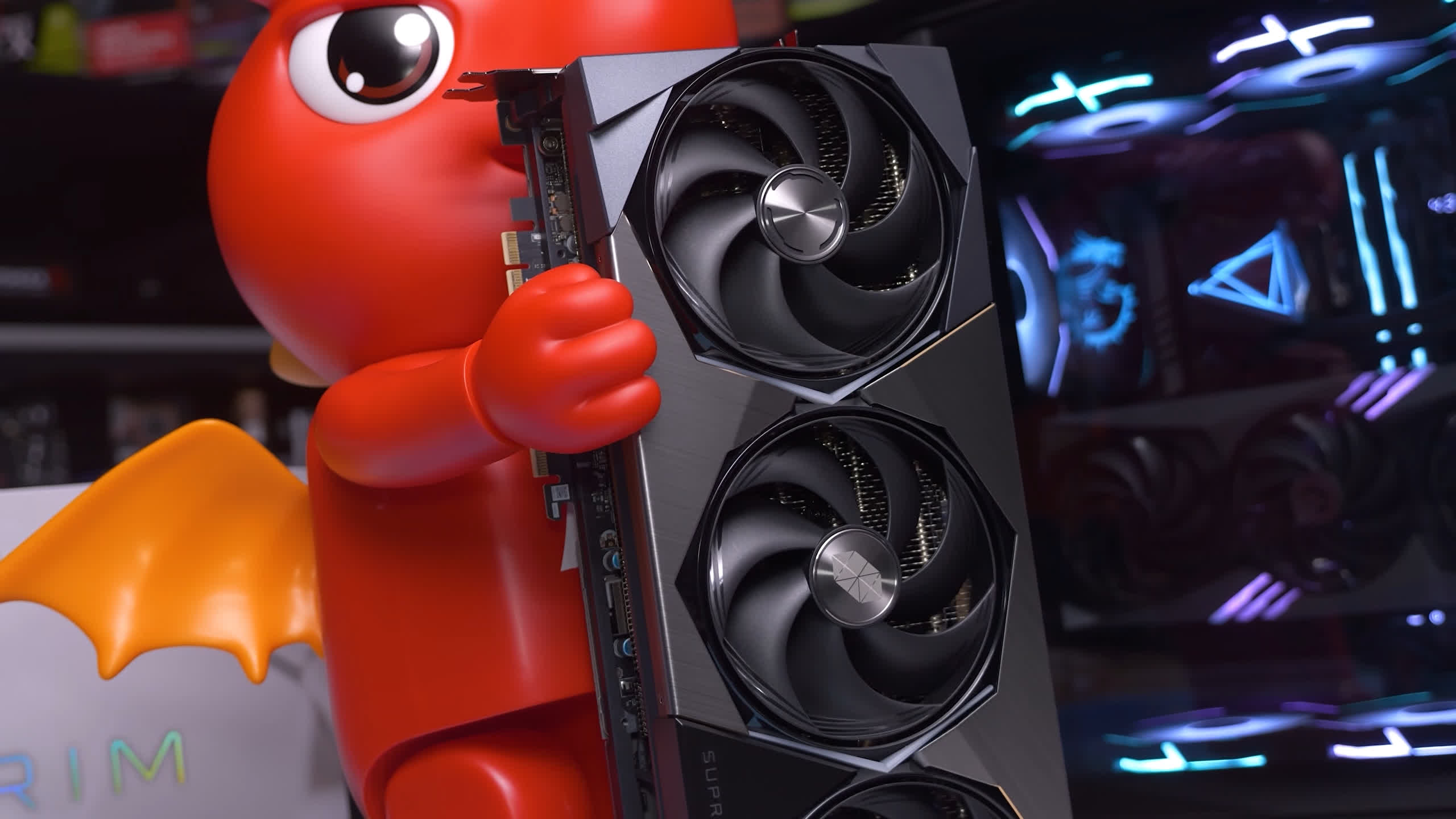
This follows reports that the RTX 5090 has been discontinued, something Nvidia has denied, but the situation at retail, and even on Nvidia's own marketplace, suggests the card has effectively disappeared from the gaming market.
Beyond that, expect graphics card prices to remain high for a long time. It sucks big time, but the days when you could actually buy these products at MSRP are becoming a distant memory, and it doesn't look like pricing will return to those levels during this generation.