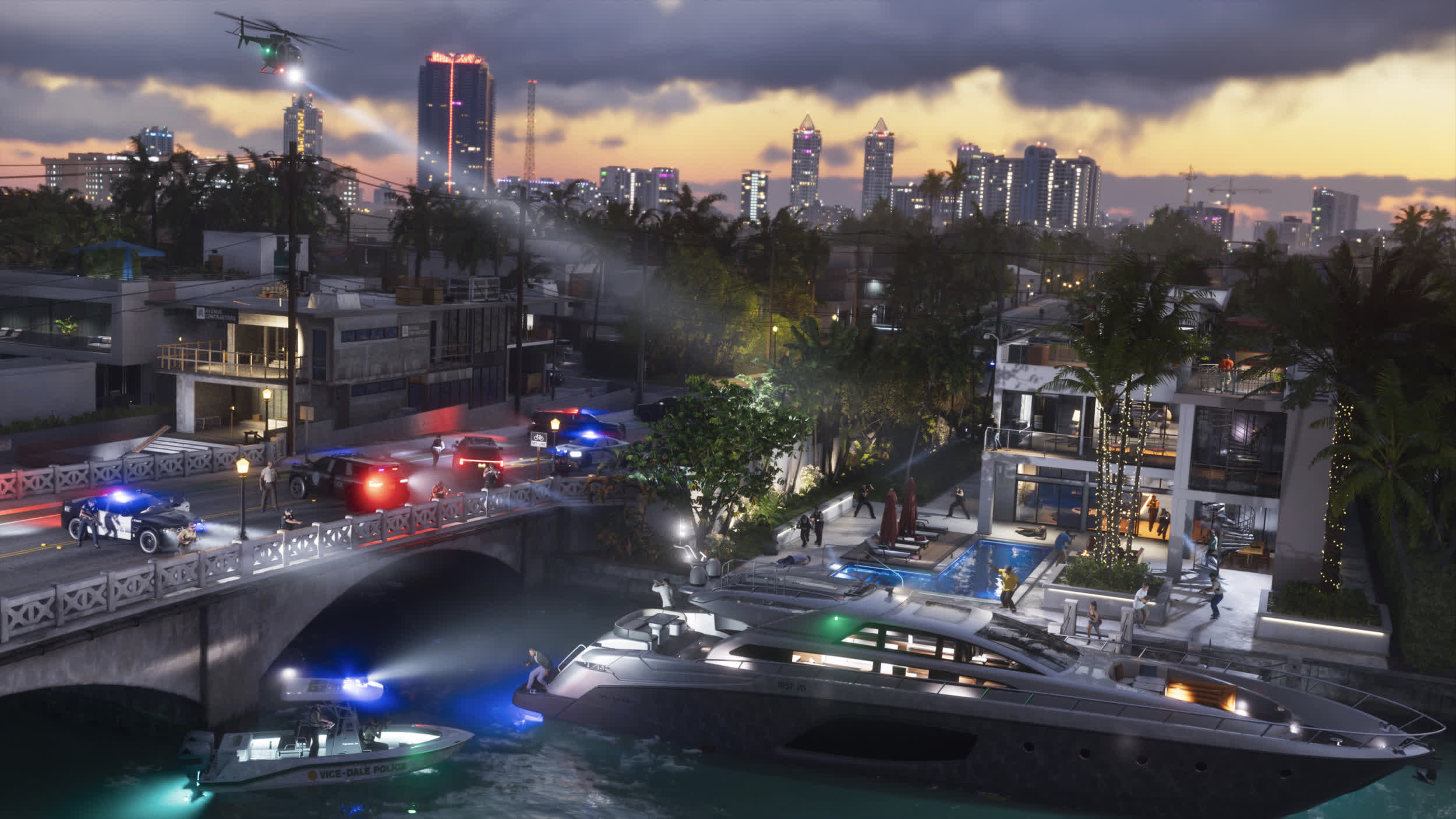
Here We Slop Again: Thanks to the enormous amount of data used to train modern large language models, fame-seeking young devs and AI enthusiasts are now hard at "work" on previously unthinkable porting projects. Even GTA VI, one of the most anticipated games in recent years, might not be immune to the brute-force power of vibe-coding chatbots.
Former Rockstar North technical director Obbe Vermeij thinks a PC port of GTA VI could arrive sooner than expected, because Rockstar and Take-Two may want to get ahead of any attempt to put an unofficial version of the game out on the platform.
Vermeij, who left the studio in 2009 and admits he doesn't know what Rockstar is thinking, said generative AI has really changed the world, and that it's now a big question for developers and publishers how to avoid having their games duplicated by chatbots.
In a recent interview with Rock Paper Shotgun, Vermeij explained that most publishers prefer to launch on all available platforms at once, since that means paying for only one marketing campaign. Grand Theft Auto has always lived by its own rules, so Rockstar sticks with consoles first. However, AI-assisted "decomps" are essentially jeopardizing any effort to keep major releases such as GTA VI locked away from the PC.
Bringing Rockstar's crime epic to computers would cost a ton of AI tokens, and will likely result in a subpar effort compared to a properly developed port. And yet, Vermeij thinks people will try to produce a recompiled version anyway. It would take a long time and likely tens of thousands of dollars in tokens, but he expects someone to give it a shot as soon as the game is out.
In Vermeij's view, the threat of a vibe-coded GTA VI PC build could push Rockstar to speed up its porting efforts. Thanks to GenAI's efficiency at brute-forcing through existing code bases, an official PC version could be a little closer than anticipated. Either way, Rockstar will likely do everything it can to limit the impact on the game's potential sales on the platform.
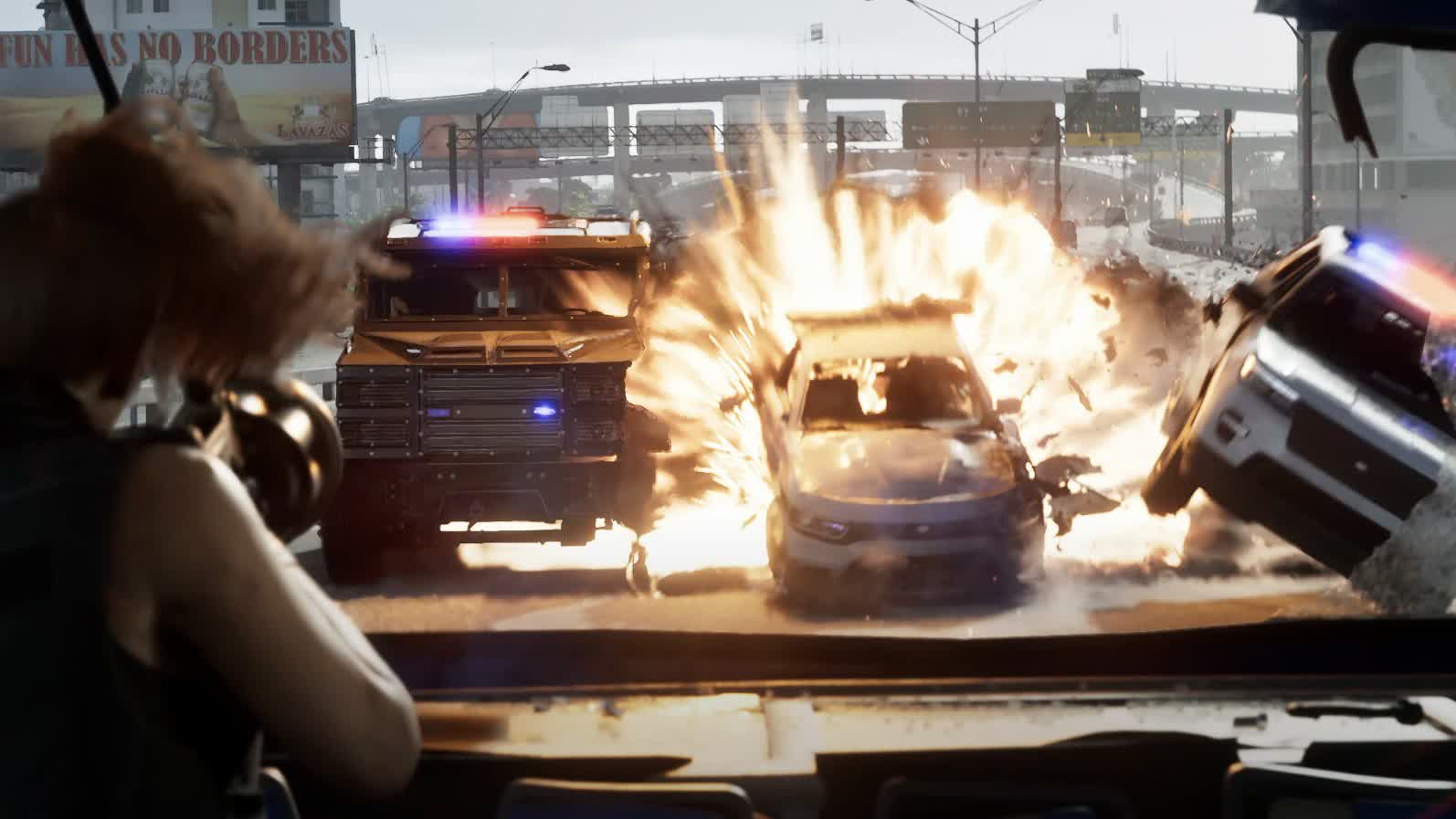
Vermeij sees generative AI as an existential worry for game developers, whether they are major labels or small indie studios like his own GabberGames, which are even more vulnerable.
Also read: From Halo to Adobe Clones, Why AI Is Suddenly Cracking Open Old Software
A giant such as Take-Two can unleash its lawyers on any decomp effort, and a big game may be too much for the AI to handle well, but Vermeij admits he doesn't see how anyone could fully protect against it. In his words, it's a brave new world, and the next couple of years will show how it plays out.
Vermeij also recalled his time at Rockstar during the early GTA days. He didn't work on GTA 1 and 2, but he sat right next to the GTA 1 team. PC was the main focus back then, with an outside studio in Dundee handling the PlayStation version, and yet the PlayStation versions sold much better than the PC ones. For GTA 3, Rockstar flipped its priorities and built the console version first.