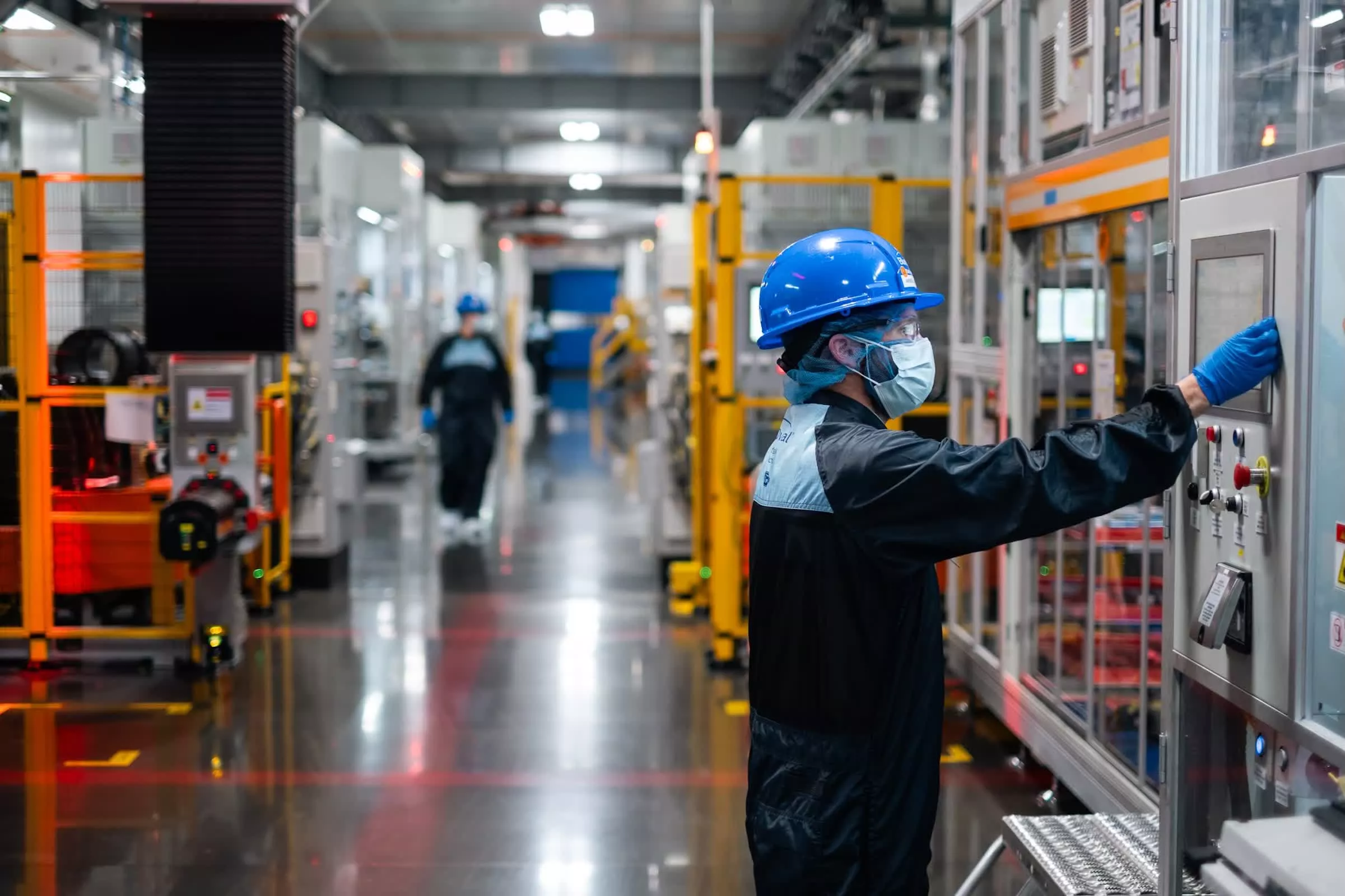
TL;DR: Ford Motor is now manufacturing lithium iron phosphate (LFP) battery cells at its own plant in central Michigan and shipping them to Kentucky, where they will power prototypes of its Fathom midsize electric pickup. The cells use technology licensed by Ford from CATL, the Chinese company and the world's largest battery manufacturer. The deal gives Ford a faster path to producing more affordable EV batteries in the United States, but it has also drawn criticism from some lawmakers and the US Transportation Secretary.
Production began in October at Ford's $3 billion battery plant in Marshall, Michigan, about 100 miles west of Detroit. Finished cells are being shipped to the company's Louisville, Kentucky, plant, where prototypes of the Fathom are being built. CEO Jim Farley has pitched the small pickup as a direct competitor to Tesla and Chinese automakers.
Battery chemistry is central to that plan. LFP cells cost less than the nickel-based cells used in many EVs and are generally considered more durable. These advantages have prompted several automakers to adopt LFP technology.
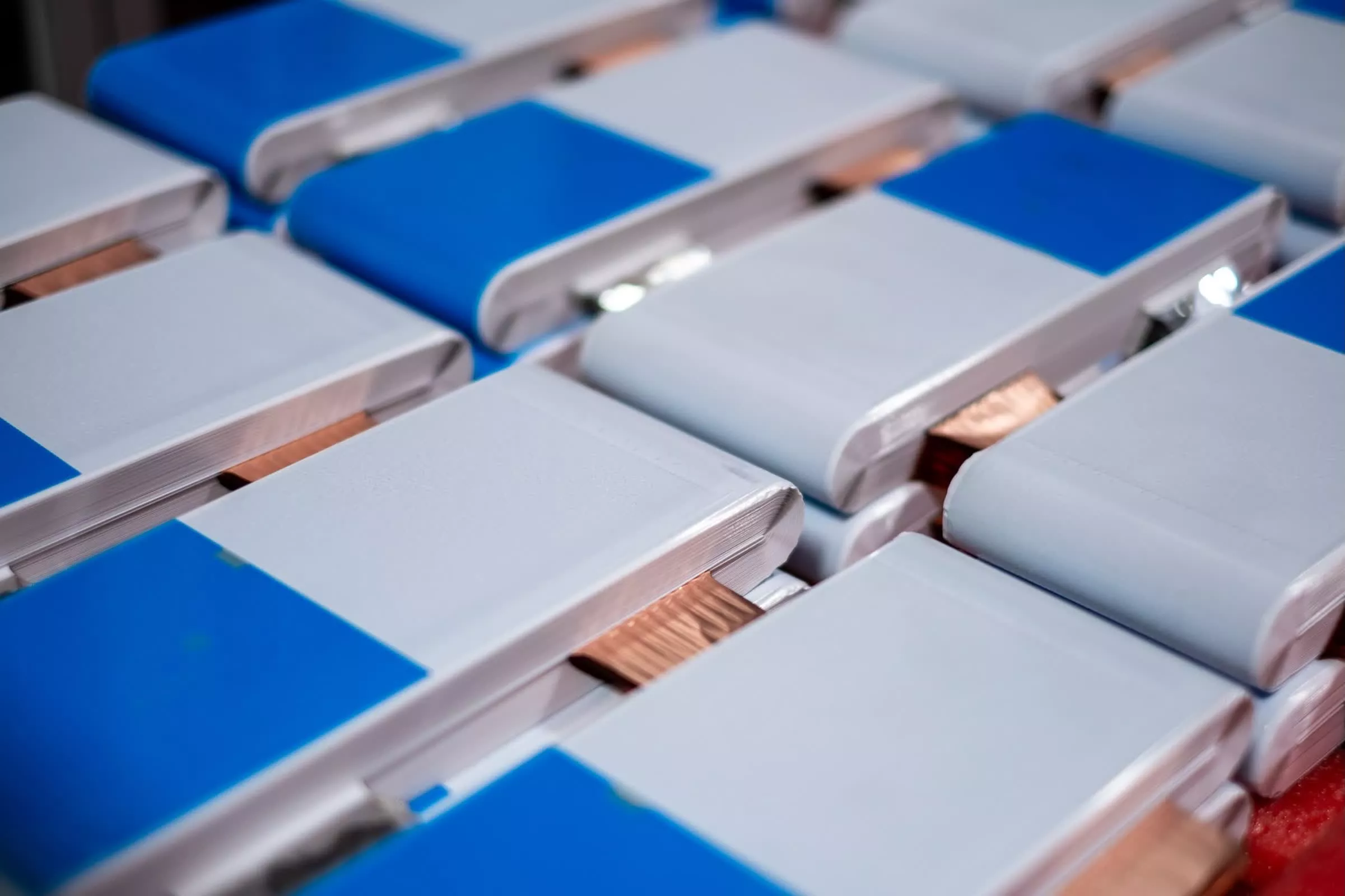
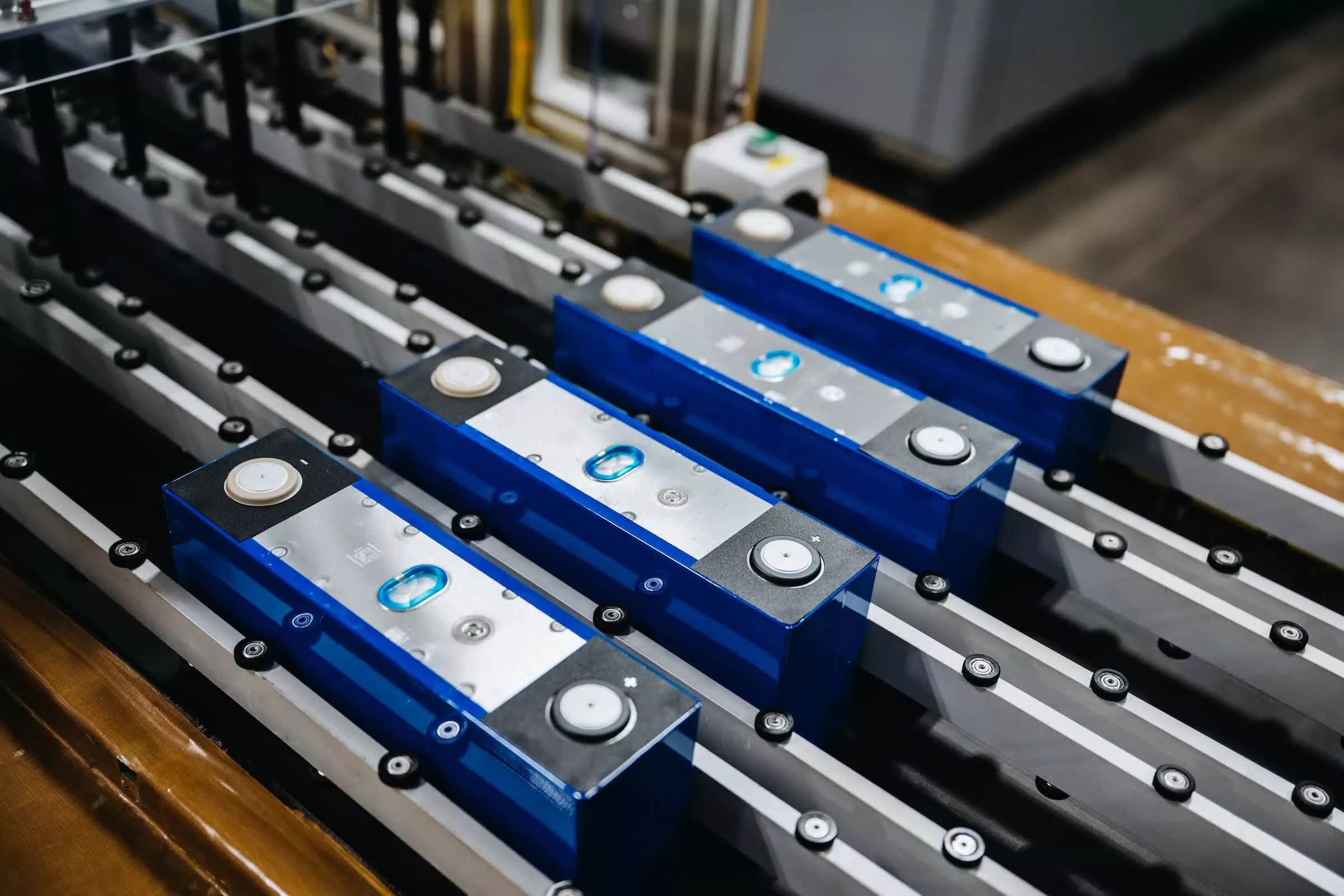
Although the chemistry was developed in the United States, China did most of the work to bring it to mass production, leaving American automakers with few domestic sources. The cells produced in Marshall are prismatic, meaning they have a flat, rectangular shape rather than a cylindrical or pouch-like design.
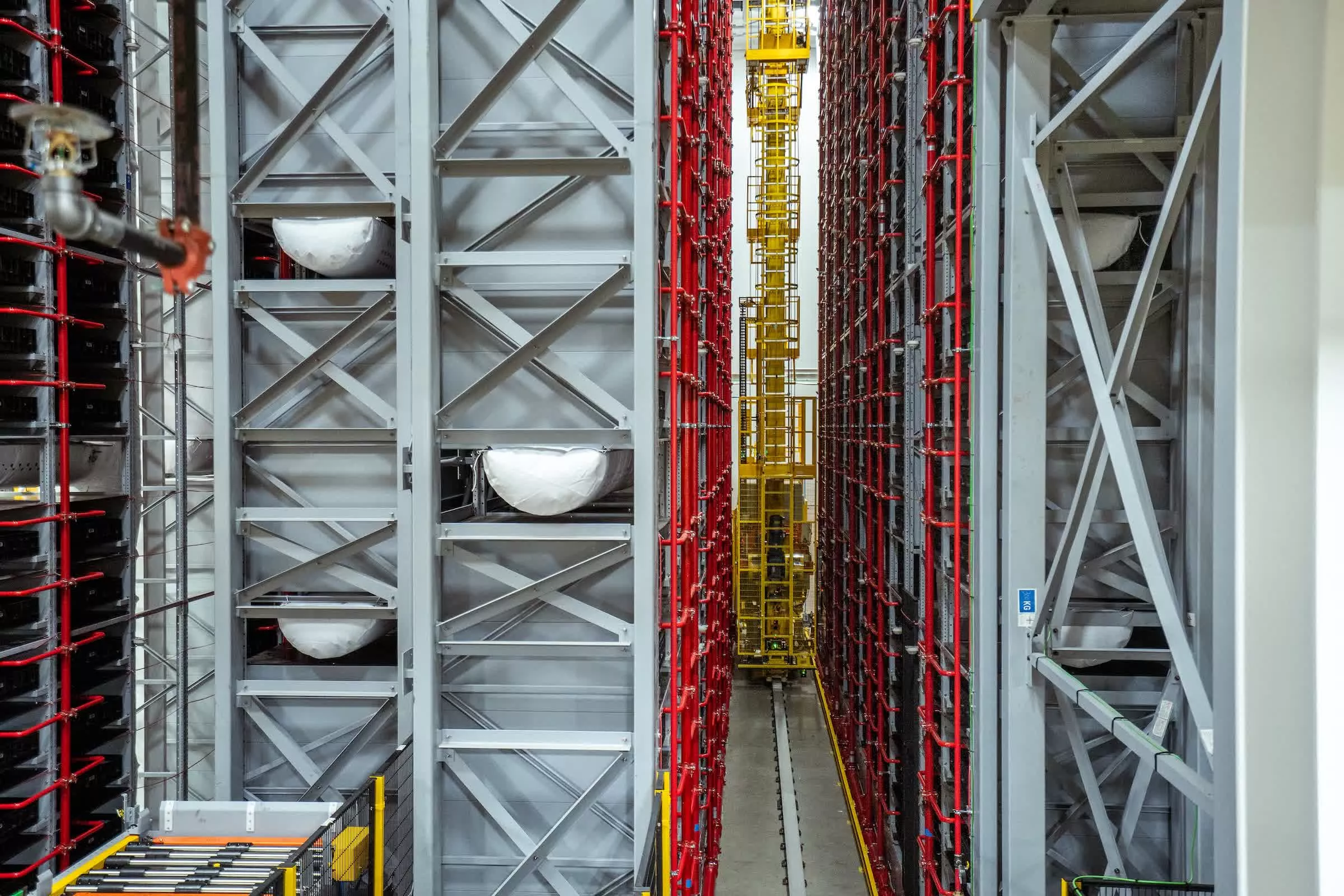
Ford says the plant can produce 40 cells per minute. At that rate, the roughly 2-million-square-foot facility could manufacture 20 gigawatt-hours' worth of cells annually, with production split between EVs and Ford's energy storage business.
That is half the original target of up to 40 gigawatt-hours. Ford scaled back its plans as the company and the wider auto industry reduced their EV ambitions. The company says the plant's high production rate will help lower battery costs and that the facility has room for future expansion.
Most of the plant's manufacturing processes are automated, but Ford says it is still in the early stages of certifying the production process. The company plans to ramp up cell production through next year, ahead of the Fathom's expected launch in the fourth quarter of 2027.
Alan Clarke, Ford's vice president of advanced development projects, said licensing technology from CATL was primarily a matter of speed.
"If we want to get to being able to produce affordable EVs in the United States, we need to also do it the fastest way possible," Clarke said this week during a tour of the facility with CNBC. "CATL being the biggest in the world means that they're the best supplier to get us that technology and help us learn ourselves how to produce LFP cells."
Clarke's point is that Ford is learning to manufacture the cells itself rather than simply buying the rights to use CATL's technology. Ford owns and operates the Marshall plant, while CATL supplies the technology under a licensing agreement. Ford has used this arrangement to argue that it is strengthening domestic manufacturing, while other automakers continue to import batteries from China.
Some officials in Washington disagree. In a September letter to Farley, Transportation Secretary Sean Duffy said his agency was "deeply alarmed" by Ford's reliance on CATL's licensed technology at the Marshall plant. Ford described the letter as a "wrongheaded attempt to capture headlines."
The dispute could also have financial implications. A Ford spokesperson said the company still expects the plant to qualify for a federal tax credit for battery manufacturing. If approved, the credit would further reduce the cost of the cells Ford is counting on to make the Fathom affordable.