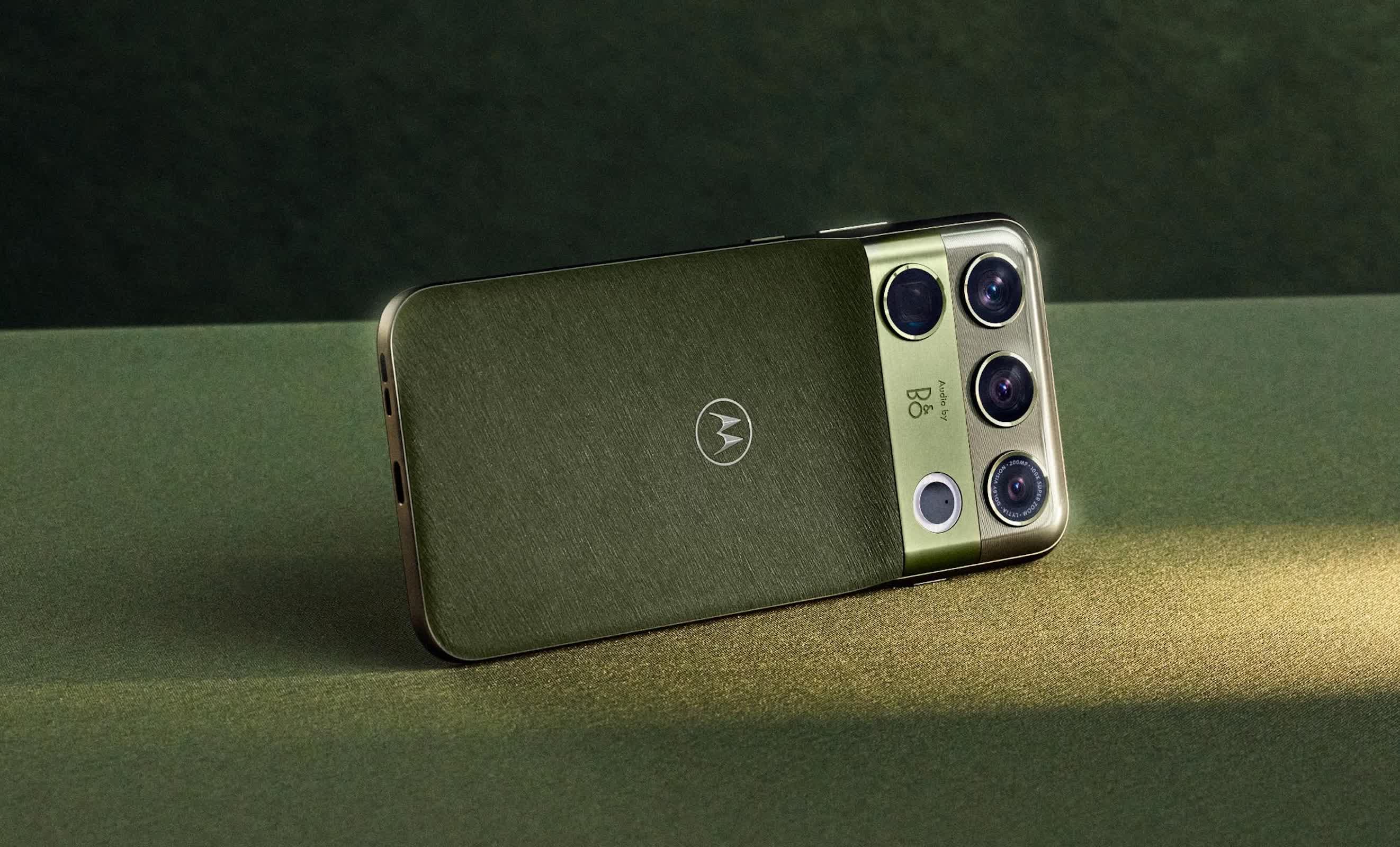
The takeaway: One of the better known security-focused versions of Android says Google is trying to steer phone makers away from it. GrapheneOS developers claim Google has been asking Android manufacturers whether they work with the project, citing its Google Mobile Services licensing terms in the process. The accusation comes as GrapheneOS moves onto Motorola hardware, its first step beyond Google's own Pixel phones.
The team made the claims on X and described Google's outreach as a threat to the brands involved. It also said Google might eventually take a range of steps meant to block GrapheneOS and other Android forks. Its leaders said they want to speak with US Attorney General Todd Blanche and others to stop what they called "Google's escalating anti-competitive behavior."
GrapheneOS is built on Android's open-source code and hardens the operating system to improve security and privacy. For most of its existence, Pixel phones were its only officially supported hardware. That made it dependent on the same company it now accuses of working against it.
That dependence is starting to loosen. GrapheneOS partnered with Motorola last year, and the Motorola Signature 27 is being offered in a GrapheneOS variant. People who want the operating system will no longer have to buy a Pixel. A second hardware source protects the project if its relationship with Google gets worse. It also creates the kind of manufacturer relationship that licensing pressure could affect.
The project has also kept adding features. Recent work includes a secure paste feature merged into the operating system, part of a steady stream of changes aimed at limiting what apps can see and access.
The GrapheneOS team did not portray everyone at Google as an opponent. It credited Google's engineers and said many have helped the project at a technical level.
"There are a lot of engineers at Google who support what we're building and have directly worked with us," the team said. "People there have repeatedly helped us and even explicitly added support for GrapheneOS to Google software including supporting Vanadium for Play services FIDO2 and passkeys."
– GrapheneOS (@GrapheneOS) November 20, 2026
That last detail shows how closely GrapheneOS and Google's software remain connected. Vanadium is the GrapheneOS browser. FIDO2 and passkeys are the authentication standards that let users sign in without passwords, using cryptographic keys stored on the device. When Google's Play services support those standards in Vanadium, GrapheneOS users can use passwordless sign-in through the project's own hardened browser. That kind of compatibility work happens at the engineering level, and the project says it has received that help.
According to GrapheneOS, the problem is Google's business division, not its engineers. The project's argument depends on that split. Technical teams at Google have made room for the fork, while the commercial side is now pushing manufacturers on licensing.
The licensing question has a legal history. Google has already lost court battles over its agreements with Android manufacturers, including terms that limited their ability to ship devices running Android forks. If Google is now using Google Mobile Services licensing to discourage manufacturers from working with GrapheneOS, it would be returning to a kind of restriction that courts have already examined.
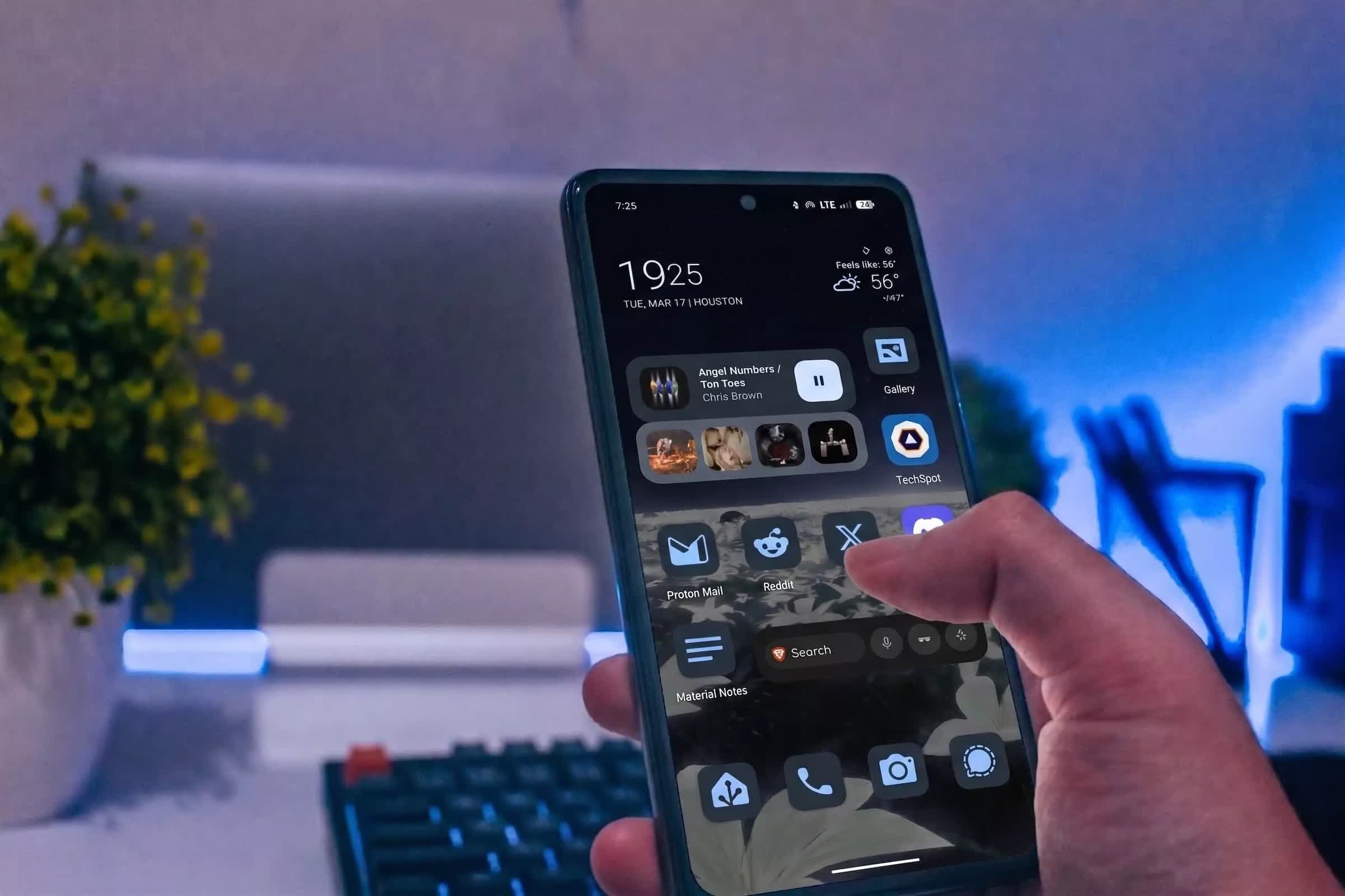
For now, the claims come from one side. GrapheneOS has not publicly named the manufacturers it says Google contacted or shared the wording of any communications. Google and Motorola have not publicly responded to the allegations.
The outcome could affect more than one project. GrapheneOS's move onto Motorola hardware tests whether a hardened Android fork can survive outside the Pixel line. If manufacturers decide that working with the project puts their Google licensing at risk, other Android forks could find it harder to get onto new hardware.