
The big picture: Wacom is the company behind the Cintiq and Intuos drawing tablets that many digital artists and designers still swear by. Now, the Japanese company is preparing to leave the stock market. To make that happen, CEO Nobutaka Ide is joining forces with South Korean private equity firm MBK Partners. The proposed buyout values Wacom at roughly $860 million.
The offer works out to ¥1,030 per share, about 50% above the stock's closing price the day before the deal was announced. Wacom's board has already approved the offer and is recommending that shareholders tender their shares. Those shares will be transferred to a holding company MBK established in Japan specifically for the acquisition. Once it acquires enough shares, Wacom will be delisted from the Tokyo Stock Exchange.
In an interesting twist, one of the biggest shareholders backing the deal previously tried to get Ide fired. Back in May, London-based fund Asset Value Investors urged fellow shareholders to vote him out. As Wacom's largest shareholder, it cited several concerns, ranging from weak financial results to allegations that Ide had misused company resources. Six months later, the same fund has agreed to tender its entire 20% stake as part of his buyout.
Samsung, meanwhile, is selling its shares only to buy back into the business. Its Singapore subsidiary owns about 6.3% of Wacom and will tender those shares before reinvesting to retain roughly the same stake in the new ownership structure. Samsung has good reason to maintain its relationship with Wacom: the S Pen in this year's Galaxy S26 Ultra still relies on Wacom technology. Samsung first invested in Wacom in 2013.
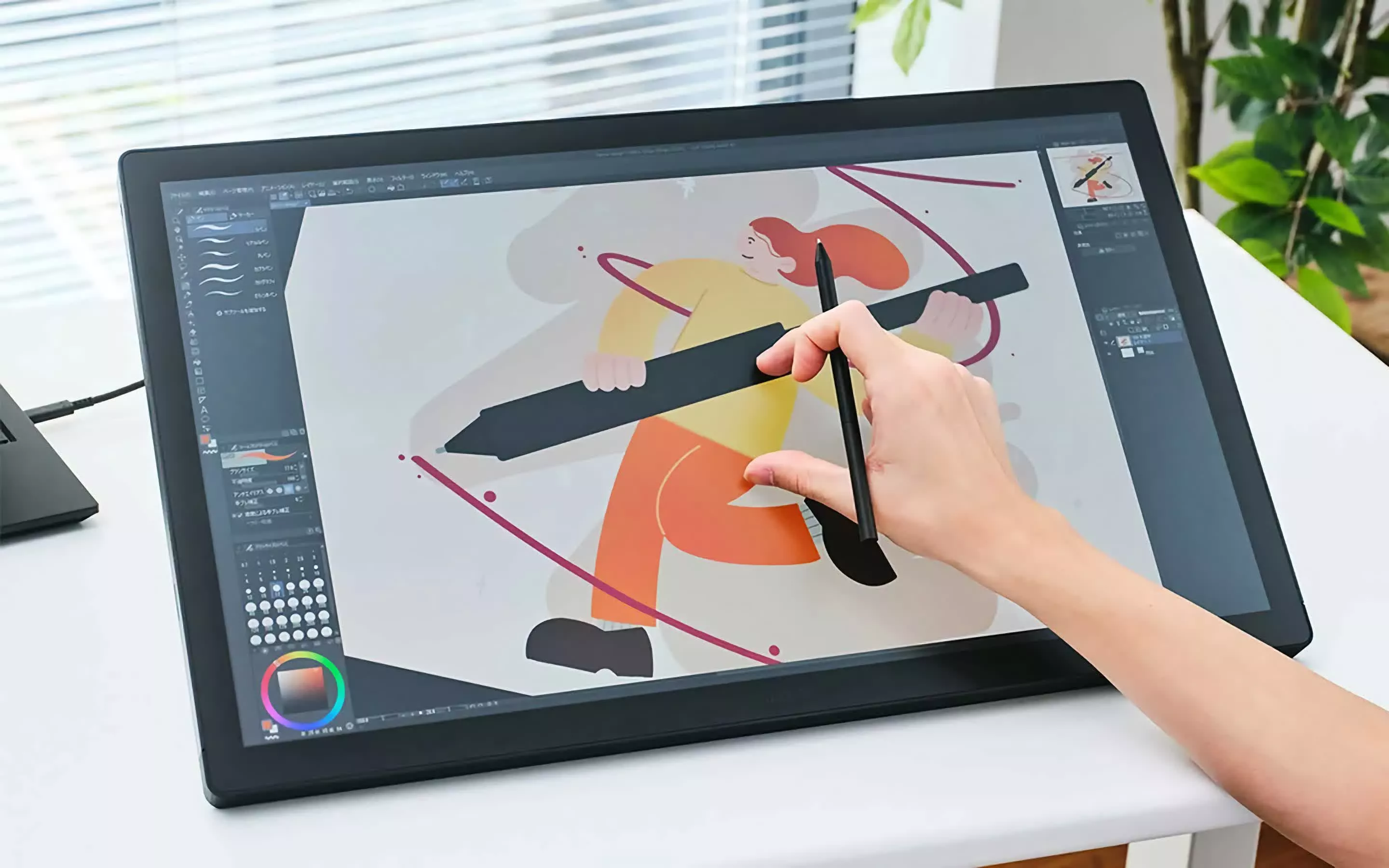
Wacom says going private will ease the pressure to deliver short-term results as it competes with cheaper Chinese rivals. One of them, Huion, launched a 27-inch 4K pen display last December for $2,199. The display even offers a higher refresh rate than Wacom's 27-inch Cintiq Pro, which still sells for $3,499.95.
.

Wacom's own tablet business has struggled in recent years, losing money for three consecutive years before returning to profitability last fiscal year. However, its larger business of supplying pen technology to other device makers has also been shrinking lately. Wacom partly blames a shortage of memory, saying sharply rising memory prices have weighed on demand from its customers.
MBK plans to launch its tender offer in mid-February, pending approval from competition regulators in Japan, Taiwan, and Australia. If everything goes according to plan, Wacom will be delisted by June 2027. Ide will remain at the helm afterward. Wacom says it plans to use MBK's financial backing and business network across Asia to expand its pen technology into new markets, including education and healthcare.