Poor graphics capabilities, as is common with all Snapdragon laptops
Limited functionality for AI features
Competitors and Related Products
Our editors hand-pick related products using a variety of criteria: direct competitors targeting the same market segment, or devices that are similar in size, performance, or feature sets.
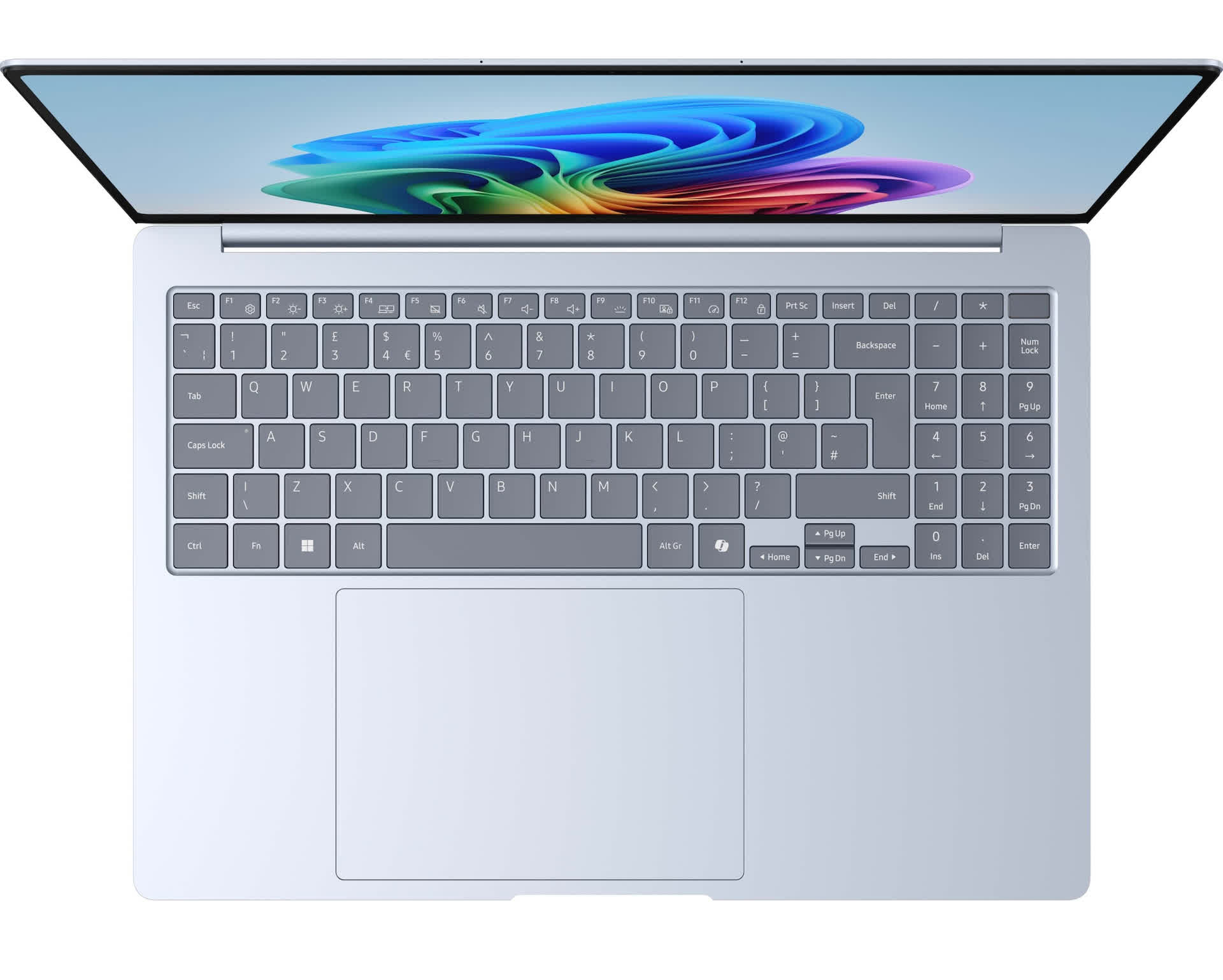
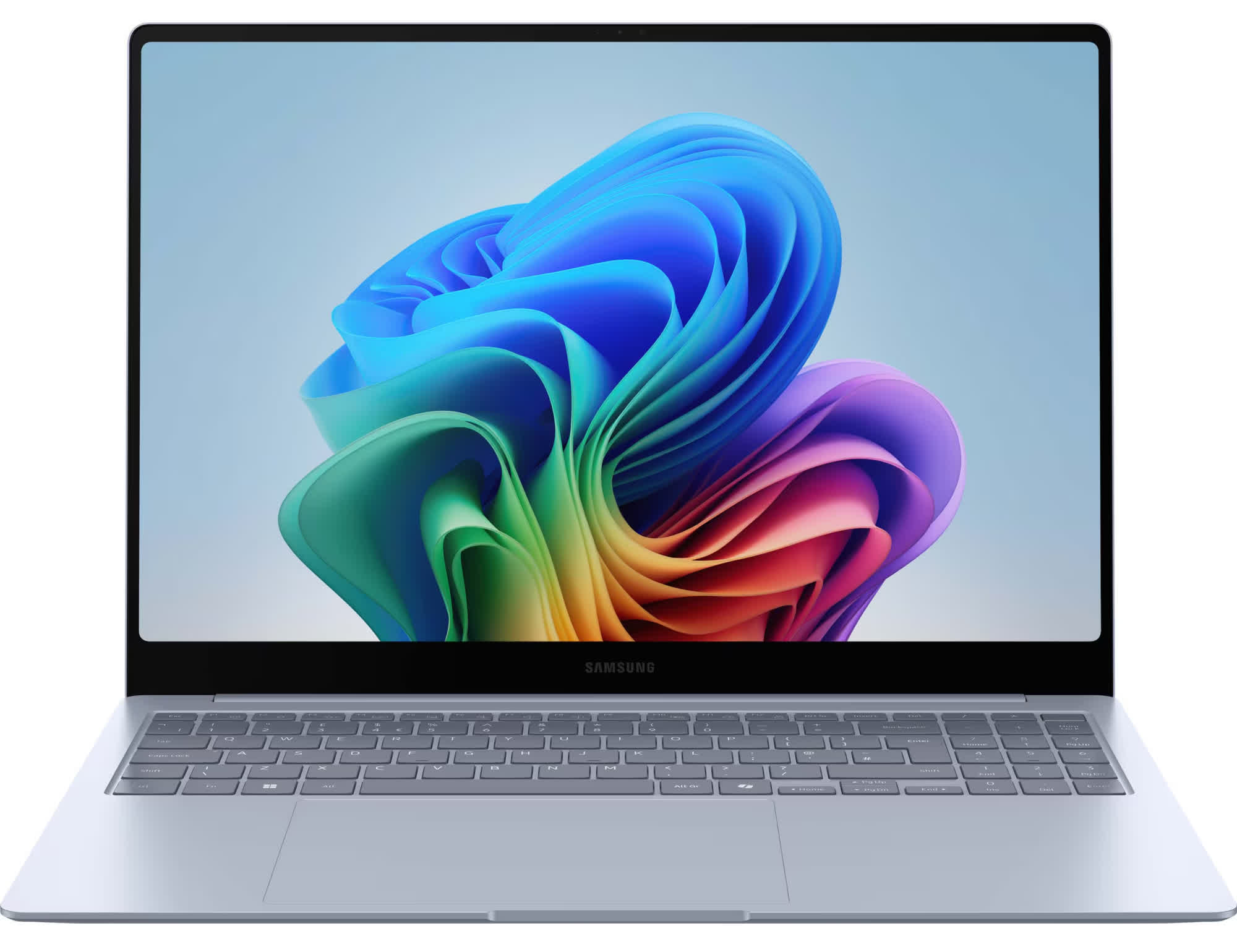
Samsung's Galaxy Book4 Edge succeeds as a zippy Copilot+ Windows 11 laptop that provides plenty of runway for productivity and personal tasks. You'll view it all on a vibrant and poppy 14-inch or 16-inch Dynamic AMOLED display, and the overall build is focused on being lightweight and portable. It even boasts exclusive ecosystem features for using a Galaxy Phone on the laptop or stretching your screen to a Galaxy Tab. However, we were expecting longer battery life and a more premium build for the price, which is higher than that of competing laptops.
Don't let the size mislead you: Samsung's Snapdragon X-based Galaxy Book4 Edge 16 is more of a portable desktop replacement than a content-creation laptop. But it is a fast, nicely made, and long-lasting AI PC pick if you're comfortable with Windows on Arm.
The Snapdragon processor makes the Book4 Edge one of the thinnest, lightest 16-inch Windows laptops you can get, with great battery life and performance. But power users who need a Windows laptop for creative work or gaming are still much better off with an AMD or Intel machine. Those machines will have better app compatibility and better graphics performance, even if, yes, you will have to trade at least a few hours of battery life. Asus’ Zenbook S 16, for instance, starts at $1,699. It has faster performance, comes with more RAM, and costs a little less than the Book4 Edge, but it’s about a third of a pound heavier and gets around 11 hours of battery instead of 14.
The Samsung Galaxy Book 4 Edge sees the South Korean manufacturer go all in on AI largely to great success. The Snapdragon X Elite processor delivers on its lofty promises of lengthy battery life, near-instant boot-ups, and snappy performance whether working or getting creative despite lacking graphics power.
Pros:
Cons: