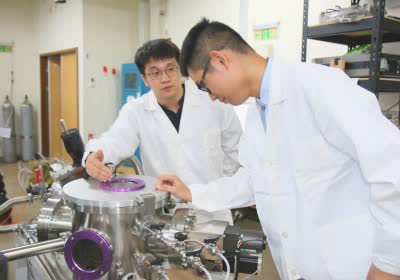
A tungsten breakthrough could finally make next-gen memory a reality
Why it matters: A team of researchers spanning Taiwan and the United States have combined materials science, device engineering, and process compatibility to address one of the most stubborn challenges in magnetic memory development. With the β-phase tungsten puzzle solved, the research presents a credible path toward mass-produced SOT-MRAM – a technology that until now had remained just beyond reach.
Why it matters: An interesting article posted at WikiChip discusses the severity of SRAM shrinkage problems in the semiconductor industry. Manufacturer TSMC is reporting that its SRAM transistor scaling has completely flatlined to the point where SRAM caches are staying the same size on multiple nodes, despite logic transistor densities continuing to shrink. This is not ideal, and it will force processor SRAM caches to take up more space on a microchip die. This in turn could increase manufacturing costs of the chips and prevent certain microchip architectures from becoming as small as they could potentially be.