A Florida county discovered 14 Flock cameras nobody authorized, and 11 remain unclaimed

Daniel Sims

Posts: 2,588   +79
Staff
What we know so far: Flock's AI-powered surveillance cameras have already drawn widespread controversy even when authorities fully disclose their deployment. Communities across the US are canceling contracts with the company due to concerns over privacy and police abuse. However, in some areas, officials have found more cameras than were authorized and don't always know who is watching through them.
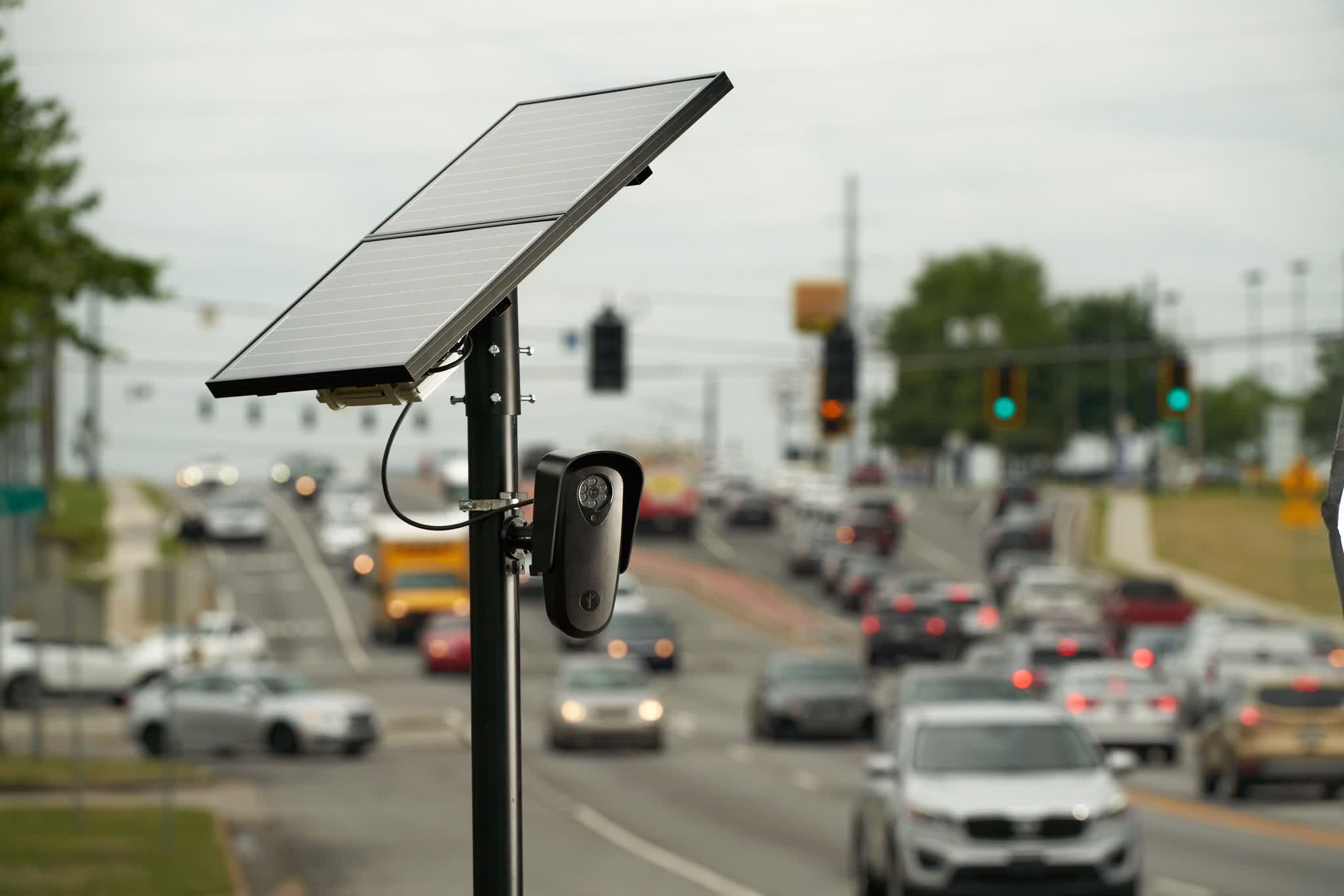
The latest case of unclaimed Flock cameras occurred in St. Lucie County, Florida. When officials began taking down the cameras after canceling the county's contract with the company, they discovered 14 extra cameras that the police say were not theirs.

The St. Lucie County's contract with Flock authorized 52 cameras, but officials found 66. St. Lucie County Sheriff's Office eventually admitted that three of the extra automatic license plate readers (ALPRs) were theirs but didn't explain how or why they deployed them without a permit, leaving 11 that no one, including the county's other two police departments, has claimed.

ALPRs like those from Flock and Axon use AI to read license plates from passing vehicles and automatically sort them into a searchable database, which authorities can use to track movements. When the cameras flag license plates connected to crimes or investigations (sometimes in error), officers can stop and search the vehicles without a warrant.
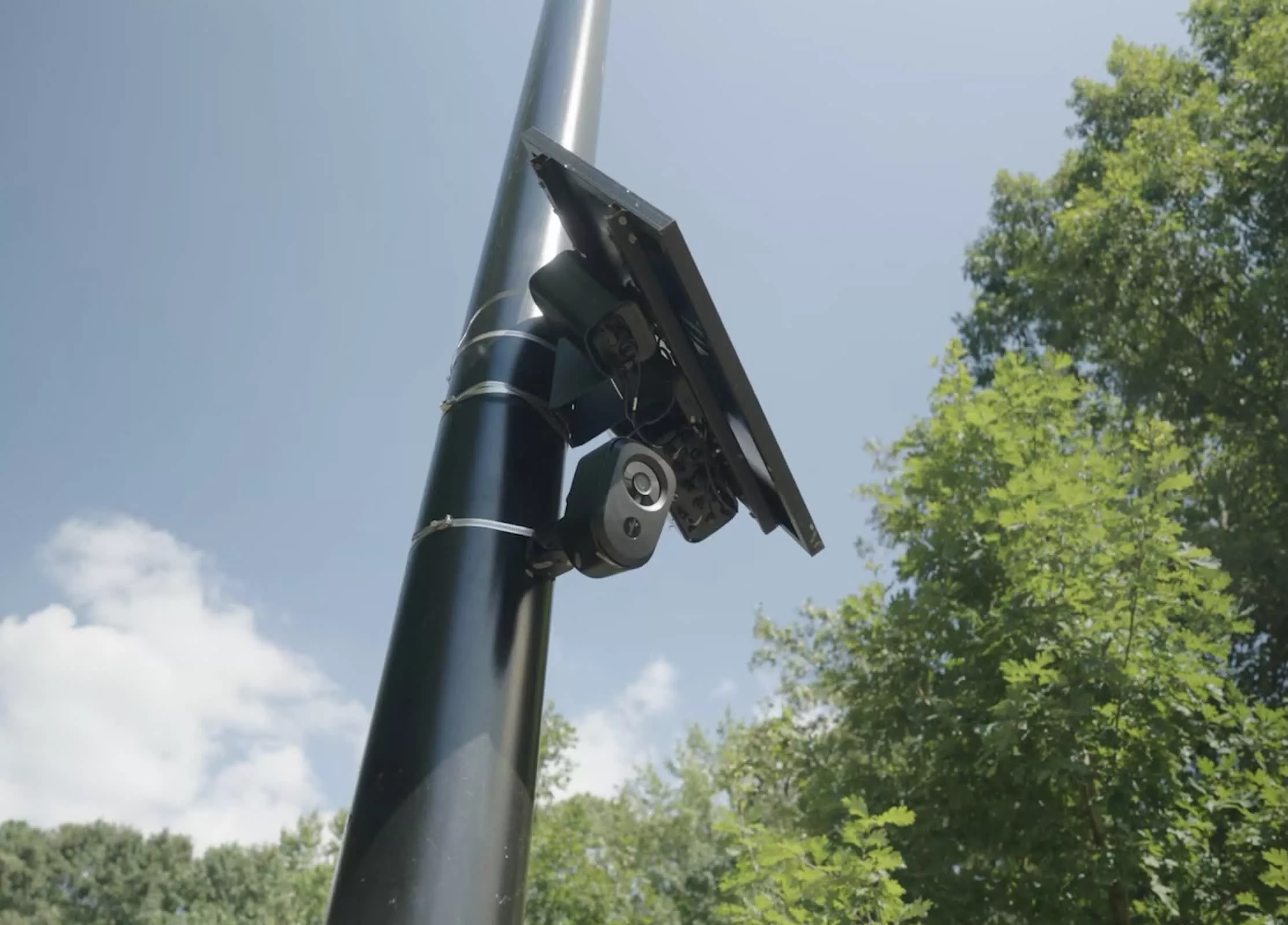
Obvious worries about mass surveillance have prompted hundreds of communities across the US to end their contracts with Flock, though it claims new contracts far outpace cancelations. Another concern is misuse by police – dozens of officers have been caught using ALPRs for stalking. In many places, citizens have taken it upon themselves to destroy the cameras.

St. Lucie County has covered the unclaimed cameras in plastic for the time being, attaching notices that officials will remove them in 30 days, a deadline that could expire between October 16 and October 20. One camera has already mysteriously disappeared, according to The Washington Post.

Concerningly, Flock cameras aren't necessarily exclusive to police departments and don't always require government permits. While Flock usually conducts permit negotiations and installations, private companies can sign contracts with the manufacturer, and a spokesperson confirmed they can place ALPRs in certain locations without permits.

Flock has installed cameras in several other states and communities without permits over the past few years, some on behalf of unknown clients. When Grass Valley, California, recently removed its ALPRs, Flock reinstalled some of them without informing officials.

In response to pushback, the company has placed greater restrictions on police database searches. By the end of the year, searches will require entering case numbers, but authorities can bypass the step in emergencies. A Florida congressman also recently introduced a bill that would require warrants to use ALPRs.

Permalink to story:

 
If people are this exploitive with something as mundane as video cameras I can't wait to see what wonderful things will unfold for robots and how little control the average citizen of a democracy will have over any of it.
 
TechSpot said:
Concerningly, Flock cameras aren't necessarily exclusive to police departments and don't always require government permits. While Flock usually conducts permit negotiations and installations, private companies can sign contracts with the manufacturer, and a spokesperson confirmed they can place ALPRs in certain locations without permits.
Oh so if you want to install surveillance cameras on private property, you think you should be required to get a permit to do so? You realize in the US this has never been needed, right?

Have you heard of Ring, SimpliSafe, Vivint, and Nest? These all use AI to monitor your cameras and analyze footage. They will detect your face just like ALPR's do with license plates, generate metadata just like ALPR's do with vehicles, and send the owner an alert just like ALPR's.

Have you heard of Tesla? Each one includes a half a dozen outward facing cameras that record anyone who gets to close to them AND they're on public property. No permits, so scary!!1
 
Assuming these are cameras illegally installed on public infrastructure, the police can't contact Flock to determine who they are registered to / who receives their data?
 
Why can't they be removed right away. Surely it is illegal to just leave stuff, regardless if its cameras or bags of trash?

Also, those 3 that did belong to the police after all - that sounds like something that should be looked into rather than just given a pass. But I guess it depends on your view on privacy vs. surveillance.
 
A Florida congressman also recently introduced a bill that would require warrants to use ALPRs.
Isn't this basically just a tacit admission that Flock was being used to bypass the 4th Amendment against Unreasonable Search and Seizure? Like, why even have a Bill of Rights, if the government is just going to use private companies to find ways around them? To maintain the pretense of "civil liberty" and "due process"? Does anyone actually believe those are still relevant anymore?

I'd actually respect the government more, if they just came out and said they don't matter, "it's the 21 century, don'tcha know? The Bill of Rights, just like those 'straight white heteronormative patriarchal slave-owning tyrants' who created, it had their time, but that's over. We've moved beyond the whims of the 'Founding Fathers' and their outdated ideas about how to run society. We know better now..." I'd still hate them for doing it, but I would respect the sheer tenacity. Because as far as I'm concerned, the only difference between freedom and imprisonment—at this point, in the history of the world—is whether or not the chains are visible. We're all incarcerated inside this open-air prison of a madhouse that purports to be a " free society". Some of us just see the fence more clearly.
 
Last edited:
Back