Police want Axon's cameras redesigned so they don't get mistaken for Flock's

Daniel Sims

Posts: 2,608   +79
Staff
Ripple effect: As Flock's AI-powered surveillance cameras become increasingly unpopular across the US, many communities have pivoted to another provider, Axon. To help Axon's cameras avoid the same backlash, some law enforcement clients have floated an idea: making surveillance cameras look less like surveillance cameras.
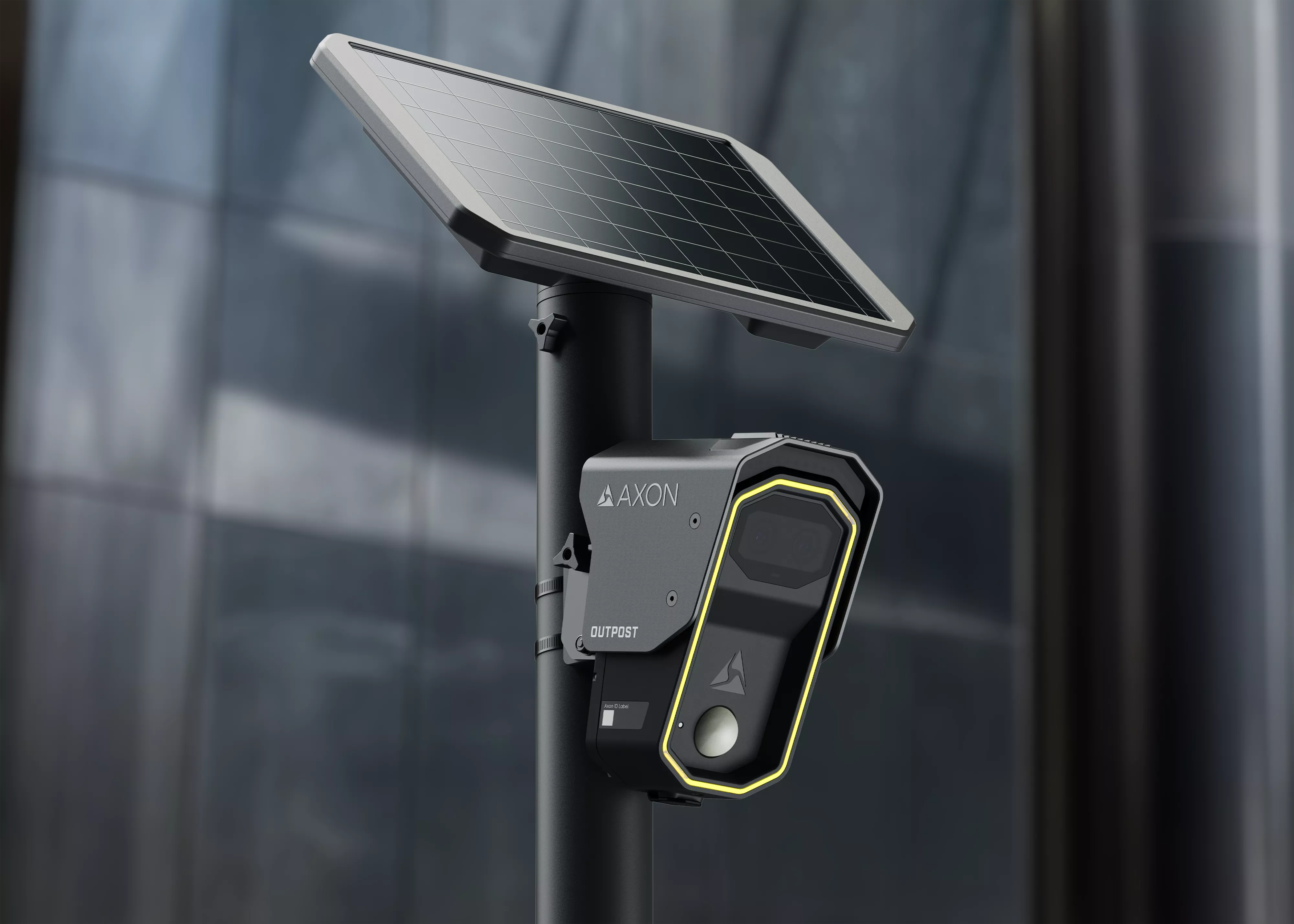
Axon is currently exploring design changes to its Automatic License Plate Readers (ALPRs) to avoid becoming the next target of people destroying Flock cameras. The strategy, among others under consideration, suggests surveillance companies are making real efforts to get ahead of the rising negative press from mass surveillance opponents.

Primarily known for supplying police departments across the US with body cameras, Axon also makes ALPRs that resemble Flock's. Cameras from both companies automatically log license plates from passing vehicles into searchable databases, but Flock became the face of the technology as its devices spread to thousands of communities.

As privacy advocates began destroying Flock cameras and hundreds of communities canceled their contracts with the company, some simply replaced the cameras with Axon's.

However, Axon's pole-mounted ALPRs closely resemble Flock's, so authorities are unsurprisingly concerned they could become targets, too. The topic came up in a now-deleted webinar Axon held last week, which YouTuber MegaraMedia downloaded before it was taken down and shared with 404 Media.

When an audience member asked whether Axon was considering changing the appearance of its cameras to resemble Flock's less, CEO Rick Smith said the company is looking at changing their shape after many customers requested a different look.

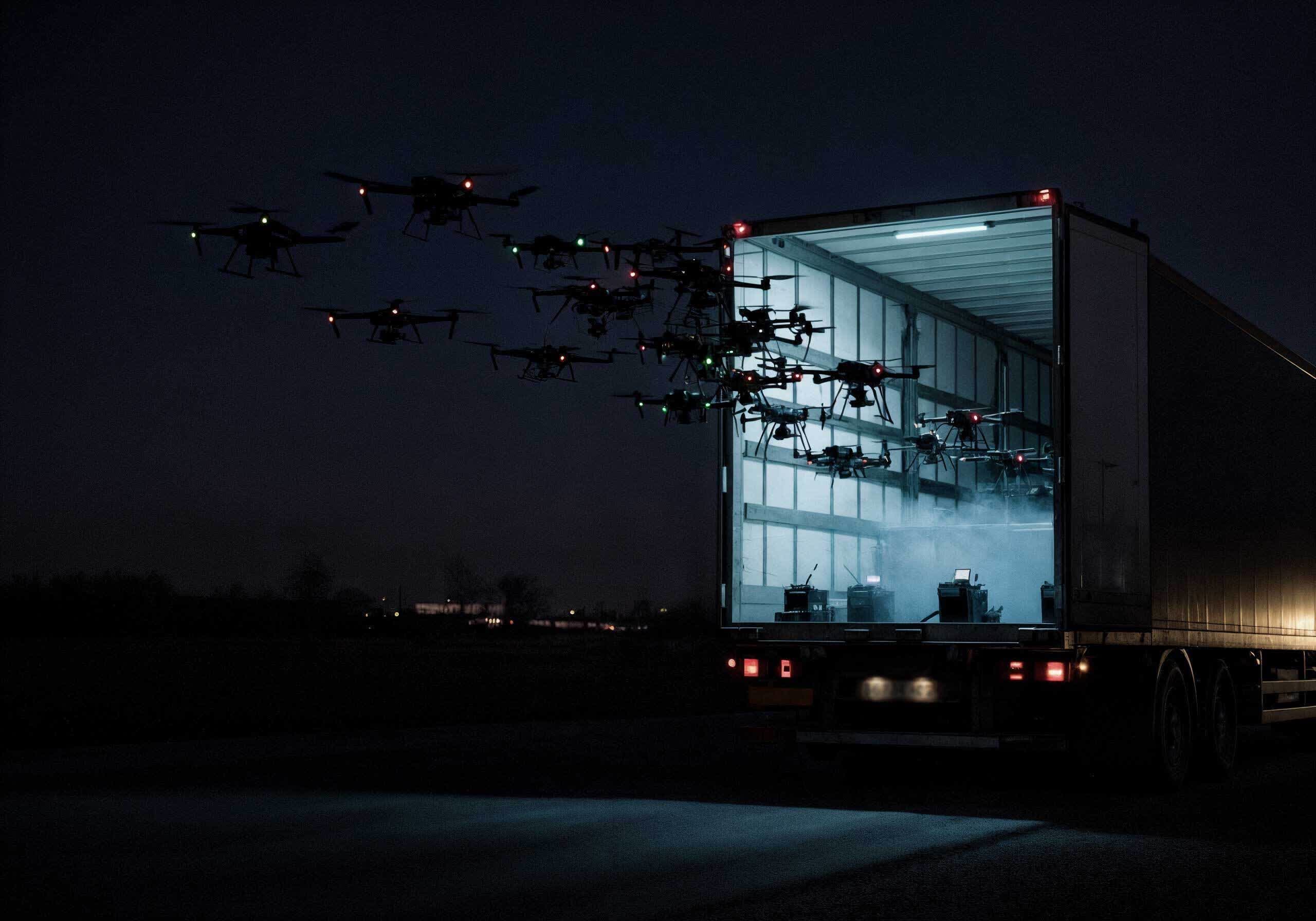
Axon's Lightpost program also aims to place cameras on streetlights, making them harder to reach. Another strategy could move in the opposite direction, with signs that explicitly label the cameras and explain a community's ALPR policy. Flock and Axon are also pursuing drone-based surveillance.
AI-powered surveillance cameras have come under scrutiny because they let authorities track the movements of vehicles and people. However, prior reports suggest they often misread license plates, and more than a dozen officers have been caught using them to stalk former romantic partners.

As the cameras become increasingly infamous, some departments have instructed officers to avoid mentioning their deployment whenever possible. Although hundreds of cities across the US have canceled contracts with Flock over the past several years, the company claims new contracts outpace cancellations by around 10 to one.

Permalink to story:

 
making surveillance cameras look less like surveillance cameras.
This is such an asinine take. The problem with these cameras, according to law enforcement, isn't their implementation. It's their identification.

I understand that law enforcement benefits from a comprehensive overview of the comings and goings of its citizens, but there is also that undercurrent of "distrust" that runs the entire length of this conversation. They wouldn't need to disguise their surveillance tools, if people weren't so against law enforcement using them.

It would be a better expenditure of resources to rebuild the trust between the public and police officers, rather than using technology to keep them "controlled and at a distance".
 
They wouldn't need to disguise their surveillance tools, if people weren't so against law enforcement using them.
People are not against law enforcement using them, exactly the opposite - they feel safe. The article itself says "new contracts outpace cancellations by around 10 to one", and the vast majority of the 'cancellations' are merely expired contracts.

This whole Flock thing is a nothingburger.
Everything about cancellations, outrage, backlash blah blah blah is entirely made up.The acts of a handful of loony activists are presented as some sort of a nationwide revolt. It's an attempt to make it happen by gaslighting the public it's already happening everywhere .. meanwhile people keep installing the cameras to keep their communities safe.
 
People are not against law enforcement using them, exactly the opposite - they feel safe.
If people were universally in favor of being monitored by police, then "talk to police, during an investigation" would be sound advice. It's not, though, and everyone knows it. The fact of the matter is, the United States is currently a low-trust society. People don't like law enforcement, because they believe they are being monitored―not being regular citizens, going about their lives, but as potential criminals, waiting to be "caught lacking"―and that power imbalance puts people on edge.

They don't know who they can and cannot trust, so when law enforcement's response to "people hate these cameras, because they look like those other cameras that are already hated" is "we need to conceal them better", rather than "we need to be an element of society that the public can trust, so that the cameras are not needed", you can see how that might rub people the wrong way.
The article itself says "new contracts outpace cancellations by around 10 to one", and the vast majority of the 'cancellations' are merely expired contracts.
The article references a statement made by Flock―the company that makes the cameras people go out of their way to destroy. Of course they're going to sugarcoat that claim with 10 different kinds of sweetener, by saying "yes, our contracts are being cancelled pretty fast, but...they are being renewed even faster."

You think Flock would willingly put out a statement, basically confirming the protests are working? I sure don't.
 
If people were universally in favor of being monitored by police, then "talk to police, during an investigation" would be sound advice. It's not, though, and everyone knows it. The fact of the matter is, the United States is currently a low-trust society. People don't like law enforcement, because they believe they are being monitored―not being regular citizens, going about their lives, but as potential criminals, waiting to be "caught lacking"―and that power imbalance puts people on edge.

They don't know who they can and cannot trust, so when law enforcement's response to "people hate these cameras, because they look like those other cameras that are already hated" is "we need to conceal them better", rather than "we need to be an element of society that the public can trust, so that the cameras are not needed", you can see how that might rub people the wrong way.

The article references a statement made by Flock―the company that makes the cameras people go out of their way to destroy. Of course they're going to sugarcoat that claim with 10 different kinds of sweetener, by saying "yes, our contracts are being cancelled pretty fast, but...they are being renewed even faster."

You think Flock would willingly put out a statement, basically confirming the protests are working? I sure don't.
People are universally in favor of being safe, not monitored. The police neither installs nor constantly monitors these things. The local communities install them, and the police checks them when needed.
"People don't like law enforcement" is BS. Criminals aside, it may be true for a fringe minority (until they meet the criminals, that is).
Safety is quickly becoming synonymous with surveillance, because we live in a low-trust society. People are in favor of trust, not safety. They want to trust the people in their community, but they don't.

No one wants a nanny state. But, bad actors have effectively convinced the general public that their options are "authoritarian state control" or "lawless anarchy", as if there is no middle ground. Because the middle ground requires work at the local level. It requires neighbors to not be strangers, but that is work and work is hard. So, it doesn't happen.

Better just to stay insulated, in your own little safety bubble.
 
People are universally in favor of being safe, not monitored. The police neither installs nor constantly monitors these things. The local communities install them, and the police checks them when needed.
"People don't like law enforcement" is BS. Criminals aside, it may be true for a fringe minority (until they meet the criminals, that is).

Members of the police have literally been found to be using them to stalk people
 
Safety is quickly becoming synonymous with surveillance, because we live in a low-trust society. People are in favor of trust, not safety. They want to trust the people in their community, but they don't.

No one wants a nanny state. But, bad actors have effectively convinced the general public that their options are "authoritarian state control" or "lawless anarchy", as if there is no middle ground. Because the middle ground requires work at the local level. It requires neighbors to not be strangers, but that is work and work is hard. So, it doesn't happen.

Better just to stay insulated, in your own little safety bubble.
All this is nonsense. Safety is not synonymous with surveillance, and society as a whole can't be low-trust or high-trust. People are not 'in favor of trust', you either trust someone or don't no matter what you are in favor of. People protecting their communities with various technologies don't want a nanny state, and the state has absolutely nothing to do with these decisions, they're local. Nobody believes they have to choose between authoritarian control and anarchy.
 
Members of the police have literally been found to be using them to stalk people
Yes, there are anecdotal cases of police officers stalking girlfriends or ex's. So?
This is not the police or the state monitoring you, but a guy trying to solve a personal problem in a wrong way. As catching this type of misuse is ridiculously easy and now everyone knows it, it's gone.
 
"Those who would give up essential Liberty, to purchase a little temporary Safety, deserve neither Liberty nor Safety."
Benjamin Franklin Founding Father. 🙄
I wonder if those who are pro surveillance state are they also pro ice having access to that feed?
 
Yes, there are anecdotal cases of police officers stalking girlfriends or ex's. So?
This is not the police or the state monitoring you, but a guy trying to solve a personal problem in a wrong way. As catching this type of misuse is ridiculously easy and now everyone knows it, it's gone.
It’s not anecdotal they’ve been shown to be doing it and some have been arrested for it.

When is it misuse and when is it an abuse of the system though? They’ve been using it as a warrantless dragnet which isn’t what it’s supposed to be for.
 
Yes, there are anecdotal cases of police officers stalking girlfriends or ex's. So?
This is not the police or the state monitoring you, but a guy trying to solve a personal problem in a wrong way. As catching this type of misuse is ridiculously easy and now everyone knows it, it's gone.
It's not gone, officers are still actively being caught abusing these systems.

You also have the growing number of report software innocent people pulled over by15 armed cops because flock flagged them as being involved in some random violent crime.

Sadly, it will likely take someone dying as a result of flock failures before states FINALLY clamp.down on their use and efficacy.
 
Yes, there are anecdotal cases of police officers stalking girlfriends or ex's. So?
This is not the police or the state monitoring you, but a guy trying to solve a personal problem in a wrong way. As catching this type of misuse is ridiculously easy and now everyone knows it, it's gone.
So you work for Flock, right? I've never seen some bend over backwards like this for free.
 
People are universally in favor of being safe, not monitored. The police neither installs nor constantly monitors these things. The local communities install them, and the police checks them when needed.
"People don't like law enforcement" is BS. Criminals aside, it may be true for a fringe minority (until they meet the criminals, that is).
Actually there are no innocent people. Have you heard of "three felonies per day" us has 25% of all the prisoners in the world. If the police are able to track you they can find all kinds of criminal acts.
The problem is that even if you trust the police they dont trust you. They are trained to escalate situations and to entrap you when you are questioned by them. They see you as the other.
 
Members of the police have literally been found to be using them to stalk people
Straw man. The implication that police should be somehow immune from making improper decisions that abuse authority is absurd. There will always be abuses of power because, HUMAN. The concept that we don’t use technologies available to catch criminality because *gasp* somebody might use it to improperly monitor their ex is insane.

Nobody is giving a pass to abuse. Abuse of power is a crime like any other and should be dealt with in the same way as any other (or even more strictly). But we should be seeking to strengthen laws and better monitor/track access to surveillance tech, not do away with it because of a minority of bad actors.
 
Straw man. The implication that police should be somehow immune from making improper decisions that abuse authority is absurd. There will always be abuses of power because,
That’s not what a strawman is. The issue is the system can be abused and has been thousands of times before someone was caught.
Nobody is giving a pass to abuse. Abuse of power is a crime like any other and should be dealt with in the same way as any other (or even more strictly). But we should be seeking to strengthen laws and better monitor/track access to surveillance tech, not do away with it because of a minority of bad actors.
Aside from its entire agencies using it as a dragnet and it can’t even read plates correctly at an acceptable rate.
 
That’s not what a strawman is. The issue is the system can be abused and has been thousands of times before someone was caught.

Aside from its entire agencies using it as a dragnet and it can’t even read plates correctly at an acceptable rate.

Fair enough, 'straw man' wasn’t the right term. What I meant is that you are flattening reality into a one-dimensional argument: 'some bad actors did a bad thing, therefore the tool itself is bad.'

By that logic, we should ban police cruisers too because officers occasionally use them to speed or chase people unlawfully. That’s a flat view of how society and policy function—reality is far more complicated..

You’re also shifting the goalposts by pivoting to accuracy rates. If a tool has a high error rate or is being used as an illegal dragnet, those are failures of implementation, calibration, and judicial oversight. They are problems to be solved with strict auditing, legal guardrails, and technical standards—not reasons to completely abandon a technology that helps catch actual criminals.

I’m not arguing for police to have broad power to abuse. I’m saying that abandoning law enforcement tools because someone might (or has) abused them is the wrong approach. Your definition of "acceptable" doesn’t sound reasonable to me if the proposed method of resolving the issue isn't to improve the tool, but to axe it entirely. I disagree with that approach.
 
Last edited:
Fair enough, 'straw man' wasn’t the right term. What I meant is that you are flattening reality into a one-dimensional argument: 'some bad actors did a bad thing, therefore the tool itself is bad.'

That sounds like a pretty one-dimensional view of how society and policy function. By that logic, we should ban police cruisers too because officers occasionally use them to speed or chase people unlawfully.
If something is easily exploitable then people will exploit it.
You’re also shifting the goalposts by pivoting to accuracy rates. If a tool has a high error rate or is being used as an illegal dragnet, those are failures of implementation, calibration, and judicial oversight. They are problems to be solved with strict auditing, legal guardrails, and technical standards—not reasons to completely abandon a technology that helps catch actual criminals.
You don’t need it to catch actual criminals though and you don’t need it to log and save every licence plate it sees either. It’s just costly and potentially illegal warrantless searches.
 
If something is easily exploitable then people will exploit it.
Right. So make stricter access. Policy.

You don’t need it to catch actual criminals though and you don’t need it to log and save every licence plate it sees either. It’s just costly and potentially illegal warrantless searches.

Saying we "don't need" a technology to catch criminals is regressive, IMO. We don't "need" DNA evidence, fingerprint databases, or security cameras either—but they make law enforcement exponentially more effective at solving crimes like kidnappings, human trafficking, vehicle theft, etc.

Scanning a license plate in plain view on a public road is not remotely the same as a warrantless search. There is no expectation of privacy for a government-issued identifier displayed on the outside of a vehicle on public property. The issue isn't the act of scanning; it's the data retention policies. I agree we need strict limits on how long that data is saved and who can access it. But demanding a total ban because a system requires strict policy limits is throwing the baby out with the bathwater.

The fact that a tool needs strict protocols to prevent exploitation doesn't mean it has no utility. The logging and retention of data is exactly where legislative guardrails come in—we need to focus on passing laws restricting how long data is stored and requiring judicial warrants to search historical logs. We should fix the policy; not ban the tool.
 
Last edited:
Right. So make stricter access. Policy.
How about a warrant like anything else.
Saying we "don't need" a technology to catch criminals is regressive, IMO. We don't "need" DNA evidence, fingerprint databases, or security cameras either—but they make law enforcement exponentially more effective at solving crimes like kidnappings, human trafficking, vehicle theft, etc.
Actually you require forensics to increase your chances of charging the correct person. The accuracy of it it’s 99.99% certain in DNA and yet there’s still swathes of people who get wrongfully sentenced. The accuracy of this is far below that.
Scanning a license plate in plain view on a public road is not remotely the same as a warrantless search. There is no expectation of privacy for a government-issued identifier displayed on the outside of a vehicle on public property. The issue isn't the act of scanning; it's the data retention policies. I agree we need strict limits on how long that data is saved and who can access it. But demanding a total ban because a system requires strict policy limits is throwing the baby out with the bathwater.

The fact that a tool needs strict protocols to prevent exploitation doesn't mean it has no utility. The logging and retention of data is exactly where legislative guardrails come in—we need to focus on passing laws restricting how long data is stored and requiring judicial warrants to search historical logs. We should fix the policy; not ban the tool.
It is quite literally the same as they’re not just scanning it are they.
 
Actually there are no innocent people. Have you heard of "three felonies per day" us has 25% of all the prisoners in the world. If the police are able to track you they can find all kinds of criminal acts.
The problem is that even if you trust the police they dont trust you. They are trained to escalate situations and to entrap you when you are questioned by them. They see you as the other.
"Three Felonies a Day" was a book making ridiculous hyper- hyperbolized claims about the theoretically possible (but not observed in real life) consequences of hyper -complex and unnecessary regulations. This has nothing to do with Flock cameras and similar tech.
It's the local communities who decide to install them in order to reduce crime (a goal undoubtedly achieved), not the police or 'the government'. There is no nefarious grand plan. It's also the local communities who decide how the data is used and for how long it's retained. In many places they keep it for 72 hours or a week, and can change it to whatever they like.
Flock simply collects data and puts it in a database, following the rules established by their customers.
 
All this is nonsense. Safety is not synonymous with surveillance, and society as a whole can't be low-trust or high-trust. People are not 'in favor of trust', you either trust someone or don't no matter what you are in favor of. People protecting their communities with various technologies don't want a nanny state, and the state has absolutely nothing to do with these decisions, they're local. Nobody believes they have to choose between authoritarian control and anarchy.
Literally everything you just said is wrong.

I did not say "is", I said "becoming".

Society absolutely can majority low- or high-trust; it's the difference between assuming you will be robbed if you turn your back to a congregation of people in broad daylight and being able to leave your keys on the sidewalk, knowing that nobody would steal them. The United States used to be high-trust, but it has since become quite low-trust. We have cultivated a society of division and "in-group vs out-group"―whether we want to admit it or not. We have clear divides across every dimension of existence and no obvious way to solve any of them.

People do sure seem to want a nanny state, because they find it easier for the state to intervene on their behalf than the resolve problems amongst themselves. America is a sue-happy nation, more than obliging to frivolous lawsuits to quench people's insatiable desire for victim hood and validation.

If you dispute any of this on the grounds of "I don't see anything here", then you're either not paying attention or observing only the exclusive microcosm of problems in your local area. We are not a local-only country and we haven't been for decades. What happens in one states, one municipality, propagates outwards and affects everyone.

Living under a rock is increasingly no longer viable, try as we might. We don't have to go searching for trouble. It finds us.
There is no nefarious grand plan.
Not obviously, no. There are only disparate, unrelated actions from unrelated groups, that all seem to coalesce around similar ideas and move in the same direction. That's kind of the point, though. People are expecting "the Illuminati", or some other invisible, unseen "hands of fate" to move the wheel of society: a distinct group with hierarchies and chapters, with members all around the world, knowingly and intentionally effecting the world on a grand stage. It's what conspiracies are made of.

It doesn't have to be that elaborate, though, for a "group" to move as one without knowing the constituent members of its collision: you could have a group of complete strangers, with cells around the world, all relatively unknown to each other but still somehow acting in unison by shared ideology. No single figurehead or leader, yet all operating under the same belief system. But, because they don't have knowledge of each other, they cannot be linked together and thus there is no actual "grand plan".
 
It's not gone, officers are still actively being caught abusing these systems.

You also have the growing number of report software innocent people pulled over by15 armed cops because flock flagged them as being involved in some random violent crime.

Sadly, it will likely take someone dying as a result of flock failures before states FINALLY clamp.down on their use and efficacy.
As ICE killings has shown, it will take more than several being killed. I'd say it will take the republicans to lose power to bring change.
 
Back