Forward-looking: In parts of Germany and Poland, lithium exploration is moving away from remote deserts and salt flats and toward active industrial sites – directly beneath the battery plants that could eventually use the material. Atana Elements, a US-based exploration company, is betting that the future of lithium supply could be far more localized.
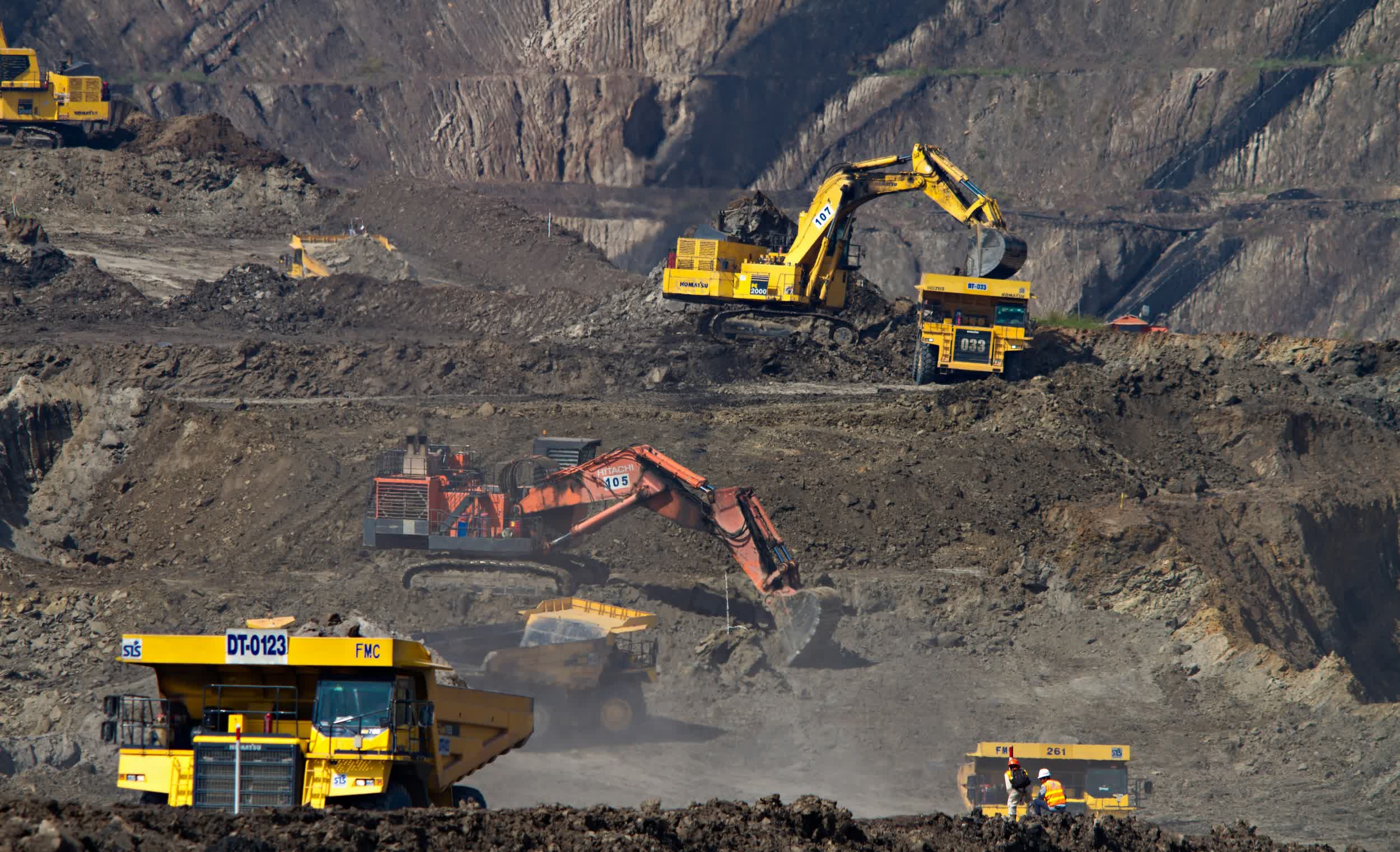
Using historical geological data and AI-driven analysis, the company identified prospective lithium-bearing areas spanning roughly 1.5 million acres around Salzgitter and Wroclaw. Both regions are home to major battery manufacturing facilities, including a plant linked to Volkswagen's battery subsidiary and another operated by LG Energy Solution.
The strategy is simple: search for lithium deposits near the factories that will ultimately need the material. "You've got all these markets here that are worried about where their feedstock is going to come from and suddenly you've got these minerals that sit underneath them," chief executive Tom Wilson, chief executive Tom Wilson, told the Financial Times.
Atana's approach differs primarily in how it uses data. The company combines historical oil and gas, geothermal, and mining records with AI tools to identify areas that may contain lithium reserves. Rather than starting from scratch, it is reanalyzing existing geological datasets.
Its extraction method also differs from conventional hard-rock mining. Atana was spun out of Lilac Solutions, a company that developed technology for extracting lithium from saline brine deposits rather than hard-rock sources.
The technology remains in the early stages of development and is part of a broader effort to commercialize alternative lithium extraction methods.
The timing is not accidental. Europe has been funding projects aimed at securing local supplies of critical minerals. While lithium itself is relatively abundant, much of the world's processing capacity is concentrated in China, a situation that has raised concerns in both Europe and the United States.
"You can see Europe getting worried about where all these minerals are coming from," Wilson said, citing energy shocks caused by the war in Ukraine, trade war with China and the Strait of Hormuz crisis.

Producing lithium closer to battery factories could help shorten supply chains and align with the European Union's efforts to develop domestic sources of critical materials.
Still, Atana's plans remain at an early stage. The company estimates it could extract around 26 million tonnes of lithium over roughly 20 years based on existing geological data. Drilling has yet to begin, and any project will require permits and compliance with environmental and safety regulations.
The economics are also uncertain. European deposits tend to be deeper and more complex, which can make them more expensive to develop. "These [resources] are deeper and in jurisdictions that cost a bit more to develop, but there is certainly enthusiasm in Europe to develop these resources because of all the issues with critical mineral and supply chain security," Wilson said.
At the same time, demand for lithium continues to rise. According to the International Energy Agency, lithium demand has grown by roughly 30% annually this decade. Forecasts from Wood Mackenzie, Project Blue, Fastmarkets, and Mysteel suggest demand could reach between 3.6 million and 6.3 million tonnes per year within the next decade, up from 1.1 million tonnes last year. Some analysts warn that existing supply projects may struggle to keep pace beyond the mid-2030s.
After an earlier wave of investment, some projects were delayed and several partnerships fell apart. Automakers, however, are beginning to re-engage. Atana has held discussions with venture capital arms affiliated with carmakers, though none participated in its latest $27.5 million funding round led by Lowercarbon Capital. BMW said its previous investment in Lilac "was not tied to any specific project or supply arrangement," while Volkswagen declined to comment.
Whether Atana's model can work at scale remains uncertain. But the premise – using AI to identify lithium deposits beneath existing demand centers and then extracting the resource with newer processing technologies – offers a different approach to resource development. If successful, it could bring lithium production closer to battery manufacturing and help reduce reliance on long, complex supply chains.
A startup is using AI to find lithium deposits directly beneath Europe's battery factories


