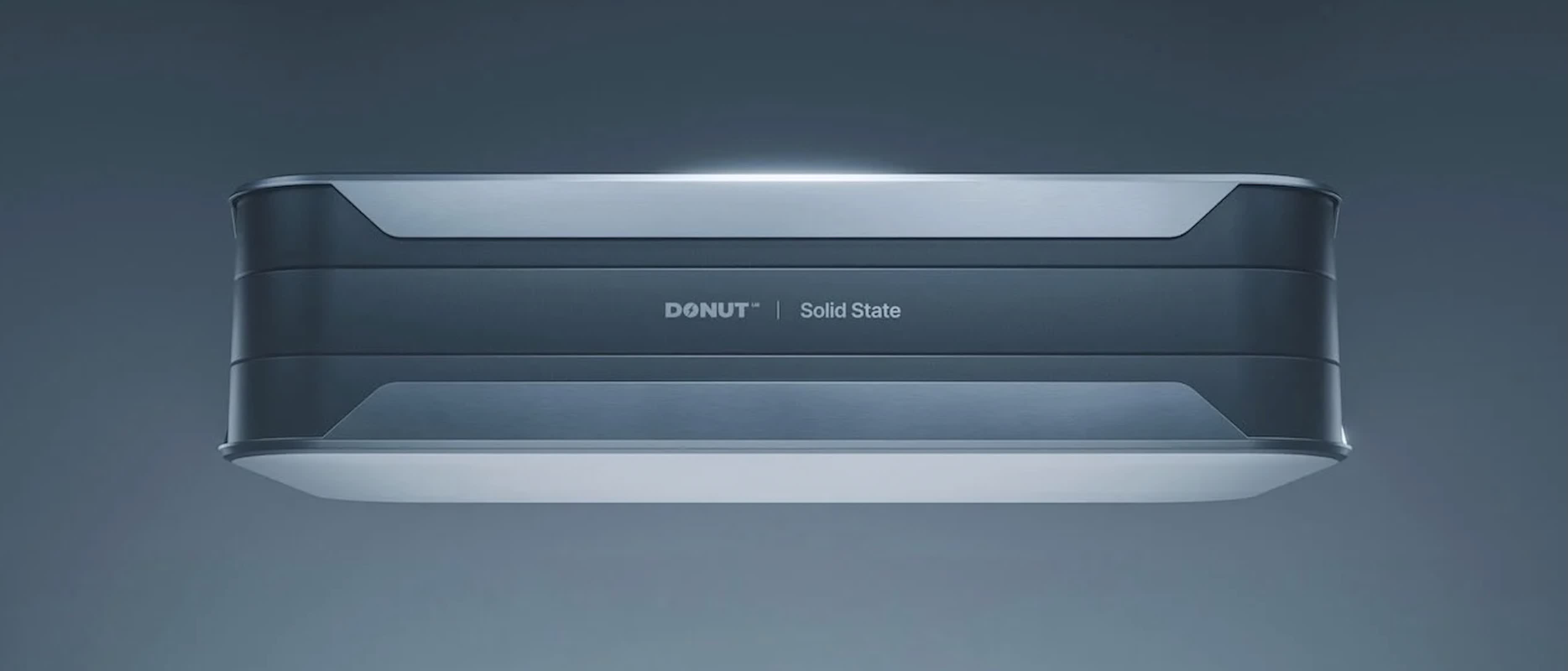
WTF?! Eye-catching battery claims are nothing new, but some deserve closer scrutiny. According to an investigation led by independent researcher Ziroth and supported by more than 20 battery experts, the much-hyped Donut Lab solid-state battery appears to be something far more familiar: a lithium-ion cell.
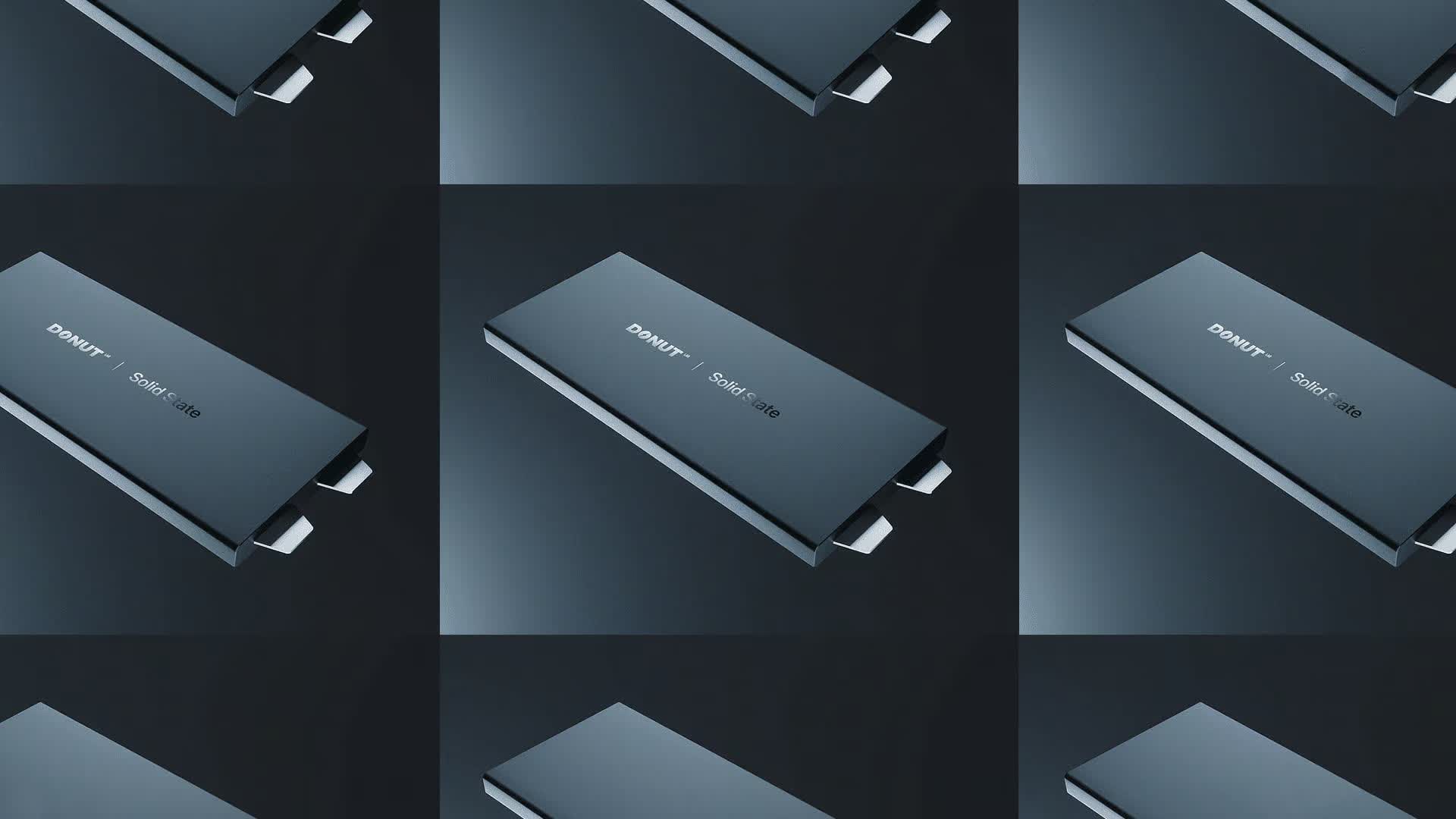
The conclusion doesn't rest on speculation or anonymous sources. Instead, it comes down to how the battery behaves under testing. Data from Finland's VTT, including voltage curves and expansion measurements, consistently points to lithium-ion chemistry rather than the sodium-ion solid-state design the company claimed.
Start with the voltage. At around 50% charge, the tested cell measures between 3.7 and 3.8 volts. That's typical for lithium-ion batteries, particularly high-nickel NCM chemistries. Sodium-ion cells generally operate at lower voltages and do not reach that range under similar conditions. On its own, that discrepancy raises questions. Combined with the second line of evidence, it becomes much harder to dismiss.
The second clue is the cell's physical expansion during charging. As ions move into the anode, the material expands in predictable ways. Lithium-ion batteries with graphite anodes exhibit a distinctive "kink" in the expansion curve midway through charging, reflecting how lithium ions arrange themselves within graphite's layered structure. The Donut Lab cell exhibits the same pattern.
This detail is particularly significant because sodium ions are too large to intercalate into graphite in the same way. In other words, if the expansion curve matches that of a graphite anode, the underlying chemistry is almost certainly lithium-ion. As the investigation puts it, "it's like we have a slightly noisy fingerprint and a picture of the suspect's face. And yet again, it's a match."
The numbers reinforce that conclusion. Based on the test data, the cell's energy density is roughly 298 Wh/kg – respectable for a lithium-ion battery, but well short of the 400 Wh/kg figure Donut Lab promoted.
The technical findings also trace the battery's origins to CT Coatings, a German company described in the report as holding an unusual mix of patents, many of them unrelated to advanced battery technology. CT Coatings was presented as the technology provider, Nordic Nano as the manufacturer, and Donut Lab as the company bringing the product to market. According to the investigation, however, Nordic Nano has yet to manufacture a battery cell.
Some of the experts involved were blunt in their assessments. Julian Zanau of the Fraunhofer Research Institute told Electrek: "The first impression I got was that these people have no idea how a battery actually works. They were talking about no rare earth metals in their batteries and therefore no lithium, and to any chemist lithium has nothing to do with rare earth minerals."
The report also raises questions about how the technology was vetted. Rather than relying on independent validation, Donut Lab appears to have conducted its own due diligence. That approach drew criticism from former Nordic Nano executive Lauri Peltola, who argued that neither company had the battery expertise needed to independently verify such claims.
Beyond the laboratory, the investigation points to inconsistencies in how the technology was presented publicly. Donut Lab said it had delivered a production vehicle in early 2026. However, internal communications cited in the report indicate that the first motorcycles were intended for Verge's own fleet to refine manufacturing processes – a stage typically considered pre-production rather than customer delivery.
In later comments to Finnish media, CEO Marko Lehtimäki acknowledged that the cells tested by VTT were not the ones intended for customer vehicles. He also indicated that the headline performance figures had not yet been achieved by the batteries destined for production.
The financial side of the story adds another layer. Donut Lab raised about $25 million from more than 1,300 investors, many of them small shareholders who participated through earlier crowdfunding campaigns tied to Verge Motorcycles. After restructuring around its battery technology, the company's valuation climbed sharply, reaching $1.25 billion following its CES debut.
Investor communications leaned heavily on the promise of a breakthrough battery, including projections of significant near-term returns. At the same time, internal emails cited in the investigation show the company asking its technology partner to provide evidence that those performance claims could be met.
Finnish authorities are now reportedly looking into the matter. For engineers and industry observers, it serves as a reminder that bold battery claims still have to withstand basic diagnostic testing – and in this case, the evidence points to a far more conventional technology.
Experts say Donut Lab's "breakthrough" solid-state battery is just ordinary lithium-ion


