
In context: Many users favored Amazon's earlier Fire TV devices over Apple TV and Roku because Amazon's Android-based Fire OS supported unofficial Android apps – though that same openness also drew accusations of enabling piracy. Now, as Amazon shifts to a more closed operating system, one of its executives is leaning on a familiar defense: "protecting users."
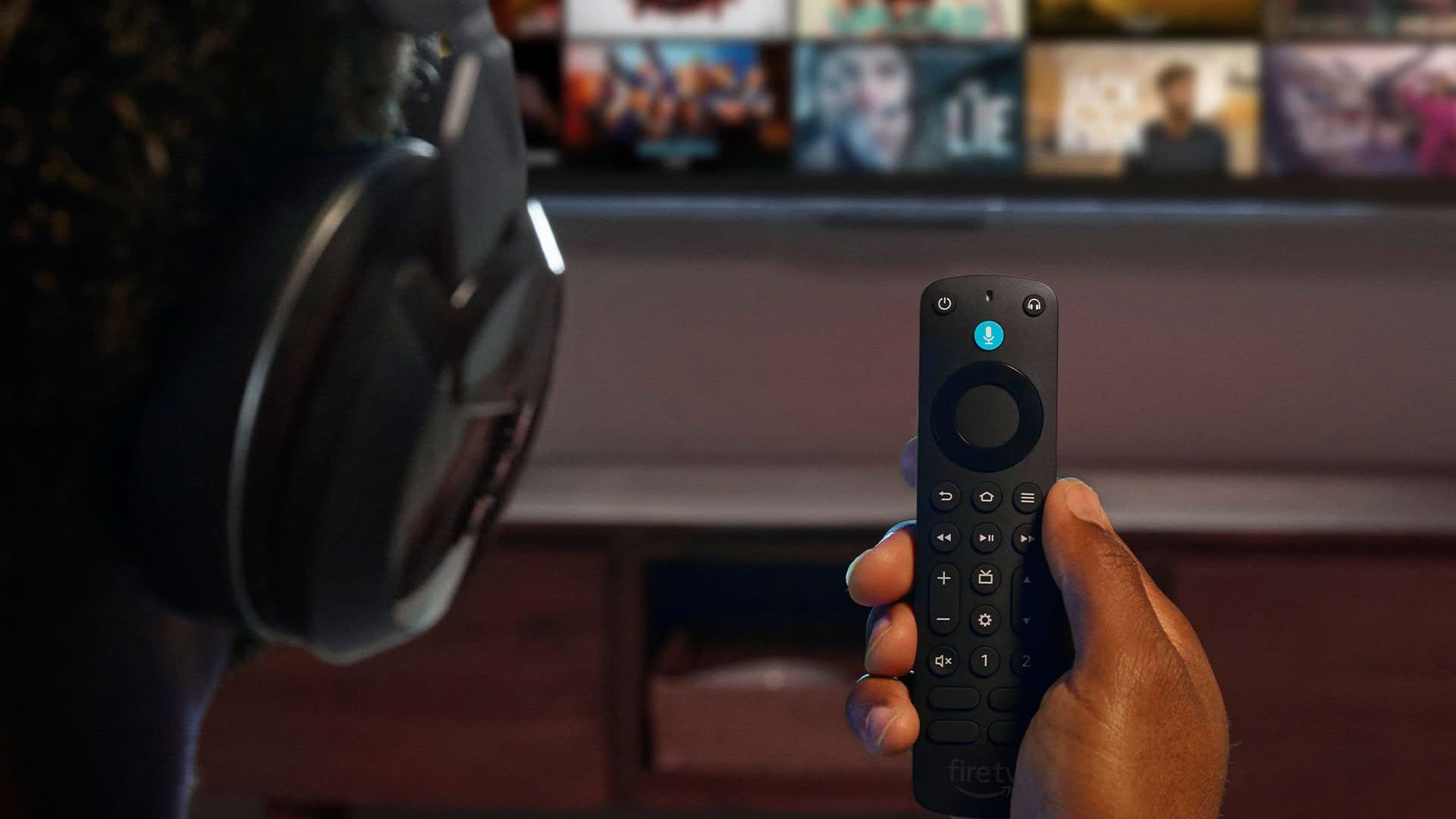
In a recent interview with Cord Busters, Aidan Marcuss, Amazon's VP of Fire TV, warned that sideloaded apps can carry malware and enable piracy. He stopped short of explicitly linking piracy concerns to the decision to restrict sideloading on newer Fire TV devices, but the connection is hard to miss.
The change came with Amazon's switch to a new operating system last fall. Because the company's previous platform, Fire OS, was forked from Android, it could run apps from outside Amazon's app store, the Google Play Store, or any other source, giving Fire TV sticks access to a broader range of software than Roku or Apple TV.

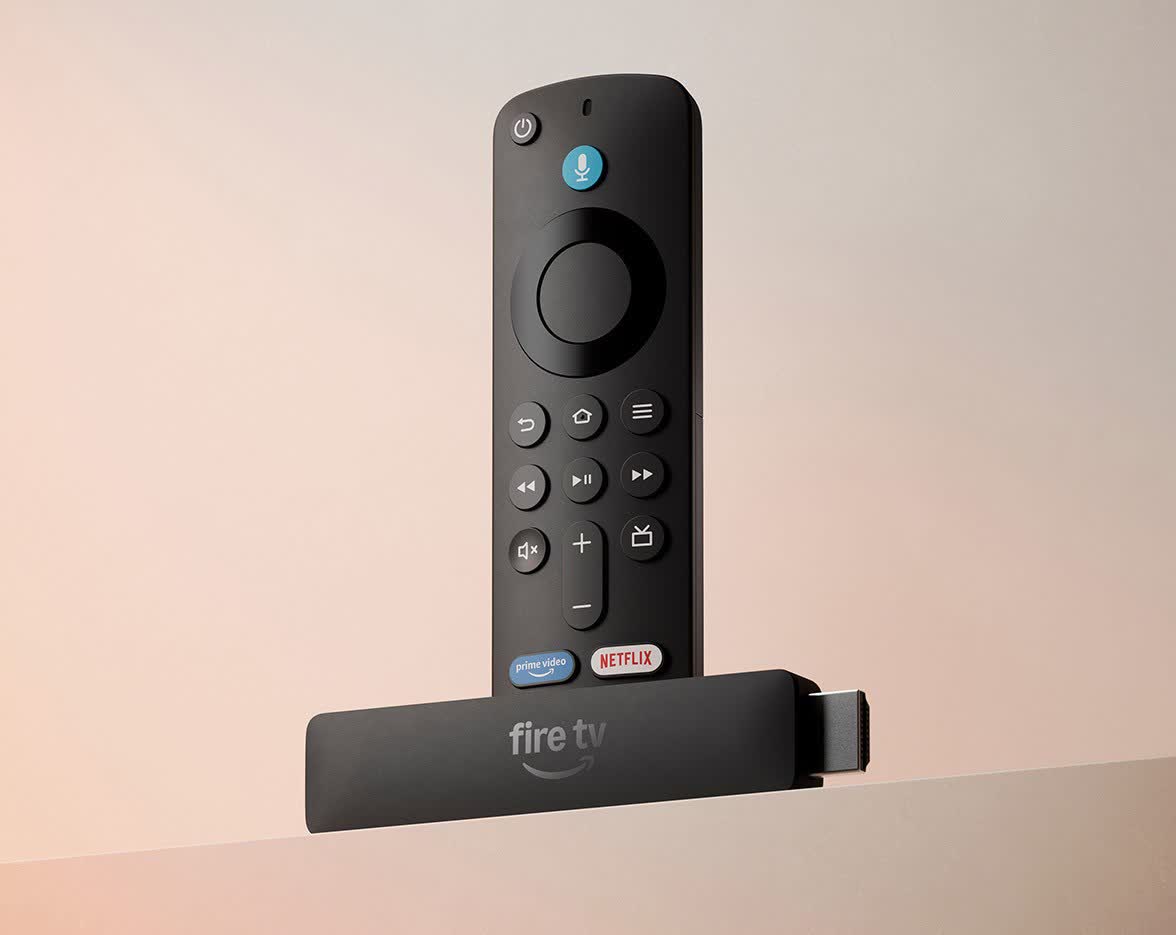
That changed with the budget-priced Fire TV Stick 4K Select, unveiled last September and released the following month, which introduced Amazon's new Vega OS. The Linux-based system improves performance and supports more modern apps, but limits users to Amazon's own app store. According to the company's developer website, Vega is set to become the standard across future Fire TV sticks.
As Ars Technica notes, content providers and researchers have long blamed sideloaded Fire TV apps as a driver of piracy, particularly unofficial sports streams. Marcuss didn't address that directly, but he framed Vega as a way to both protect users and push the platform forward.
The reasoning mirrors arguments Apple has made for years. Whenever regulators push the company to open up iPhone and iPad software ecosystems, Apple warns that doing so raises the risk of malware and scams.
Google is following a similar, if softer, path with Android. Sideloading won't disappear entirely on future Android devices, but Google is adding new friction around it.
Developer registration has been rolling out since earlier this year, and starting in September, apps in select markets will need to come from verified developers to install normally. A parallel safeguard – a multi-step "advanced flow" for installing apps from unregistered developers – is set to launch for users in August, with the broader verification requirement expanding globally next year. The extra steps are designed to deter all but the most savvy power users.
Ars also notes that registered Fire TV developers can still sideload apps on Vega. Whether that process is as simple as, say, entering developer mode to access unofficial apps on a Meta Quest headset remains to be seen.
Amazon says restricting Fire TV sideloading is about safety. It's also about piracy


