The big picture: People can behave unpredictably in emergency situations, which can make it harder for first responders to assess what's really happening. Google is rolling out a new security feature designed to close that gap. Available on most Android devices, the option gives emergency services a clearer, real-time view of a situation, helping them respond more effectively when someone is in distress.
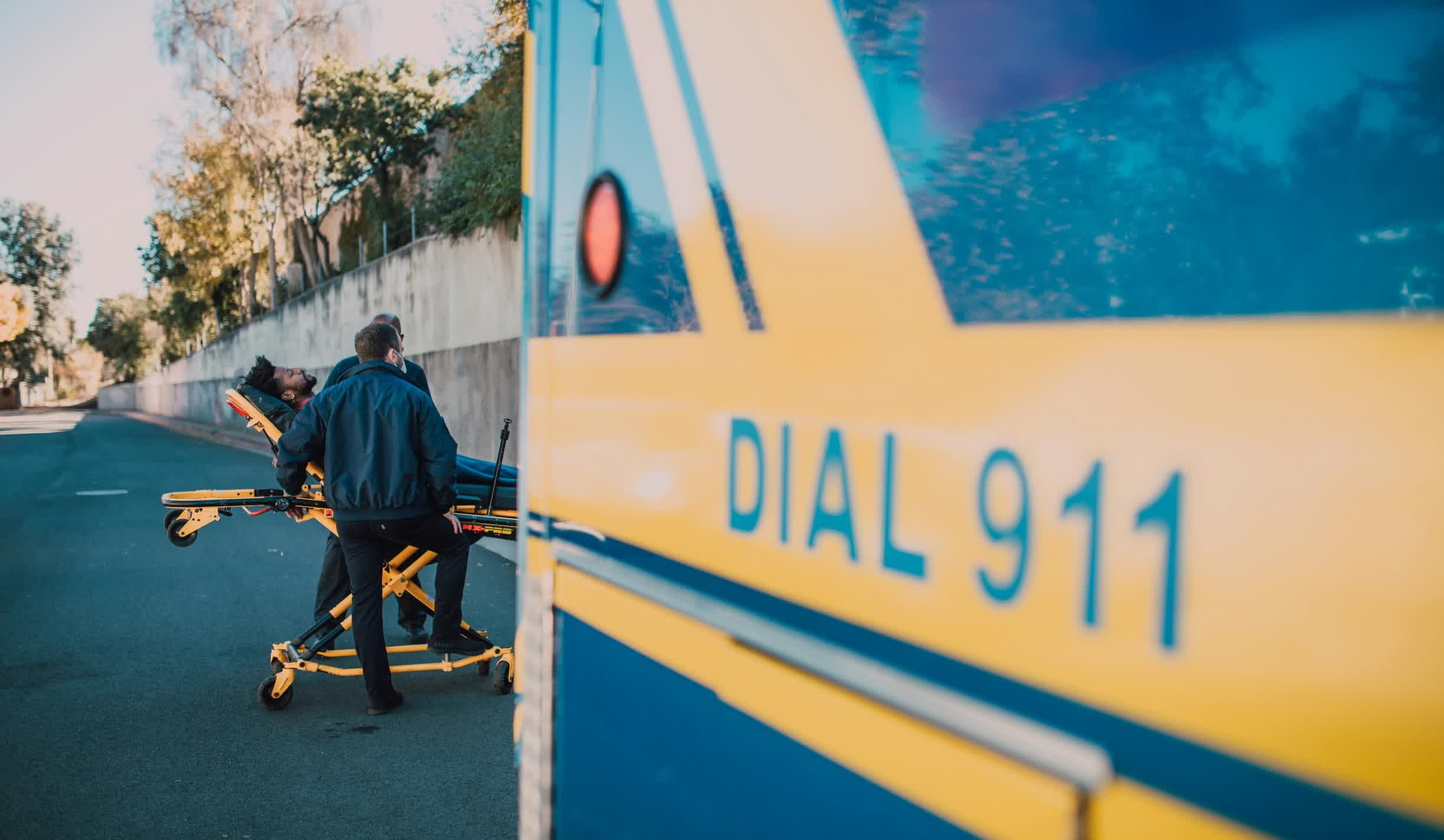
Mountain View's latest update turns Android smartphones into a powerful safety tool with the rollout of Android Emergency Live Video (ELV) across the US. Google explains that ELV allows users to quickly share a live video feed with 911 or other emergency services – a potentially crucial aid in dangerous or high-stress situations.
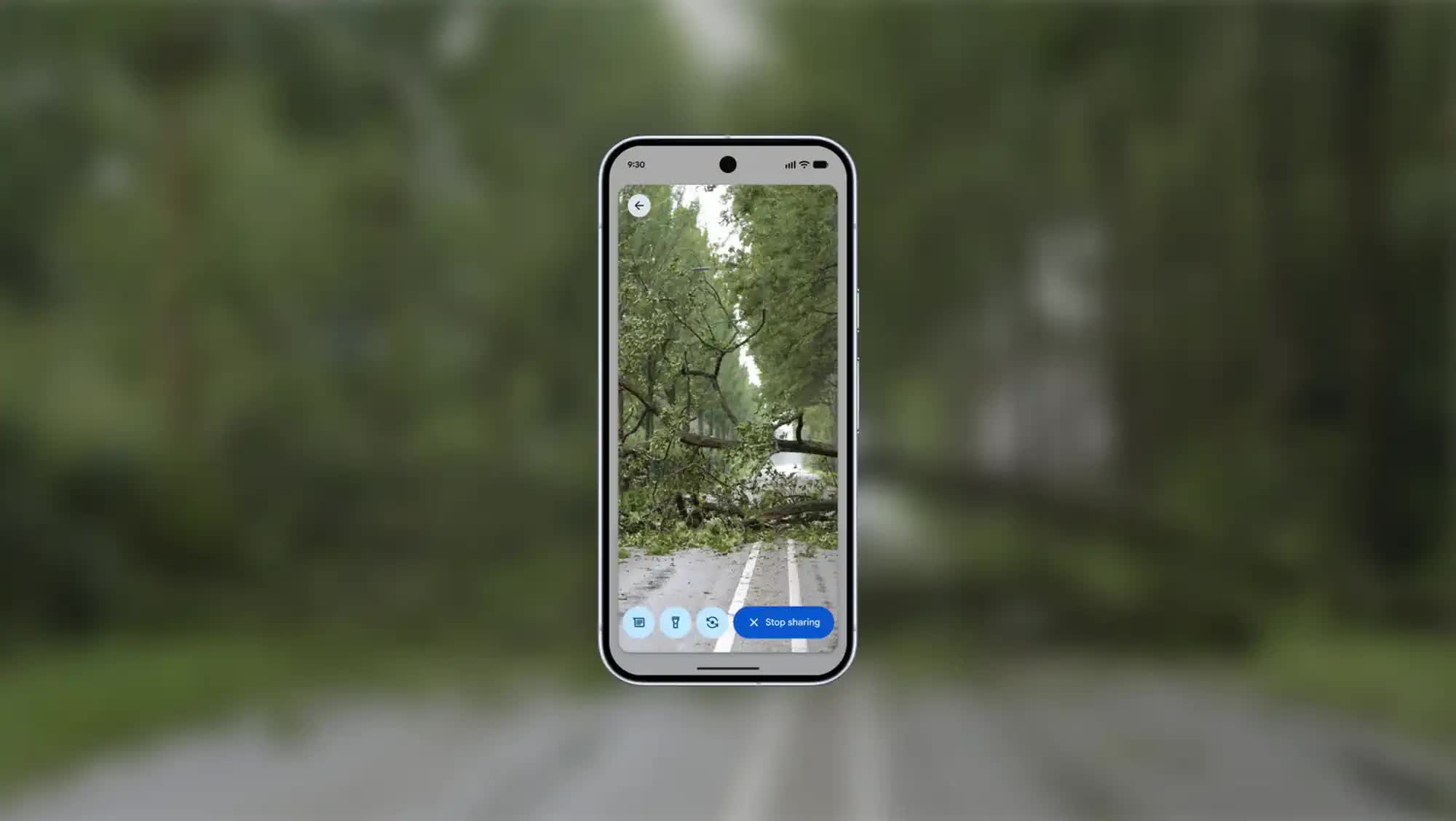
Android ELV is designed to assist people facing imminent danger, whether from a car accident, medical emergency, rapidly spreading wildfire, or other critical events. After calling or texting emergency services, users may be prompted to share a live video by tapping a single pop-up window. Google says the video feed provides responders with vital information to assess the situation more effectively.
The live feed can also help emergency personnel guide the user through quick, potentially life-saving procedures such as CPR. Android ELV is designed to require no setup and be extremely easy to use, recognizing that stressful situations can make navigating complex phone interfaces difficult. The video call is encrypted by default, and users can stop sharing at any time.
Google said ELV builds on the company's existing work to enhance safety and emergency response in critical situations. Android and Pixel devices can already share accurate locations via Emergency Location Service, detect car crashes or unexpected falls, and send SOS text messages through satellite networks.
Android ELV is currently rolling out in Germany, Mexico, and on select US emergency platforms, including RapidSOS, Motorola Solutions, and Prepared911, Google engineers confirmed. The feature requires Android 8+ and Google Play services and is expected to expand to additional regions over time.
Mountain View is positioning Android ELV as a new "standard" safety feature across its mobile and wearable ecosystem. However, the company is already behind competitors – Apple introduced a similar capability over a year ago, launching Emergency SOS Live Video with the iOS 18 update.
Android phones can now share live video with 911 during emergencies


