Editor's take: Google's latest Android enterprise update adds RCS Archival, a tool that lets organizations intercept, archive, and retain messages sent through Google Messages on work-managed Pixel phones. The feature is designed for compliance and legal discovery, but it also reshapes expectations for privacy in encrypted workplace texting.
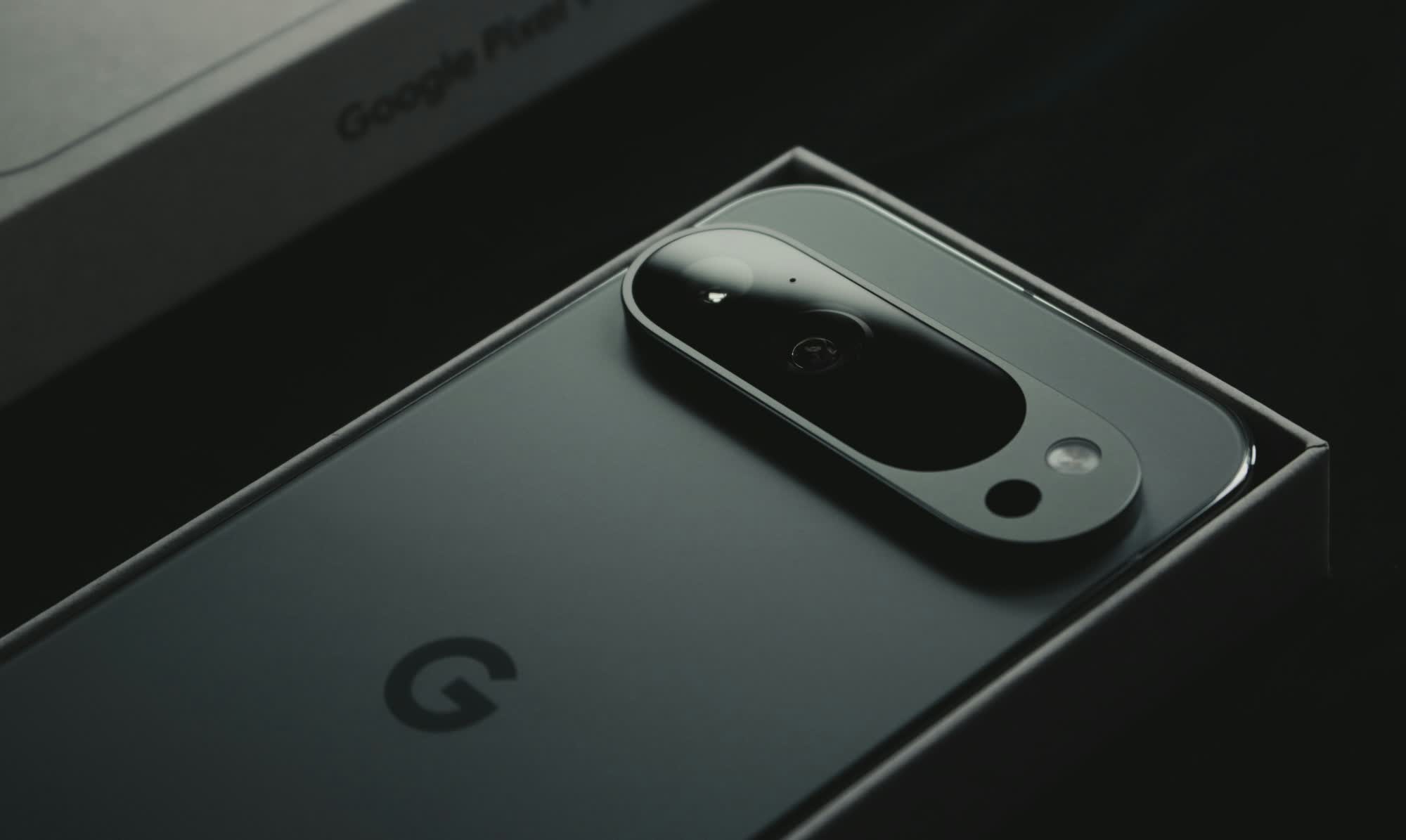
Rich Communication Services is Google's modernization of SMS and MMS for Android. It offers read receipts, typing indicators, and end-to-end encryption, positioning it as a secure replacement for the older texting standards.
While that encryption protects messages in transit, it does not secure them once they arrive. Until now, this limitation had little practical impact. Older enterprise tools relied on carriers that could not access the encrypted content, making archiving difficult. Google's RCS update changes that.

Forbes notes that under the new framework, approved archiving applications can integrate directly with Google Messages on Android Enterprise phones. Once an administrator enables the feature, the app can monitor message events – including when an RCS text is sent, received, edited, or deleted – and copy a readable version of each message for company records. In effect, messages remain encrypted in transit but are fully viewable once they land on a company-managed phone.
Google describes the new capability as a reliable, Android-supported method for archiving messages, highlighting its compatibility with both legacy SMS and modern RCS messaging. The company notes that the feature is intended for regulated industries – finance, healthcare, and others bound by strict record-keeping rules – but its documentation clarifies that any organization managing Android devices can use it.
Google states that employees will receive a visible notification on their screens when RCS Archival is active. The visible alert ensures employers cannot enable message retention without staff awareness. However, the transparency message does not offer the employee an opt-out option.
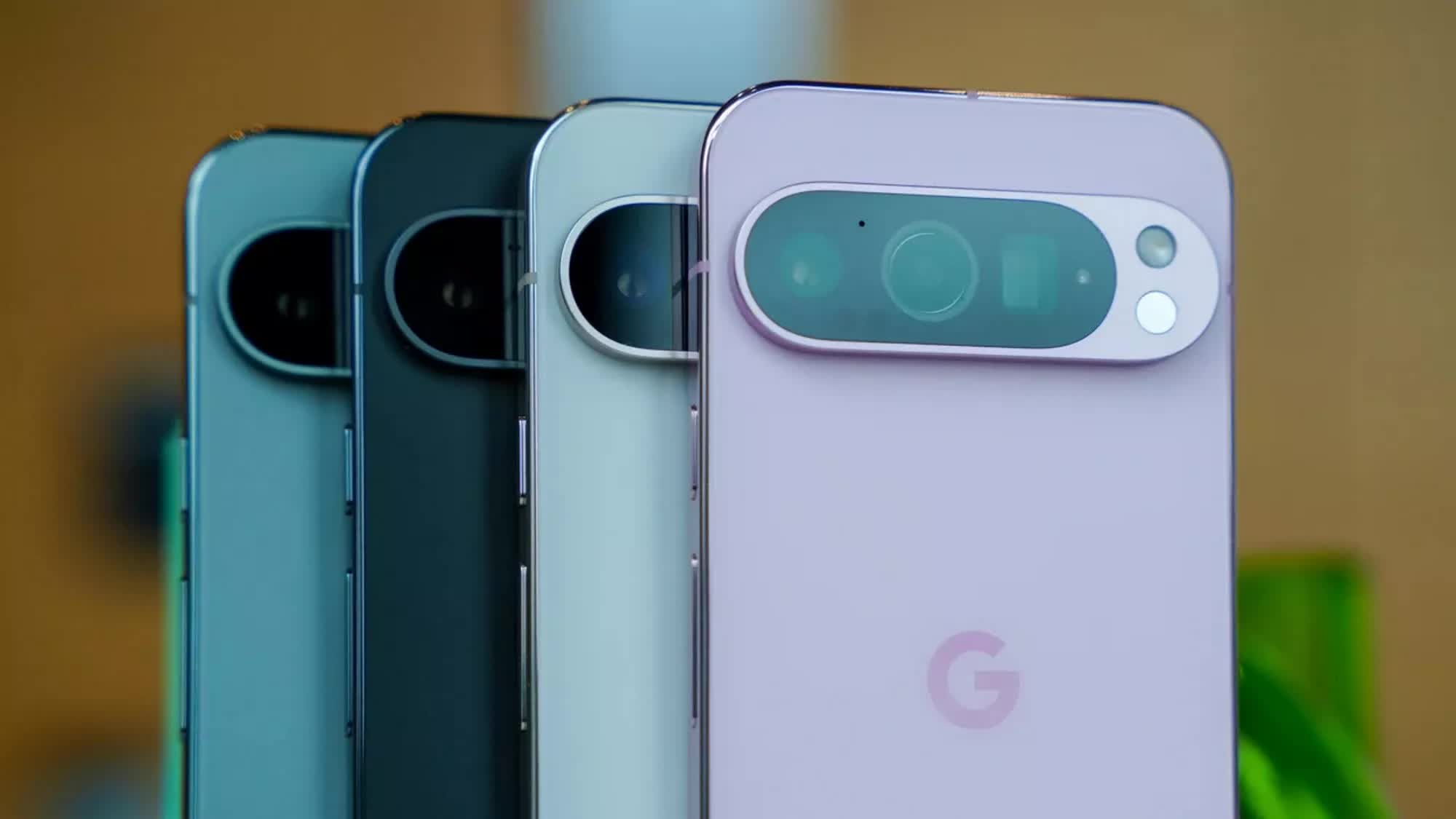
The update applies only to work-managed devices and does not affect personal phones. Still, it highlights a growing source of confusion among users regarding the limits of end-to-end encryption.
The new system arrives on the heels of backlash from a similar enterprise-focused change that let companies track employee activity through Teams availability metrics. Both updates reflect a broader trend in workplace technology: tighter integration of communication tools with compliance systems, often at the cost of perceived personal privacy on corporate devices.
For employees, the practical takeaway is that texting on a company-issued Android phone now carries the same visibility risks long associated with email. The difference is that Google's approach preserves encryption during transmission while still exposing messages on the company-managed endpoints.
Android's latest enterprise update shows encrypted work texts aren't as private as they look