In context: Both Apple and Meta continue to explore a more advanced category of augmented reality glasses that blend digital and physical environments. While that technology remains years away, the race to achieve it is driving companies to refine interim products – such as display-equipped glasses – to test the market and build consumer acceptance.
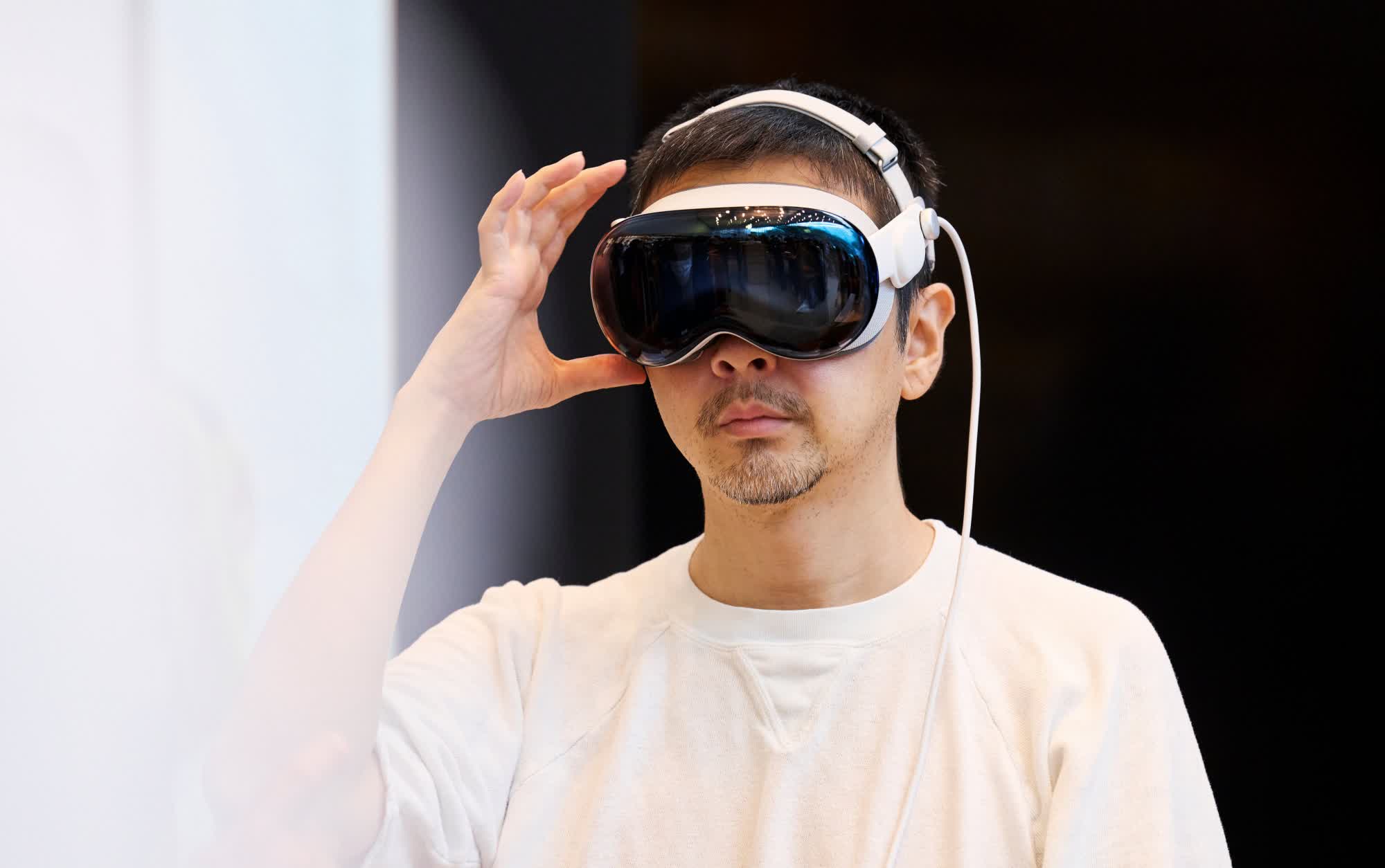
Apple is shifting resources away from a planned overhaul of its Vision Pro headset to accelerate the development of smart glasses, according to people familiar with the matter. The move highlights the company's push to catch up with rivals such as Meta in a product category that could eventually replace smartphones.
For several years, Apple had been designing a lighter, less expensive follow-up to the Vision Pro, which carries a $3,499 price tag and has faced criticism for being bulky and short on software. Internally code-named N100, the redesigned headset was expected in 2027. However, the project is being deprioritized as engineers are reassigned to work on two versions of smart glasses currently in development, the sources said.
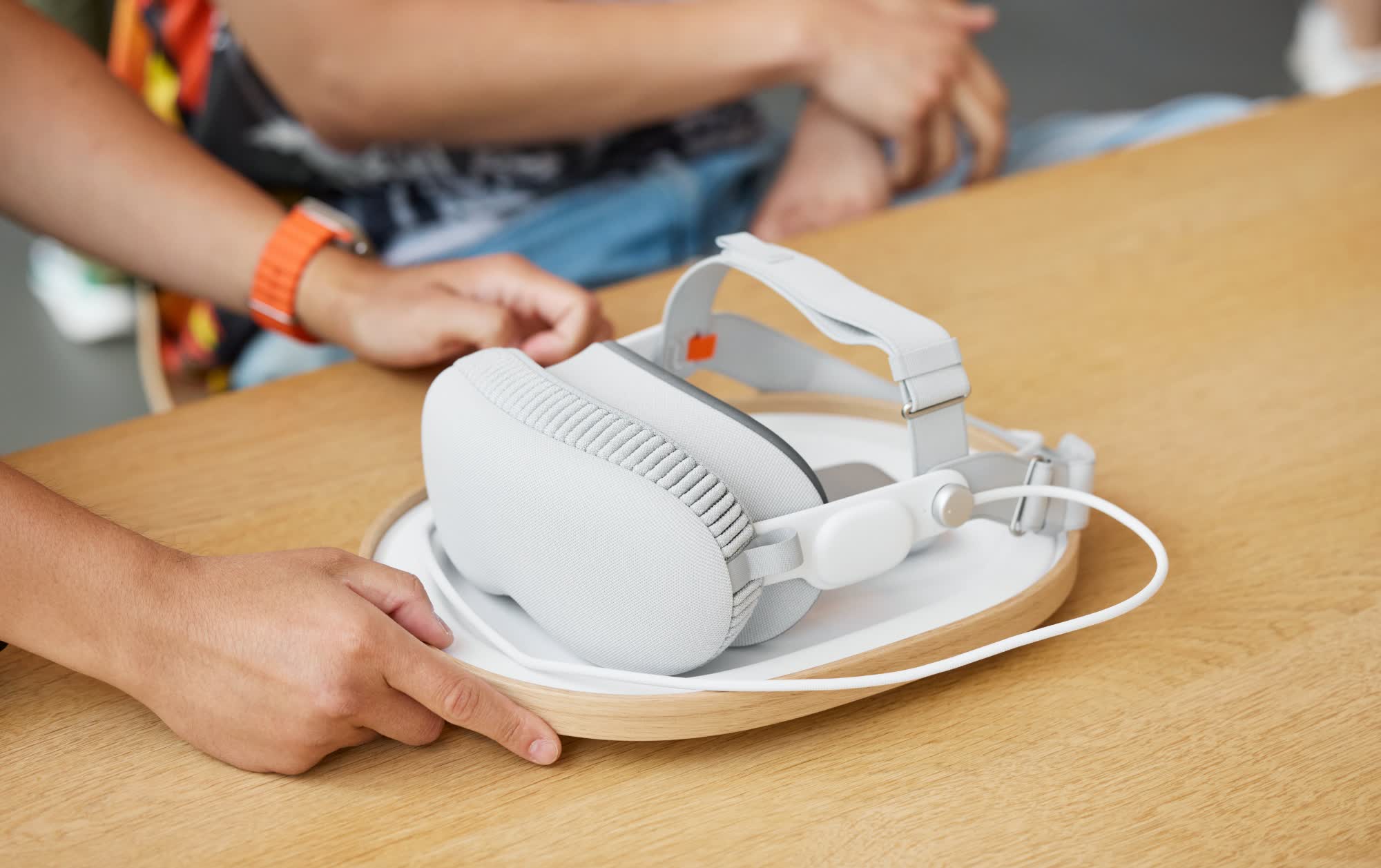
Apple's first glasses, known internally as N50, will connect to an iPhone and will not feature a display of their own. The company is aiming for a reveal as early as next year, with a broader release expected around 2027. A second model, equipped with a built-in display to compete more directly with Meta's Ray-Ban Display glasses, had originally been slated for 2028 but is now being accelerated, the sources said.
The shift reflects Apple's belief that glasses will ultimately appeal more to mainstream consumers than headsets. While headset sales across the industry have lagged, smart glasses have gained traction as tech companies experiment with lighter designs and deeper integration of artificial intelligence.
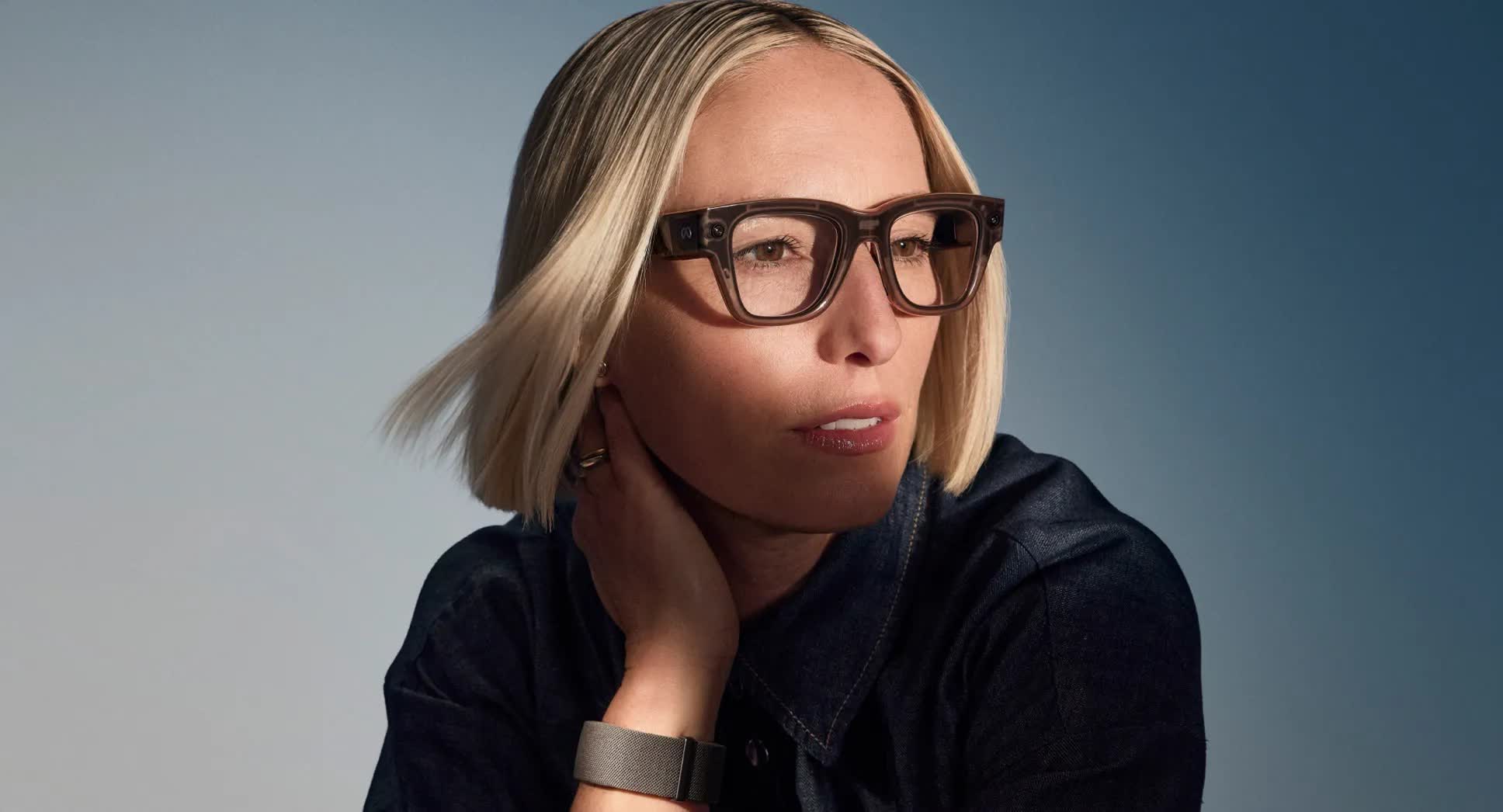
Apple still trails Meta, which entered the market in 2021 with Ray-Ban Stories. Its follow-up, the Ray-Ban Meta, launched in 2023 and quickly gained popularity. More recently, Meta has refreshed its camera-equipped, non-display glasses with upgraded hardware and styles aimed at athletes.
The company also released a display-enabled model earlier this year that has drawn early attention and plans another version for 2027 featuring dual displays.
Despite its momentum, Meta has struggled with enclosed mixed-reality headsets, which have sold poorly compared to its glasses line. The company did not launch a new headset in 2025, instead focusing on glasses and AI-powered devices.
Apple's smart glasses strategy leans heavily on AI capabilities and voice control, areas where the company has been playing catch-up. Its in-house AI platform, Apple Intelligence, was introduced later than competing services, and Siri remains a weak spot. Apple is preparing a rebuilt version of Siri for release as early as March, which is expected to underpin a range of new devices, including glasses, smart speakers, and connected displays.
The hardware will feature a new custom chip design, with multiple styles of glasses outfitted with speakers, cameras, and tight iPhone integration. People familiar with the matter told Bloomberg that Apple has also tested health-tracking features for the devices.
The reallocation of resources follows a lukewarm reception for the Vision Pro, which combines virtual and augmented reality. Since its early 2024 debut, the product has been criticized as too heavy, too expensive, and lacking in apps and video content.
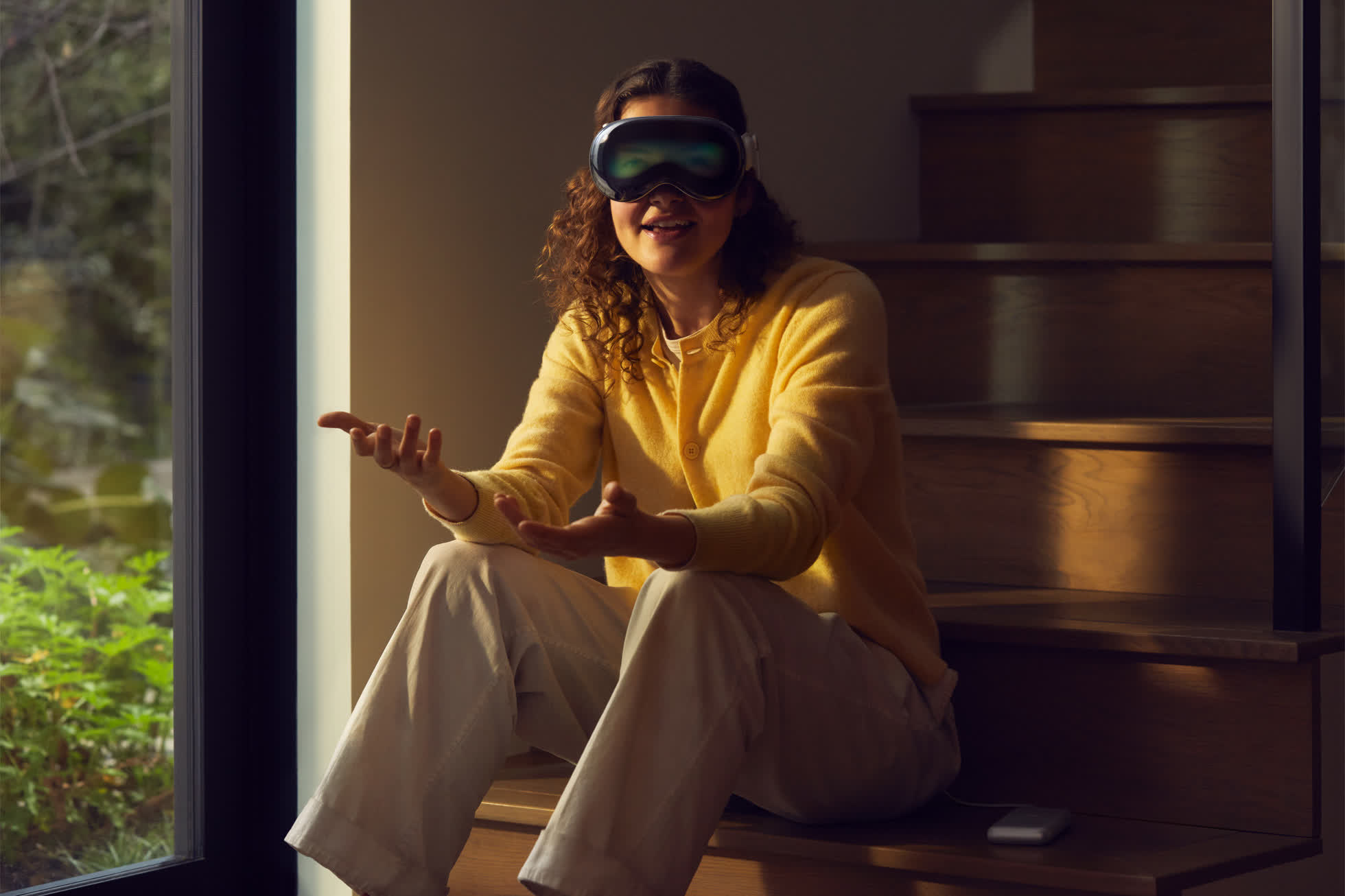
Apple had abandoned an earlier plan for a cheaper headset resembling the original Vision Pro in favor of a more ambitious, lighter redesign, which is now on hold. The company also previously shelved work on tethered glasses, code-named N107, designed to function as external displays for Macs. Even so, Apple still intends to release a smaller upgrade to the current Vision Pro with a faster processor, as recent filings with the Federal Communications Commission suggest.
CEO Tim Cook has long argued that smart glasses would have greater consumer appeal than immersive headsets. In 2016, as Vision Pro development began, he publicly stated, "Few people are going to view that it's acceptable to be enclosed in something, because we're all social people at heart."
Apple delays next Vision Pro, bets on Meta-style smart glasses


