
The takeaway: MacBooks and iPads now use the same chips, extremely similar user interfaces, and the same input devices. Despite their growing similarities over the past several years, Apple refuses to fully merge the two product lines, even as other manufacturers have long since embraced 2-in-1s. That said, recent product launches suggest the Cupertino giant is adopting more trends than it creates.
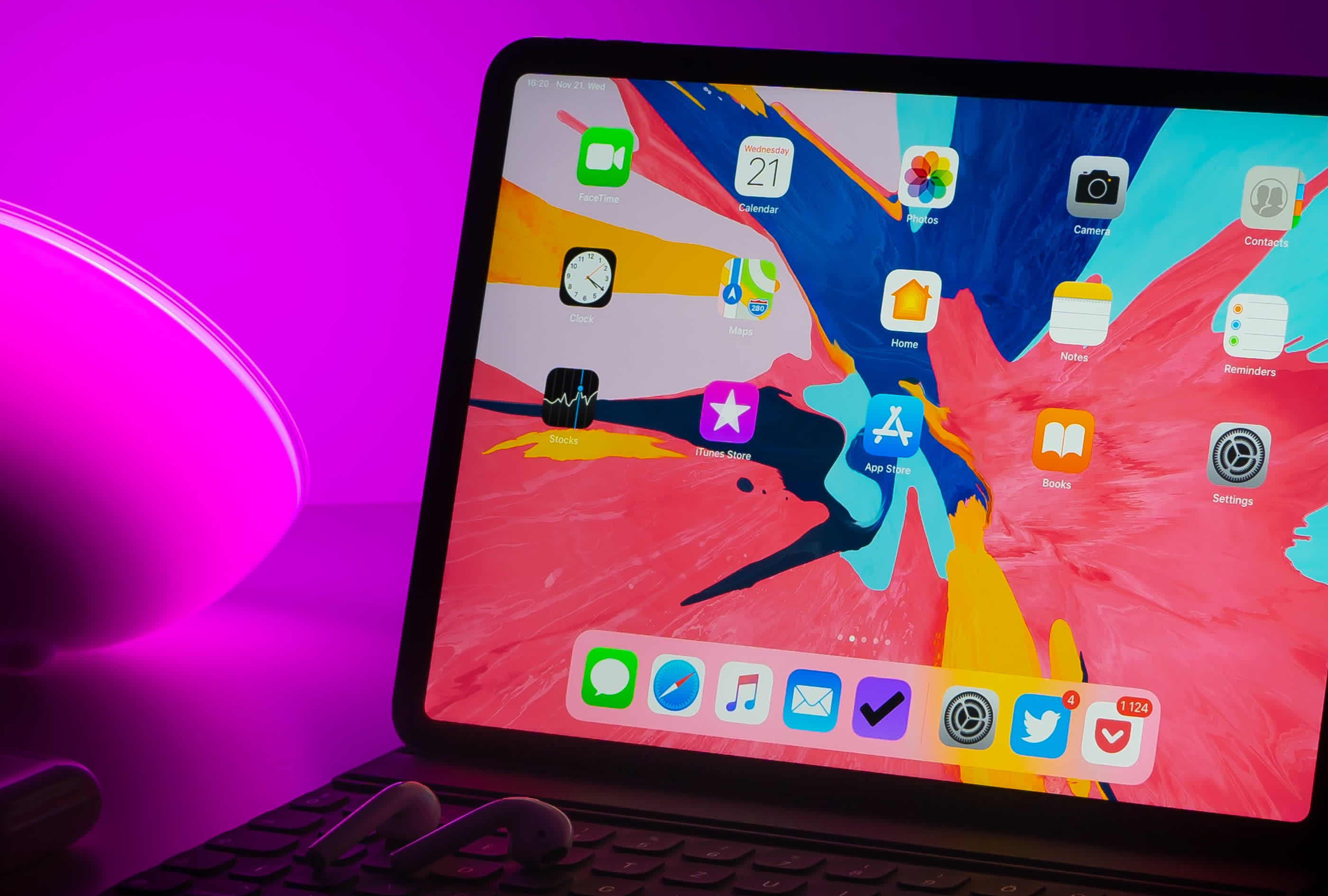
Apple CEO John Ternus recently stated that the company still has no plans to combine iPadOS and macOS into a single operating system. The operating systems have grown increasingly similar in recent years, but keeping them separate likely helps fatten the company's profits.
The comments came in response to a question during the company's fourth-quarter 2026 earnings call about whether merging Apple's tablet and laptop OSs might reduce costs. Ternus said that while the company remains proud of MacBooks and iPads, it has no plans to fundamentally alter them and would not reveal such plans early.
Ternus' statement echoes comments Apple made last year, after iPadOS 26 introduced Mac-like window and multitasking controls. Craig Federighi, senior vice president of Apple's Software Engineering, said the company didn't want to create a spork by combining iPad and Mac, implying such a product wouldn't be a good tablet or laptop.
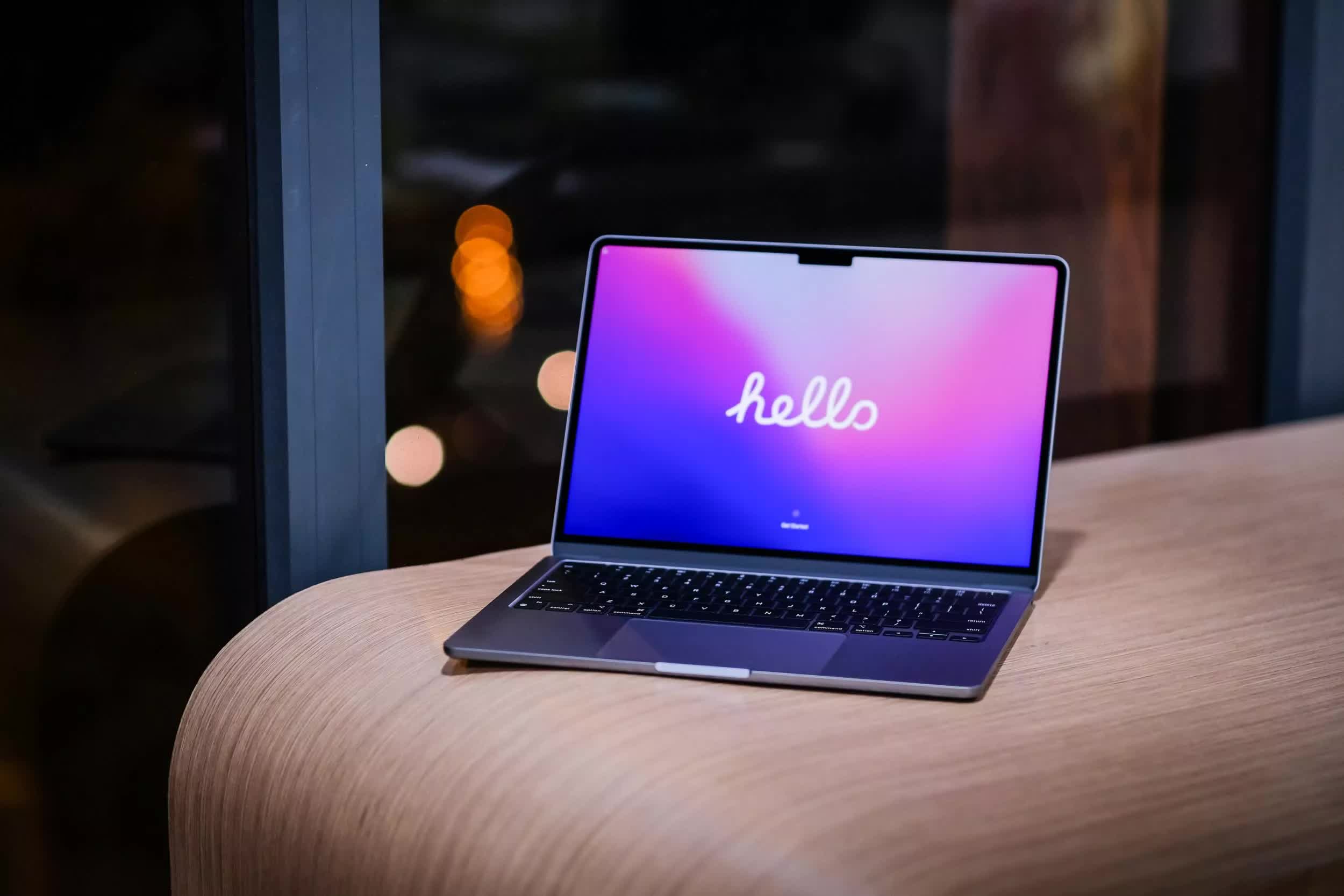
Despite claiming that the separation lets iPads focus on being tablets and MacBooks focus on being laptops, the company has made the product lines increasingly similar over the past several years. Macs and iPads now use the same M-series SoCs; the entry-level MacBook Neo uses an iPhone processor; using a mouse and keyboard on an iPad mirrors the laptop experience, and iPadOS's current UI likely laid the groundwork for last week's unveiling of the first touchscreen MacBook.
Meanwhile, 2-in-1s have spent years trying to make Windows work as a tablet and laptop OS, and Google recently started promoting Android laptops. While Microsoft and Google have approached the tablet-laptop synthesis from opposite directions, Apple is arguably the only company with a robust software stack in both areas, putting it in the best position to deliver a satisfying 2-in-1 experience.
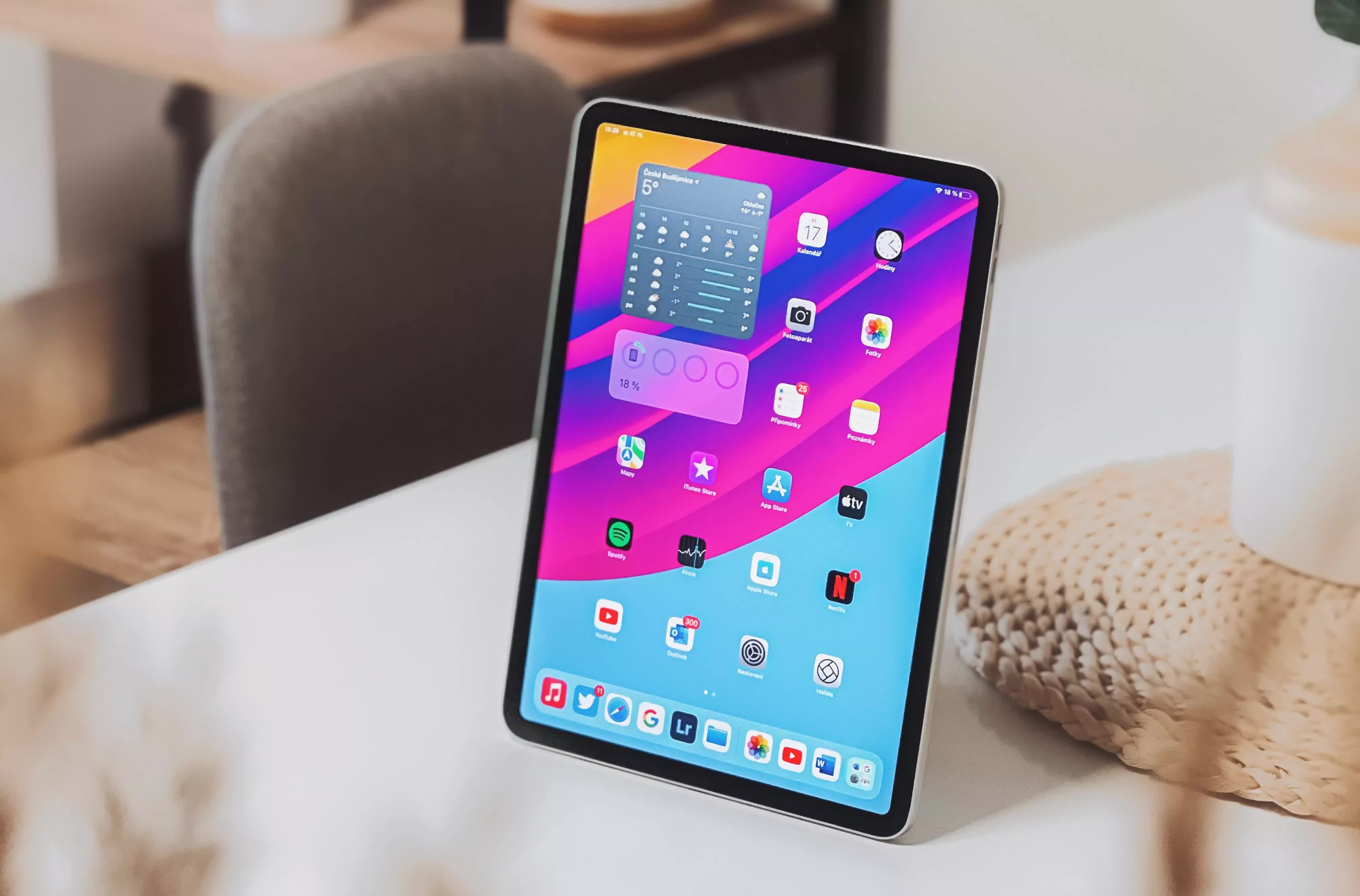
However, Apple also likely has the most to lose by merging its tablets and laptops. The iPad App Store, where the company takes a healthy revenue cut, still delivers all iPad software, and Apple has fiercely resisted regulatory pressure to open up its mobile OSes.
Then again, 2-in-1s could one day become the latest tech trend that Apple is fashionably late to adopt. This year alone, the company introduced its first smart home hub, its first foldable smartphone, and its first touchscreen laptop, entering markets Samsung, Google, Microsoft, and others have competed in for years.
Apple says it won't merge macOS and iPadOS, despite years of making them increasingly similar


