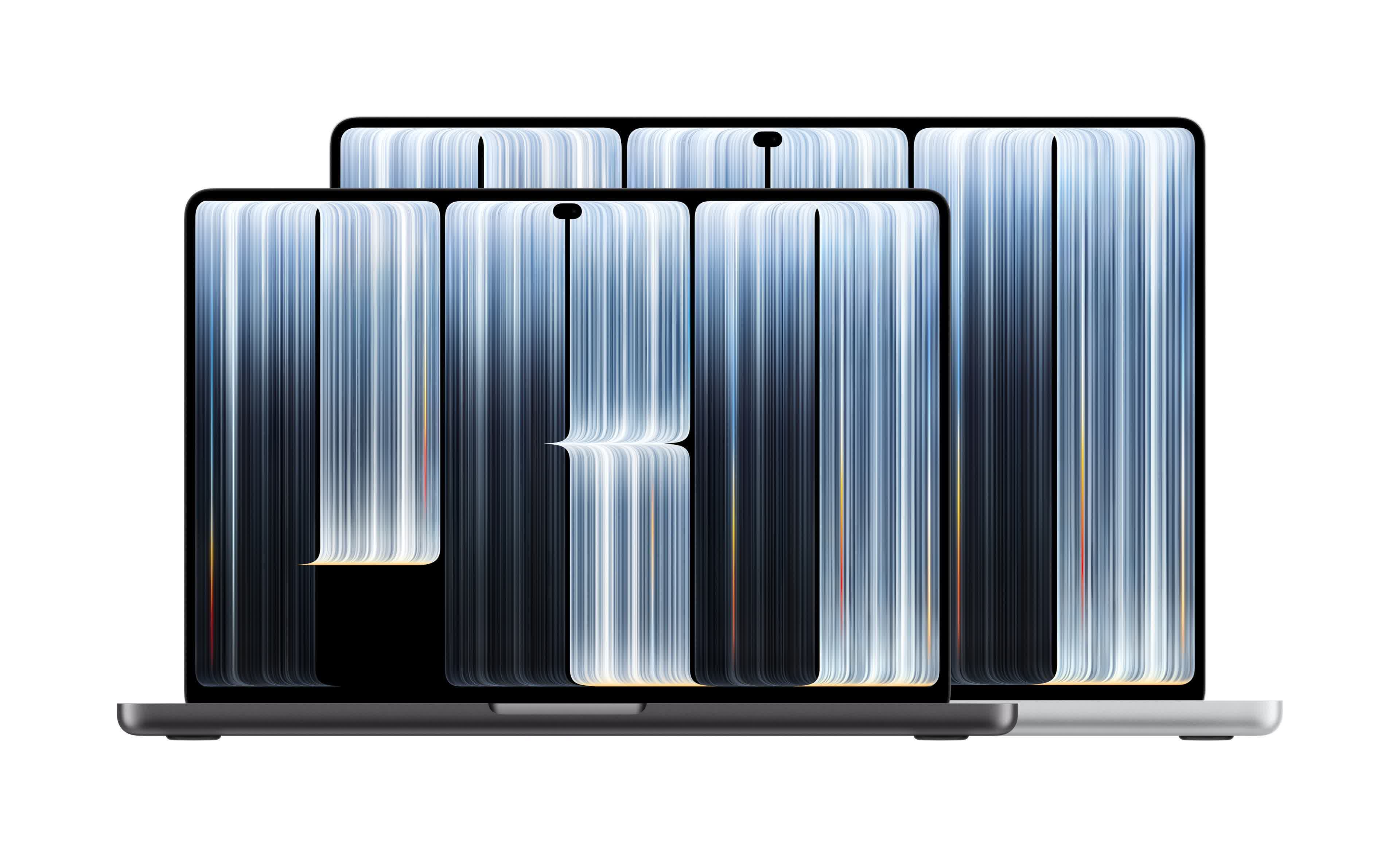
Through the looking glass: Just over 16 years ago, as other PC makers were adopting touchscreens en masse, late Apple co-founder Steve Jobs called the combination "ergonomically terrible." The company has resisted calls to give the MacBook a touchscreen ever since, until now. Apple's latest high-end model, which is also the first to include an OLED display, begins shipping November 6.
The new MacBook Pro with PROLED XDR is Apple's first laptop to include a touchscreen and an OLED panel. Pricing starts at $2,900 for the 14" model or $3,400 for the 16" model, both sporting the M5 Pro SoC. If you're about maxing out, the 16-inch M5 Max variant starts at $4,800, while a fully loaded 16" costs $14,549.
Anyone who has recently used an iPad knows what to expect with the macOS touch experience. When Apple made iPadOS more Mac-like last year, observers immediately and correctly speculated that the company was preparing macOS itself for touchscreen support.
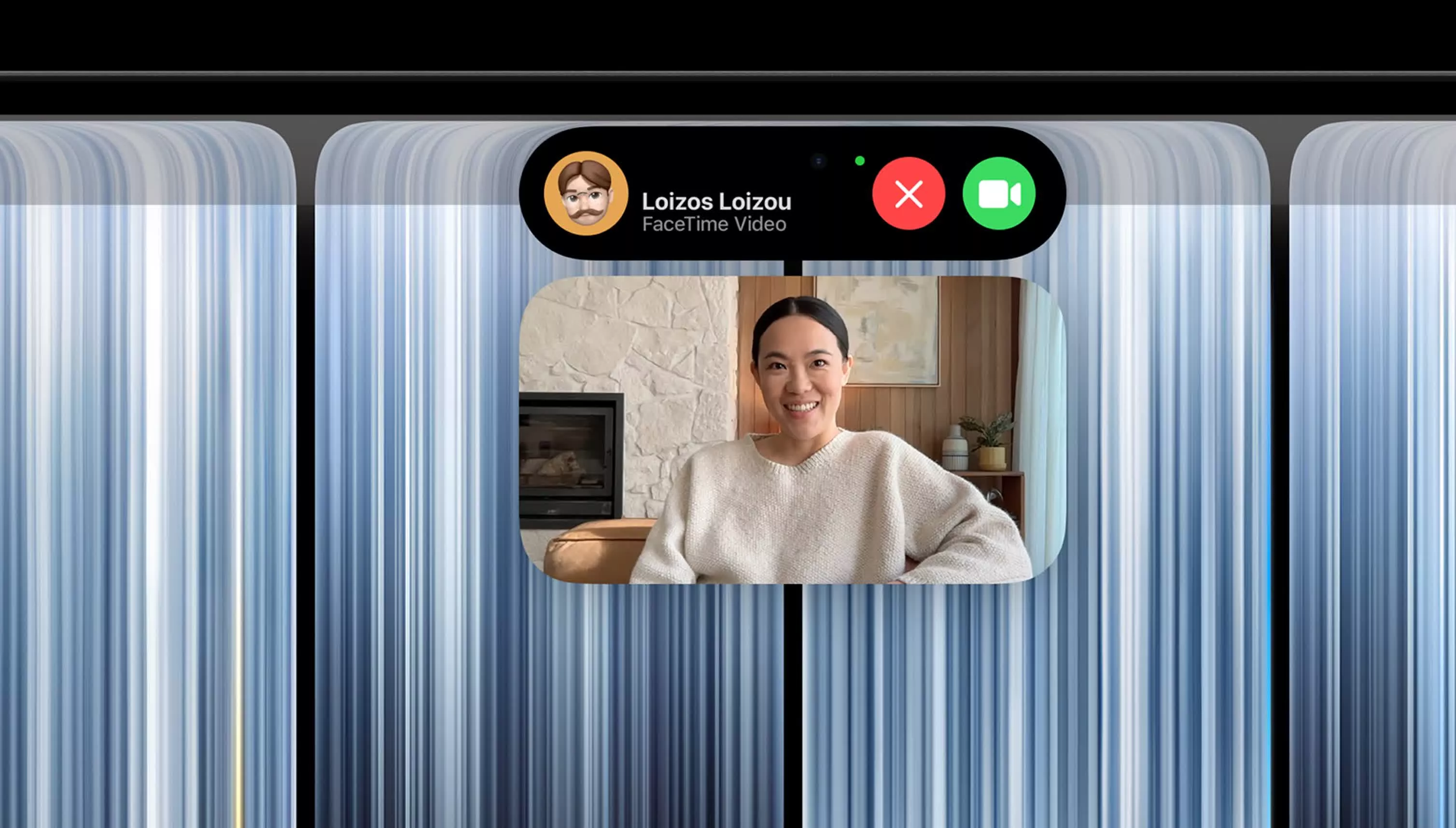
However, the new MacBook also borrows the iPhone's Dynamic Island so users can easily access music, Spotlight search, and Siri AI chats at the top center of the screen.

For its first laptop OLED screen, Apple opted for tandem OLED technology, which stacks two OLED layers to improve readability, brightness, color gamut, and longevity. Compared to the prior mini-LED models, peak HDR brightness rises from 1,600 to 2,000 nits, and SDR brightness now also reaches 2,000 nits for outdoor use. The panel also adds Adobe RGB color gamut coverage on top of P3 – oh, and the glowing Apple logo is back.
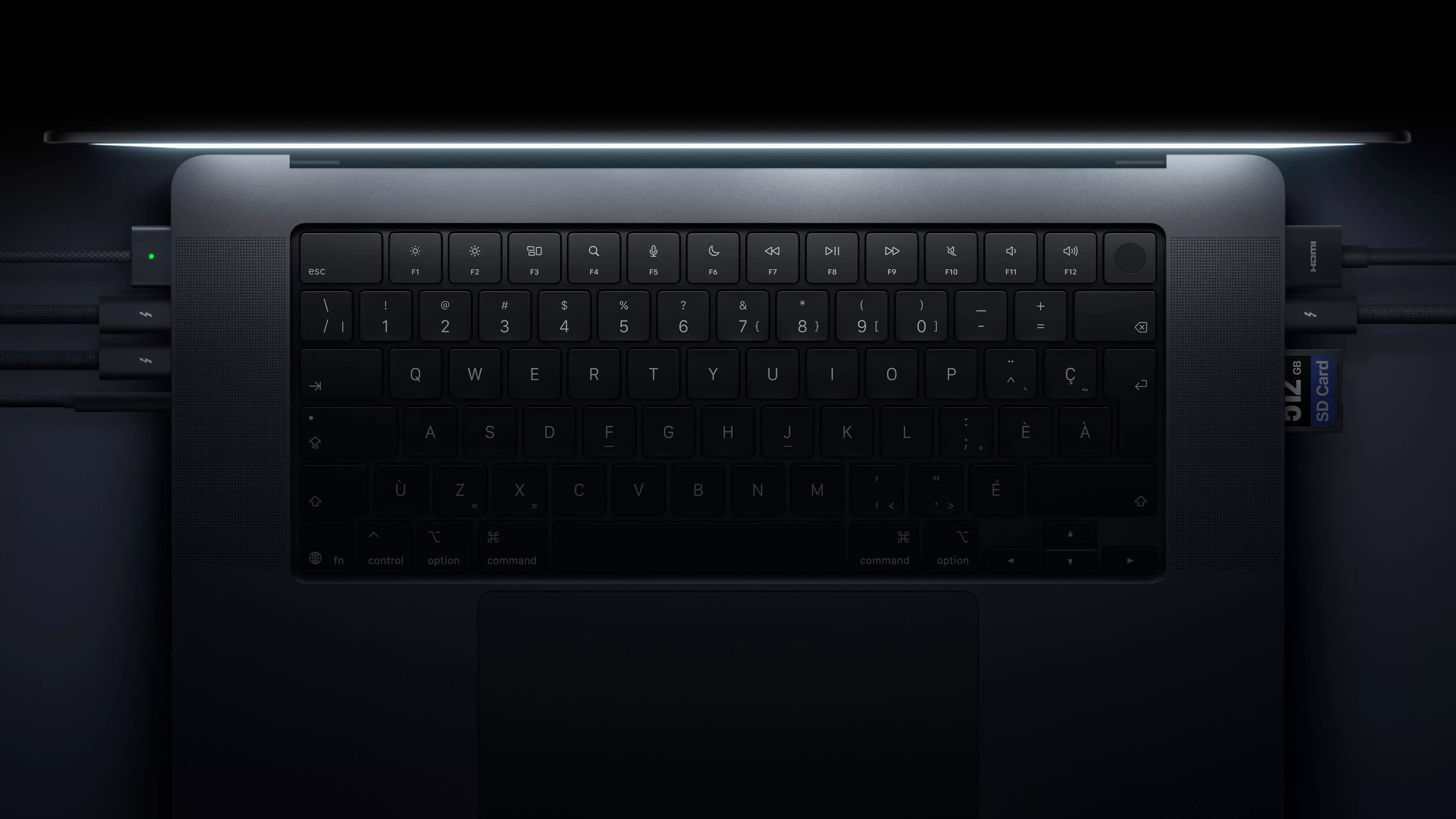
Otherwise, the PROLED XDR MacBook Pro is largely identical to the previous M5 Pro and M5 Max models under the hood. The SoC, RAM, wireless capabilities, battery life, and connectivity options remain unchanged, though storage now tops out at 16TB and a revamped six-speaker system promises 50% deeper bass.
The new model is also lighter. Apple cut the 16-inch M5 Pro variant's weight from 4.7 to 4lb, for example. Height, width, and depth are also all down by a few hundredths of an inch.
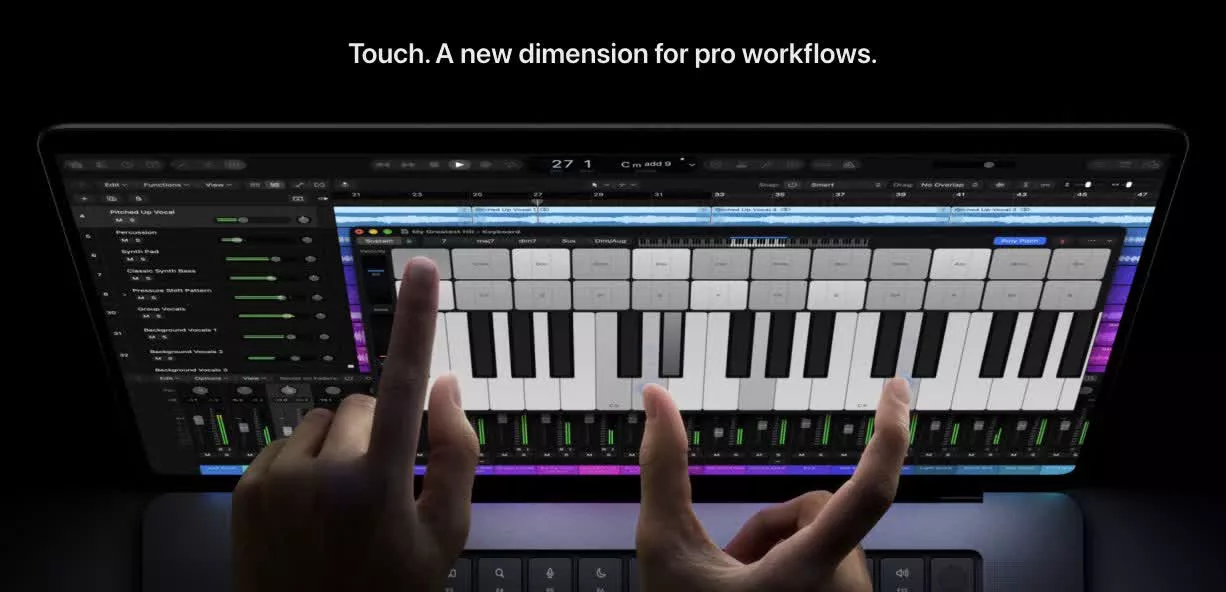
Despite the smaller chassis, the OLED screen gains a tenth of an inch and a few dozen pixels, arriving at a 3,472 x 2,266 resolution. And while the camera is still 12MP with 1080p recording, the new model adds advanced video stabilization for when users touch the screen during video calls.
Giving the MacBook a touchscreen effectively walks back comments from Steve Jobs and Tim Cook going back more than a decade. Both former Apple CEOs dismissed touchscreen Macs, with Jobs arguing that vertical touchscreens are uncomfortable because users' arms eventually tire. Not every laptop today has a touchscreen, but Apple seems to have accepted that the format has a viable audience.
The PROLED XDR MacBook Pro is the latest in a rapid-fire series of product launches under new Apple CEO John Ternus. Over the past few weeks, the company launched its first foldable phone, the iPhone Duo, its first smart home hub, introduced M6 processors with another new MacBook Pro and an iMac, and updated the iPad mini and Apple TV. More new devices are expected through early next year.