What just happened? ASML Holding NV has launched an unusual internal restructuring, cutting roughly 1,700 positions even as demand for its chipmaking systems hits record levels. The Dutch company, which manufactures the world's only extreme-ultraviolet lithography machines crucial for advanced semiconductor production, is streamlining its organization after receiving feedback that bureaucracy was slowing its pace of innovation.
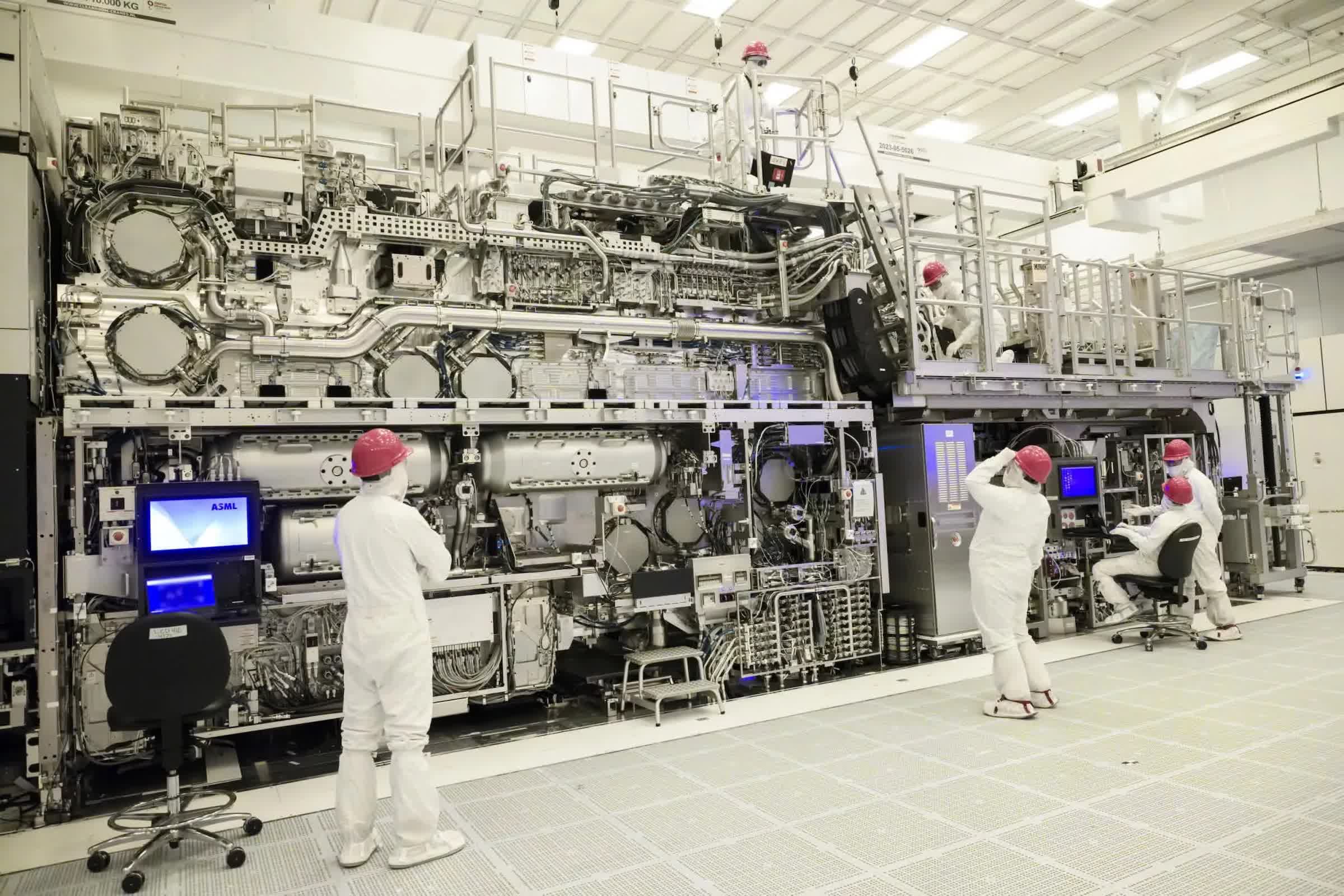
CEO Christophe Fouquet framed the restructuring as an effort to make ASML more agile. Roughly four percent of the company's global workforce – about 1,700 positions – will be cut, primarily affecting managerial and support roles in the Netherlands, with smaller reductions in the US.
Executives said the goal is to remove layers that prevent engineers from focusing on product development. CFO Roger Dassen described it as the first downsizing of this scale in many years, noting that the company had become "too complex" as operations expanded.
The timing of the cuts is notable. In Q4 2025, ASML posted record bookings of €13.2 billion, nearly double analyst expectations and largely driven by demand for its most advanced lithography tools. More than half of those orders – €7.4 billion – were for EUV systems. The strong quarter lifted ASML's shares by 4.3 percent, briefly reaching a record high in Amsterdam trading.
Total revenue for 2025 reached €32.7 billion, with guidance for 2026 between €34 billion and €39 billion. The outlook reflects continued investment in AI infrastructure by chipmakers including TSMC, Intel, and Samsung, all of whom rely exclusively on ASML's technology for next-generation production nodes.
Despite export restrictions, China remained ASML's largest single market in Q4, accounting for 36 percent of net system sales. That share is expected to fall to roughly one-fifth of revenue because the company cannot ship its most advanced EUV or newer DUV systems to the country. Chinese manufacturers have instead filled factories with older lithography generations – up to eight iterations behind the current EUV flagship – to meet strong domestic demand for mature chips.
Internally, ASML plans to reorganize its technology division so engineers work more closely with specific products and modules. The company also expects to create new positions in manufacturing, customer service, and sales, even as it reduces management layers.
Longer-term growth will focus on a planned second campus in Eindhoven, about five miles from its Veldhoven headquarters, designed to accommodate up to 20,000 employees by 2028. The expansion highlights ASML's central challenge: scaling capacity to meet unprecedented demand while ensuring organizational complexity does not slow execution.
ASML slashes 1,700 jobs even as demand for chipmaking machines hits record highs


