Rumor mill: Since its inception in 1989, Asus has primarily focused on the consumer side of the PC hardware market. Now, unconfirmed rumors suggest that the Taiwanese company may be planning to launch a new foundry business to produce memory chips for the struggling AI sector.
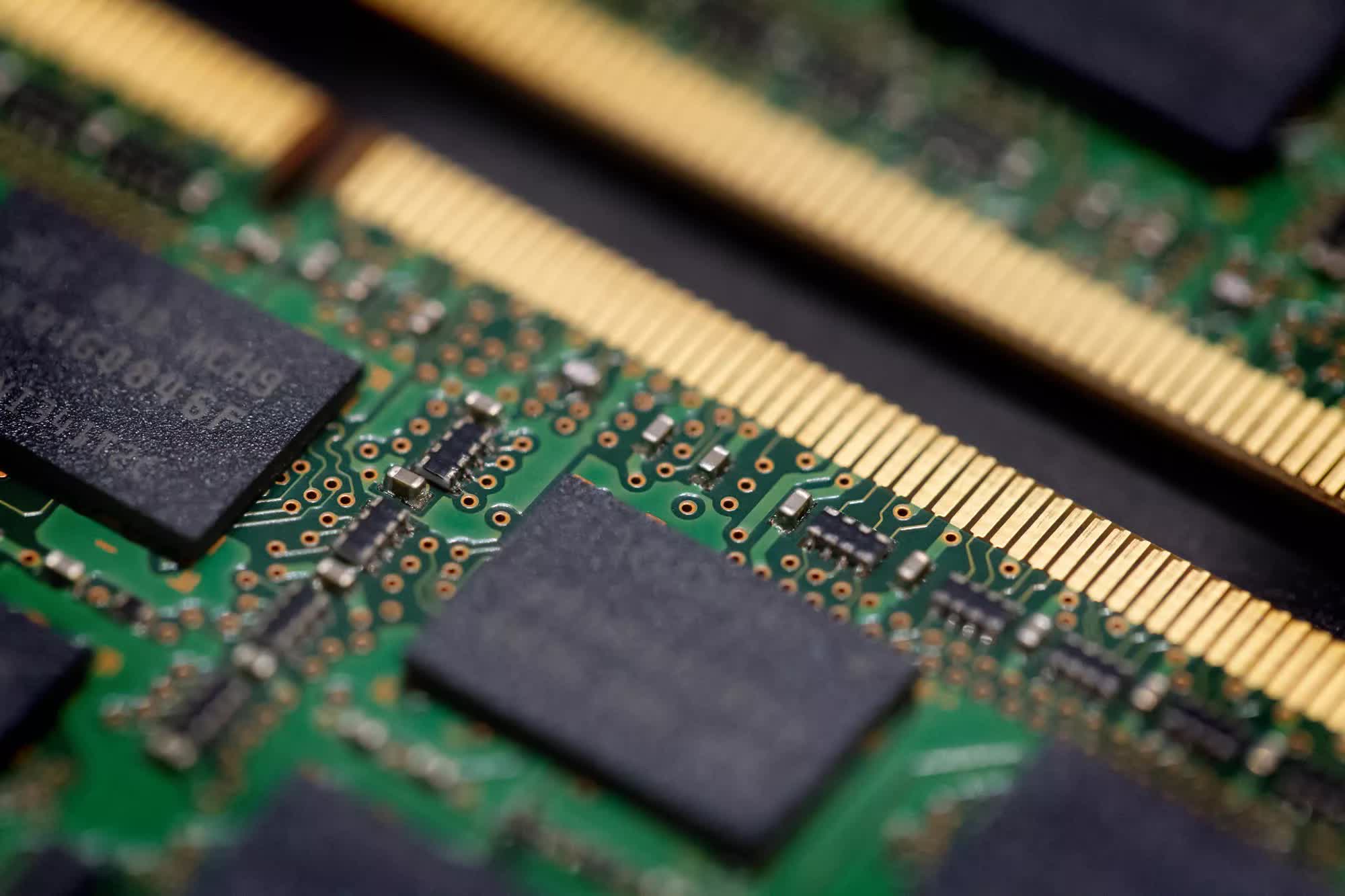
A somewhat reputable Iranian source recently claimed that Asus was planning to produce its own memory chips and IC products. Asus quickly denied the report, while acknowledging the challenges the hardware market is currently facing amid the inflating AI bubble.
The report suggested that Asus intended to enter the DRAM market directly, launching a new manufacturing venture as early as 2026. By the end of the second quarter next year, the company is expected to have acquired both the facilities and expertise necessary to manage its own chip foundry.
However, when asked by Taiwanese media outlet CNA, Asus denied the claims. The company stated it has no plans to invest in a new memory fab venture, despite growing demand from Big Tech and AI startups.
Instead, Asus is reportedly focused on expanding cooperation with memory suppliers, optimizing product specifications, and improving lifecycle management to meet market demand. In other words, the company plans to continue business as usual while preparing for the chip and hardware shortages exacerbated by the AI boom.
Analysts estimate that establishing a "production-ready" memory fab would take at least two years, assuming Asus already owns the necessary manufacturing expertise and intellectual property. Such a facility would offer little help in addressing the current memory supply crunch.
Moreover, the market landscape could look very different two years from now. Growing concerns over an impending AI bubble could trigger a downturn, causing widespread disruption across chip manufacturing, Nvidia overvaluation, speculative AGI ventures, and the broader US economy. Asus has likely anticipated these potential outcomes.
Traditionally, the Asian corporation sells consumer products including desktops, laptops, motherboards, smartphones, and optical storage devices. Asus is also well-established in the GPU market, giving it a clear perspective on how volatile the AI hardware sector has become.
Even without manufacturing its own memory ICs, Asus plans to benefit from the chip shortage by passing on higher procurement costs to end consumers, the company recently confirmed.
Asus denies recent reports of launching its own memory chip facility


