Asus rolls out Turbo Game Mode, bringing CCD and SMT toggles to the BIOS

Shawn Knight

Posts: 15,829   +202
Staff member
In brief: Asus is rolling out an update for select motherboards that enables a new feature called Turbo Game Mode. As the name suggests, the mode is designed to boost performance in certain games when combined with select processors.
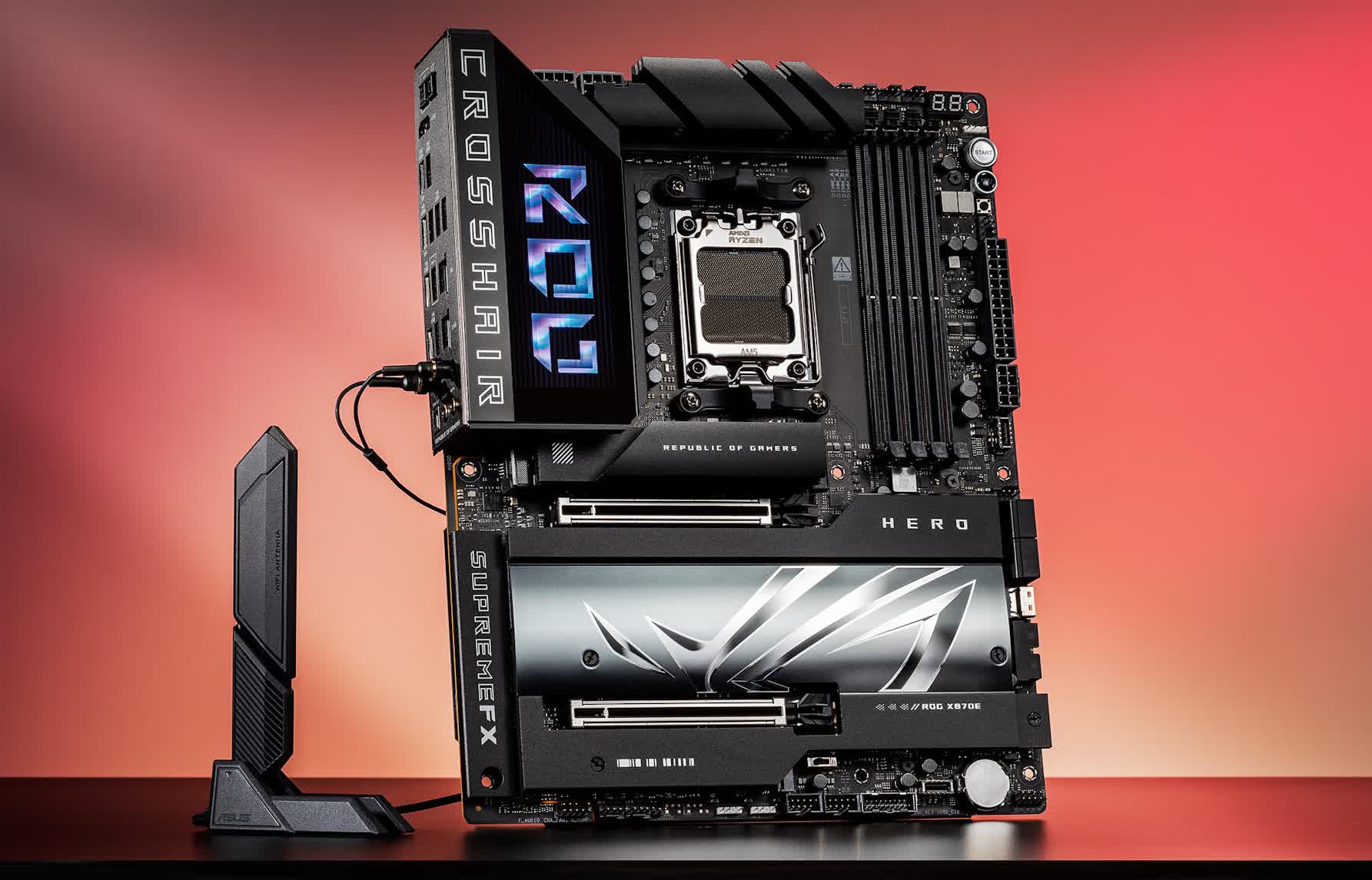
As Computer Base highlights, enabling Turbo Game Mode in the BIOS disables a processor's second core complex die (CCD) / chiplet when applicable and also deactivates simultaneous multi-threading (SMT). For CPUs with a single CCD, the toggle will simply turn off SMT.

On the surface, disabling key components of a processor sounds like a terrible idea – especially during intense workloads like gaming. The truth of the matter, however, is that less is sometimes more.

When the first multi-core processors hit the scene roughly two decades ago, the future of computer processing looked brighter than ever. Packing additional cores into a processor felt like a performance cheat code, and in some instances it was. The problem, of course, is that even today, not all workloads are optimized to take advantage of high core counts.
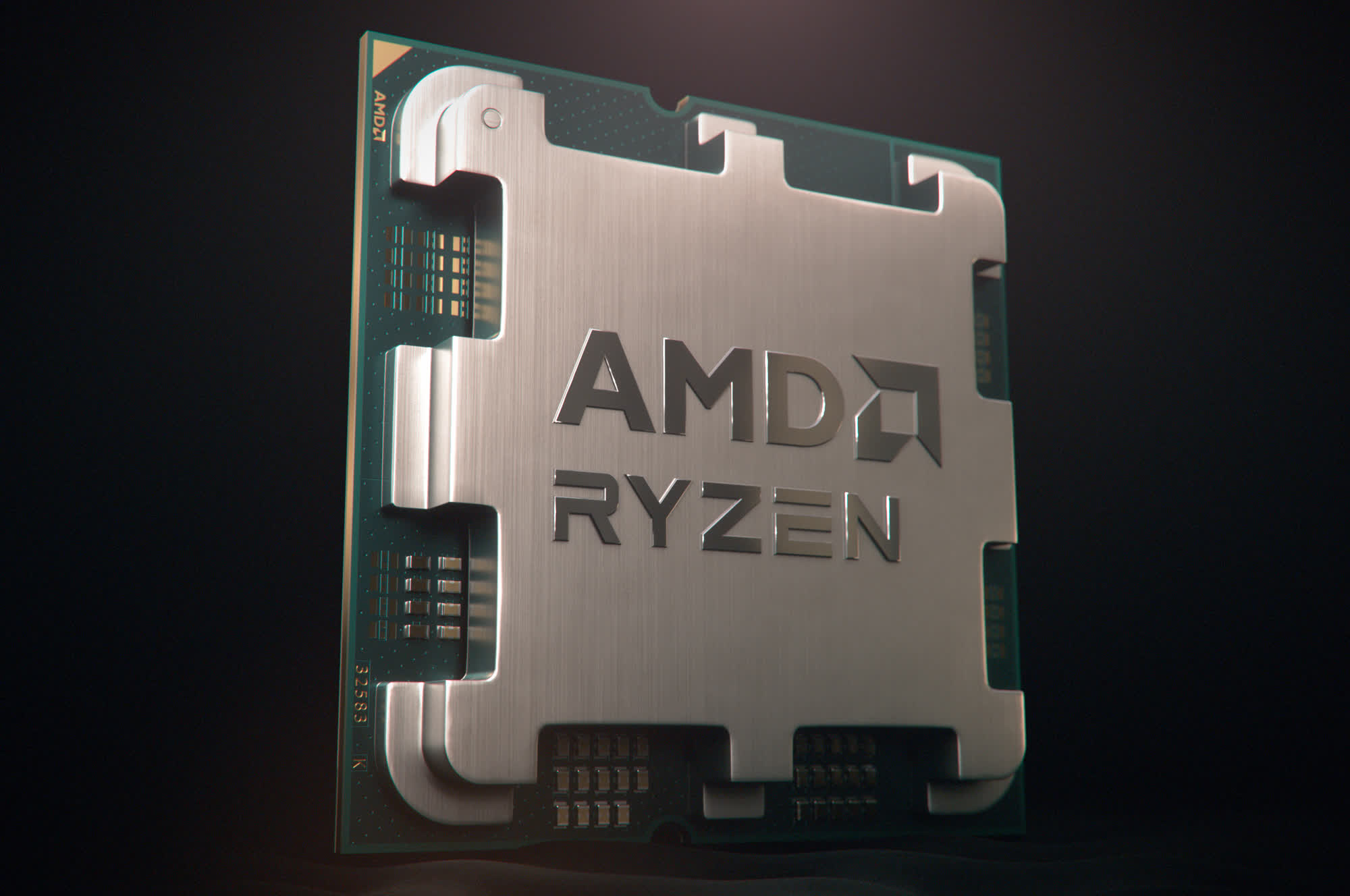
In select games and applications, for example, many cores go unutilized and may actually hinder performance. In this instance, it is often more effective to have fewer yet faster cores on tap – and that is exactly where Asus's new Turbo Game Mode comes in.

The feature allows users to disable extra cores for games that don't benefit from them, potentially resulting in better performance. Asus has not made any performance claims that we are aware of, but a similar feature from Gigabyte is said to boost performance by as much as 35 percent in select workloads.

A BIOS update to enable Turbo Game Mode is available for select Asus motherboards including the ROG X870E Crosshair Hero board. Interested parties are encouraged to check the support page for their corresponding motherboard to see if the new mode is available. On the X870E Crosshair Hero, the update is listed as a beta variant meaning stability might not be a guarantee.

Permalink to story:

 
I feel like most BIOS and/or Ryzen Master have long had the ability to turn off SMT, CCD #2, and even particular cores. Am I mistaken, or is there more to this feature, or is this really just a re-branding / convenience wrapper around previously existing options?
 
I feel like most BIOS and/or Ryzen Master have long had the ability to turn off SMT, CCD #2, and even particular cores. Am I mistaken, or is there more to this feature, or is this really just a re-branding / convenience wrapper around previously existing options?
You had to do it MANUALLY before... now, when Asus decides the app/game you are running will benefit from less cores/no SMT, it will disable it for you... THAT hasn't existed before...
 
You had to do it MANUALLY before... now, when Asus decides the app/game you are running will benefit from less cores/no SMT, it will disable it for you... THAT hasn't existed before...
Thanks for explaining, that does sound more convenient and more likely to be used (especially if it takes into account what else is happening on the PC, and/or allows for manually-tuned per-game profiles.)
 
Ok...so who needs to disable the 2nd CCD? Right, the X3D chips with 2 CCDs. So if a company is making a BIOS toggle to autodetect when to turn it off while keeping it enabled until said time...what does that imply?

To me it implies Microsoft will never get their garbage together and fix the Windows Scheduler for these chips so board companies are making a "Windows is currently sucking so let's make it not suck right now" toggle.

So a properly coded BIOS can fix what a terribly coded operated system can't? Interesting. Can't wait.
 
It is not Microsofts fault that AMD have dual CCD issues really.

You will see the same thing happen when 9950X3D is matched up against 9800X3D. The latter will win in gaming overall fairly easy, while consuming much less power, be much cheaper and require nothing but a cheap air cooler to run.

Watch this if in doubt. Single CCD is the best for gaming and you don't need more than 8 cores for gaming. Not now, not in 1 year, not in 3 years. By 2030+ it might change but for now, 8C is sweet spot for gaming.

Watch the gaming benchmarks starting from 2:33 and you will see that 7800X3D beats 7950X3D in gaming with ease, even with Process Lasso on the 7950X3D forcing 3D cores in games.

You will need to completely disable the CCD without 3D cache to get 7800X3D perf. Because even if you lock games to using 3D cores only, there will be inter CCD communication, lowering fps due to added latency.

 
Back