In a nutshell: As the policy environment shifts, the scramble to sustain discounts underscores the fragile position of electric vehicles in the US market. High prices and charging concerns continue to weigh on adoption, even as other regions move more aggressively toward electrification. Automakers are responding by relying on lease structures, direct rebates, and shifts in hybrid production in an effort to preserve sales and navigate an uncertain market trajectory.
Automakers are moving quickly to extend discounts on electric vehicles following the expiration of a federal subsidy, underscoring the challenges manufacturers face in sustaining momentum in the volatile US market.
The $7,500 federal tax credit for EVs, which helped drive a wave of third-quarter sales, expired on Sept. 30. In its absence, companies including General Motors, Ford, Hyundai, and Jeep-maker Stellantis are stepping in with incentives of their own.
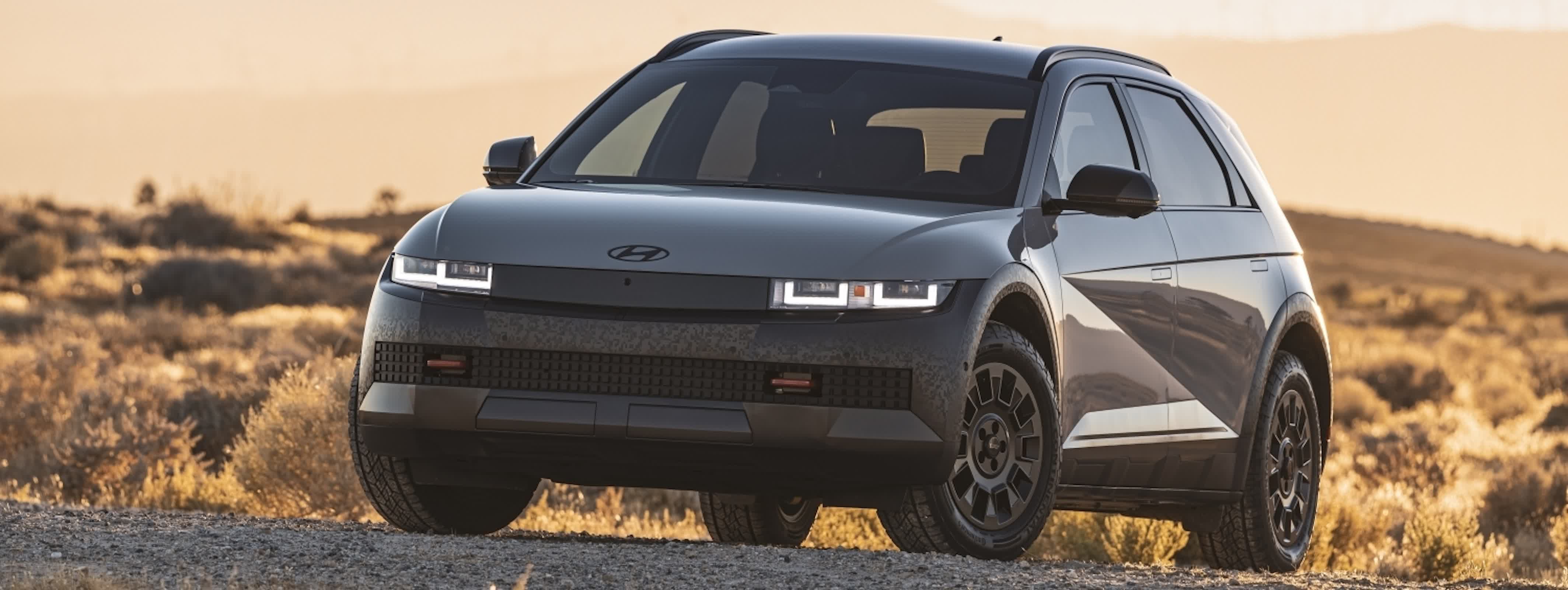
GM, Ford, and Stellantis are maintaining the $7,500 benefit on certain leased models – limited to vehicles already in transit or on dealer lots – by carrying forward credits they secured before the policy ended. Hyundai has taken a broader approach, offering $7,500 in cash on its 2025 Ioniq 5 and cutting sticker prices on the 2026 model by as much as $9,800, depending on the trim.
The industry is bracing for a slowdown as President Donald Trump's policy shifts signal a reduced federal role in promoting electric vehicles. In response, automakers are recalibrating their strategies to place greater emphasis on hybrids and traditional gas-powered models.
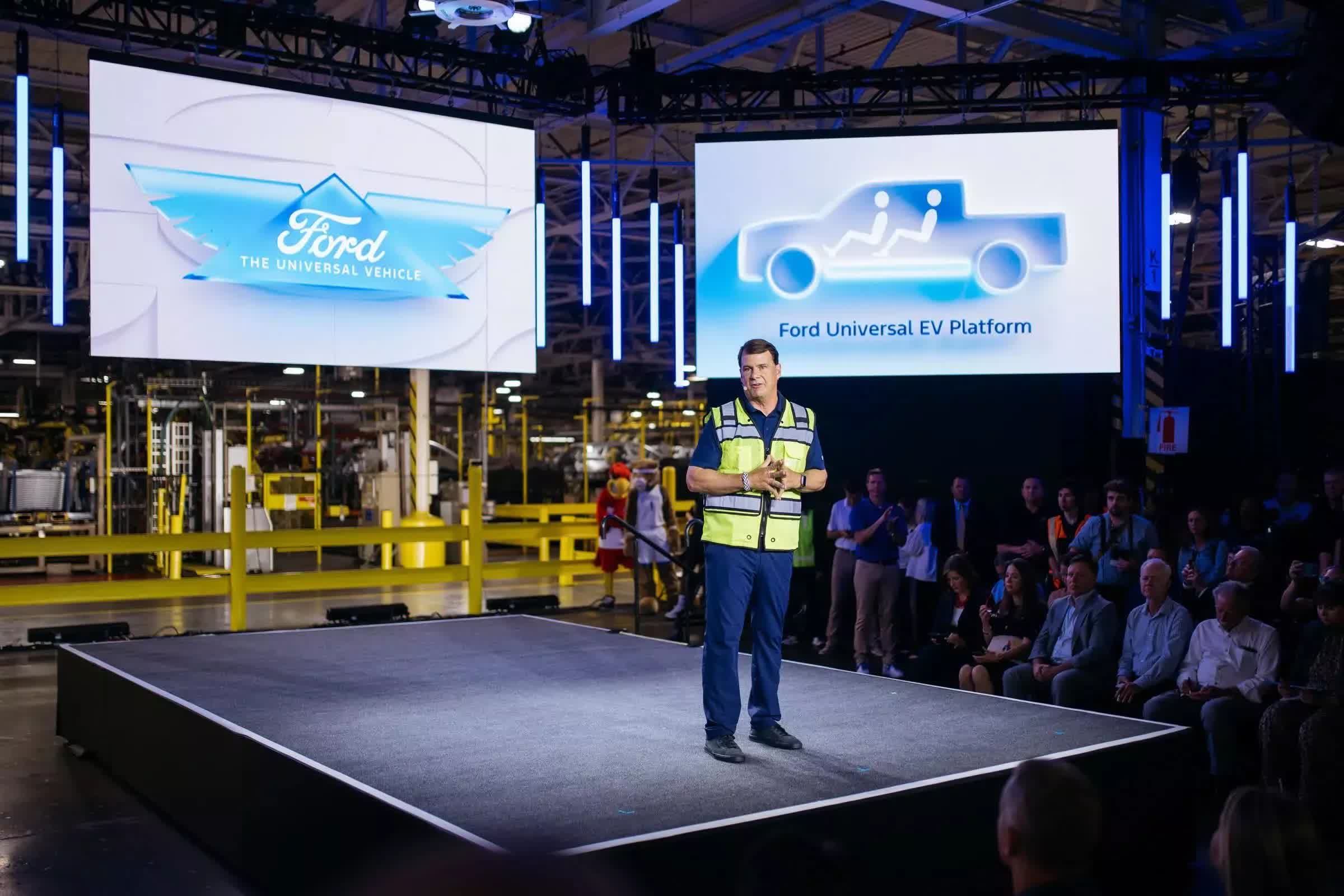
Ford CEO Jim Farley warned this week at an industry gathering in Detroit that the impact could be significant. "I wouldn't be surprised if EV sales in the US go down to five percent," he said, down from roughly 10 percent today, adding that the market will be "way smaller than we thought."
Tariffs imposed by the Trump administration are further straining profitability. Under trade agreements finalized this summer, tariffs add about $5,500 to the cost of an imported vehicle and roughly $1,000 to US-built cars that rely on imported parts, according to researcher Cox Automotive. These costs add to the pressure automakers face as they try to keep EVs competitive at a time of slowing demand.
Forecasts show diverging global trends. A September outlook from EY projects US EV sales will rise only slightly, reaching about 11 percent of the domestic vehicle market by 2029, up from 8.1 percent last year. By contrast, the consultancy expects Europe to surpass 50 percent EV penetration by 2032, with China crossing that threshold a year later.
Automakers are adapting their strategies in response. Hyundai is reconfiguring its $5.5 billion plant in Savannah, Georgia, to produce hybrids alongside EVs while continuing to bet on long-term demand.
Randy Parker, head of Hyundai's North American operations, told reporters this week that the company anticipates some turbulence following the subsidy's expiration but remains optimistic.
"I do believe because of the surge we saw in September, there's going to be a reset in October, maybe November. But the EV market will settle," Parker said.
Automakers extend EV discounts after federal subsidy expires





