The big picture: With federal incentives ended, EV automakers are monitoring demand, recalibrating production, and weighing further adjustments amid shifting policies and renewed global competition. At the same time, newly forged trade agreements and planned industry investment suggest that some of the current downsizing may be reversed as markets adjust and manufacturers launch new models.
Electric vehicle sales surged in the United States during the third quarter, but with the expiration of federal incentives, automakers have abruptly adjusted their operations in response to changing policy and market conditions. However, industry analysts note that the mounting cutbacks in the sector may prove temporary as new models and consumer incentives change in the coming year.
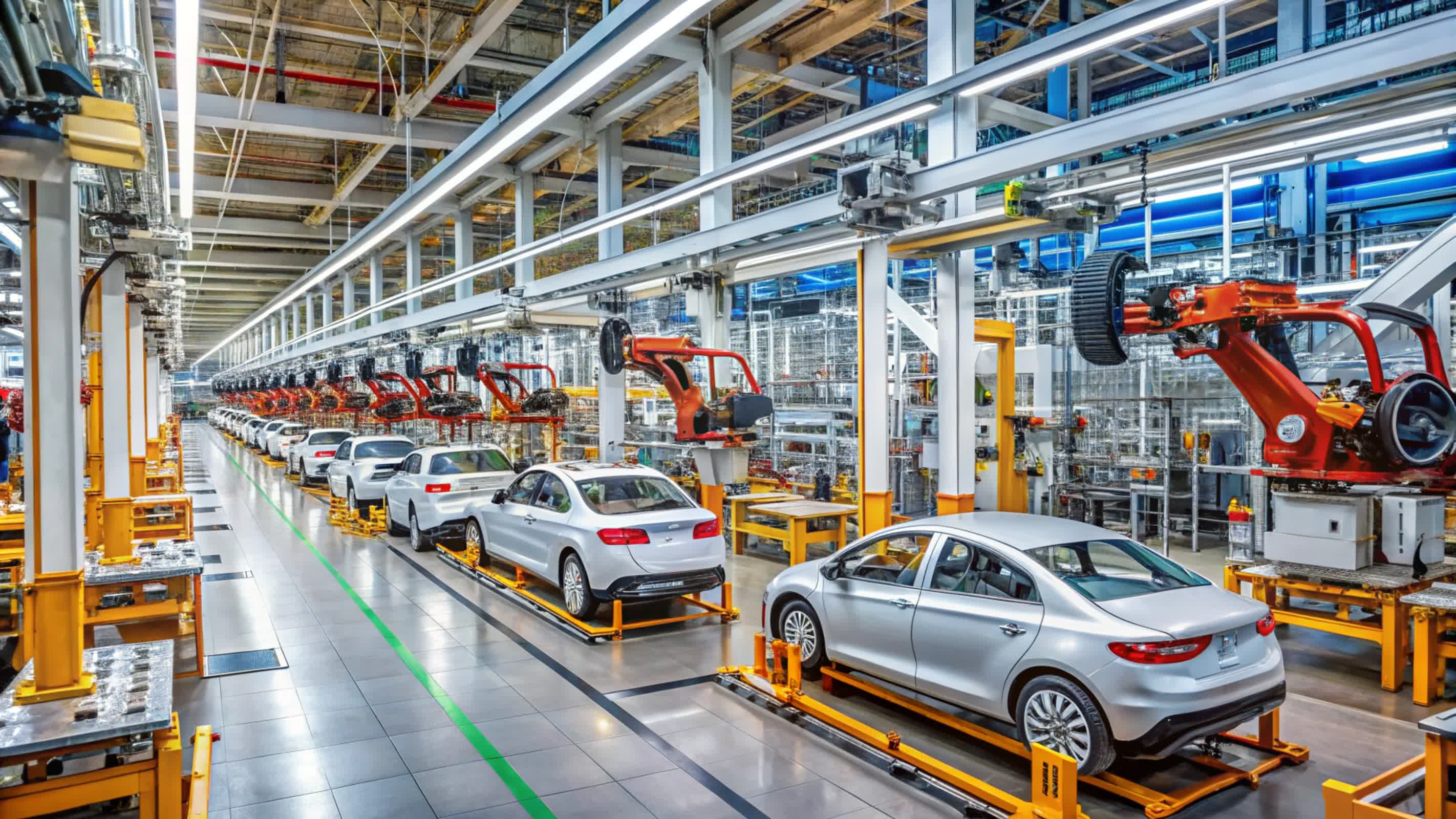
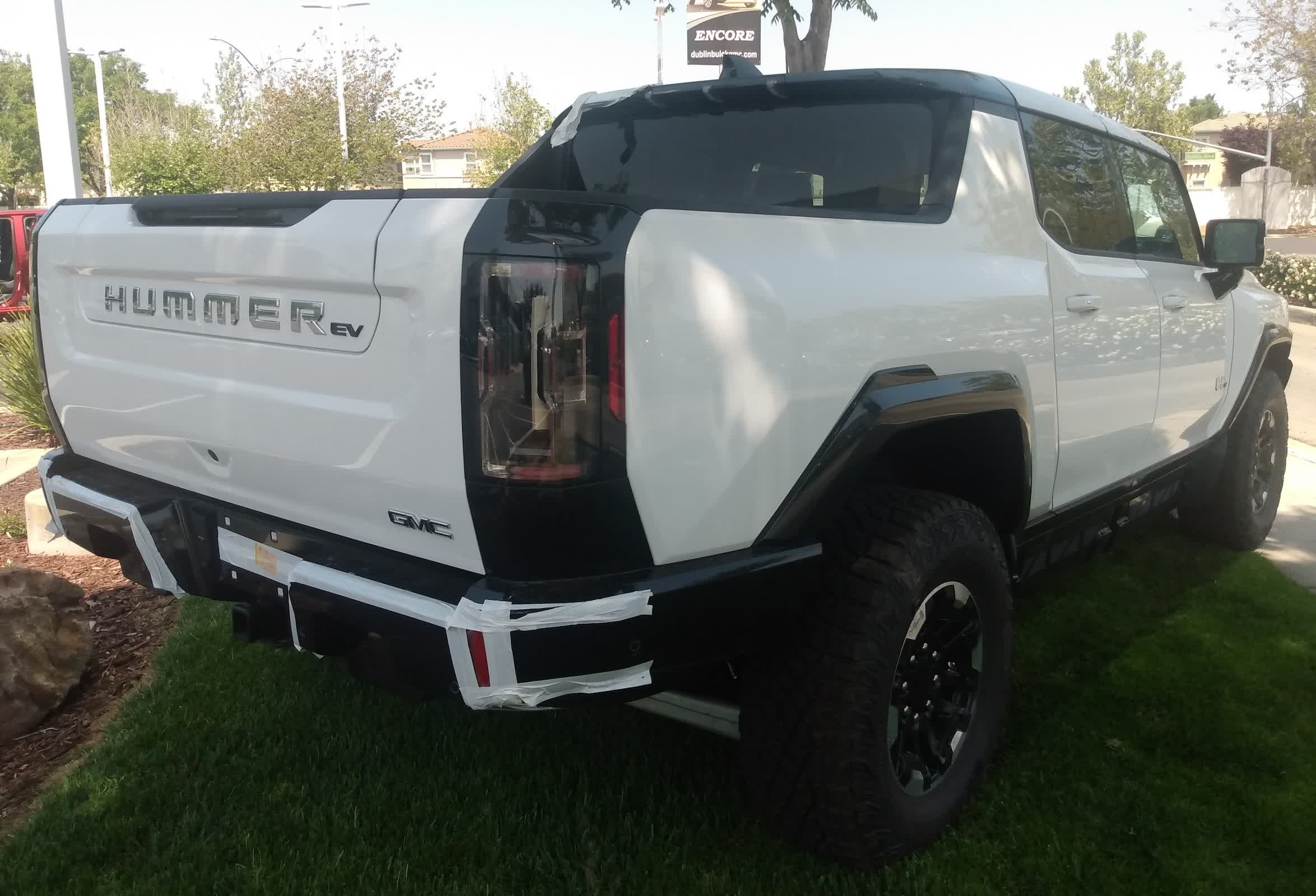
General Motors, the country's second-largest seller of battery-powered vehicles behind Tesla, began paring back output at its Detroit Factory Zero plant, which produces flagship EV models such as the GMC Hummer EV, Chevrolet Silverado EV, GMC Sierra EV, and Cadillac Escalade IQ.
The assembly line, previously running around the clock on three shifts, was idled for a month and is expected to restart operations next year with only one shift – a move that will leave 1,200 assembly workers without jobs indefinitely. Additional temporary layoffs will affect a further 1,670 workers at GM's battery and components plants in Michigan, Ohio, and Tennessee, with the automaker citing evolving market conditions and regulatory shifts for the changes.
GM's joint venture with LG Energy Solution, Ultium Cells, will also pause production at its battery factories in Warren, Ohio, and Spring Hill, Tennessee, resulting in 550 indefinite layoffs and 1,550 temporary layoffs. Earlier this month, GM reported a $1.6 billion charge to reflect the declining value of its EV plants and to cover the costs of layoffs and canceled supplier contracts.
Rivian, the electric truck and SUV manufacturer, has undergone a series of workforce reductions in response to an anticipated sales slowdown. The company recently announced layoffs affecting approximately 600 employees, or around 4.5% of its total workforce.
This follows a smaller round of job cuts one month prior as the company prepares to introduce a new midsize SUV, the R2, expected to start at around $45,000. Rivian reported vehicle sales of 13,201 units in the third quarter, marking a 32% increase year-over-year, but narrowed its delivery guidance for the year from a previous forecast of 46,000 vehicles to a revised range of 41,500 to 43,500 units.
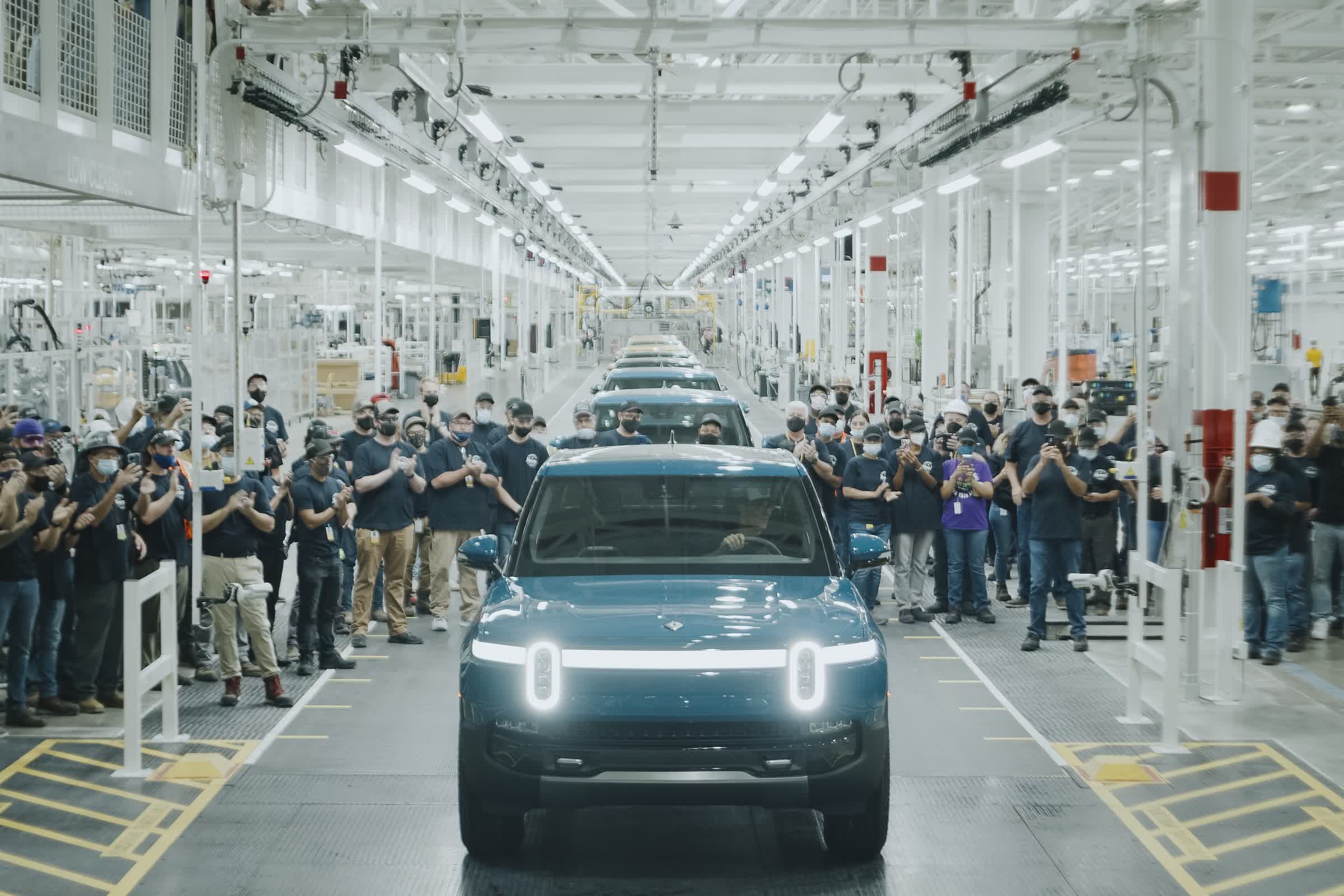
The company lost $1.1 billion in the second quarter but maintains that it has sufficient capital to launch the R2 SUV, anticipating stronger demand for the new vehicle than its current models – the R1T pickup and R1S SUV – which start at $70,990 and $76,900, respectively.
One factor that could help make these cutbacks temporary is the recent trade agreement between the United States and South Korea, which introduces new opportunities and more favorable conditions for EV automakers and suppliers across the global supply chain.
Under the new arrangement, tariffs on Korean autos and auto parts will be reduced from 25% to 15% in exchange for a $350 billion investment commitment from South Korea, structured to avoid destabilizing its currency by capping annual injections at $20 billion over two decades. Of the total, $150 billion will be directed toward American shipbuilding. This deal levels the playing field for South Korean automakers and suppliers, such as Hyundai, LG Energy Solution, and SK, whose business interests in North America depend on fair market access.
Industry analyst Loren McDonald also believes that current disruptions may prove temporary. He notes that nearly half of the workers affected by GM's layoffs at Ultium battery plants are projected to be rehired by mid-2026, as new EV models hit the market and the industry adjusts to the end of federal credits.
Automakers scale back EV production as incentives end, but new deals hint at rebound