Why it matters: When jurors in Los Angeles walk into a courtroom this week, they'll confront a question technology companies have long sidestepped: can a line of code, an algorithmic feed, or a design pattern cause psychological harm? The case, K.G.M. v. Meta et al., marks the first personal-injury trial to test whether social media platforms themselves – not just the people who use them – bear responsibility for the mental-health fallout of the digital age.
Update (Jan 27, 4pm ET): After this story went live, TikTok announced it had settled the lawsuit. The original reporting follows below.
The plaintiff, a 19-year-old Californian known by her initials, K.G.M., claims that years of using Instagram, TikTok, YouTube, and Snapchat as a child led to body dysmorphia, depression, and self-destructive thoughts. She is represented by attorney Mark Lanier, who argues that the platforms were engineered to promote compulsive engagement in children long before they understood what they were consuming.
Unlike previous content-moderation battles, this case centers on product engineering – the mechanisms that drive platform engagement. The plaintiffs allege that tools such as infinite scroll, autoplay video, and algorithmic recommendations trigger dopamine-driven feedback loops similar to those found in gambling systems. They plan to present internal company documents that purportedly show executives recognized these effects but chose to preserve them to maximize time-on-platform metrics.
The defendants – Meta, TikTok, and YouTube – dispute that characterization, saying their products have evolved to include safety measures informed by consultations with psychologists, educators, and parents. A Google spokesperson, José Castañeda, said YouTube has "built services and policies to provide young people with age-appropriate experiences," citing parental controls and YouTube Kids.
Meta, which owns Instagram, argued in court filings that internal emails cited by the plaintiffs were "cherry-picked" and that the company "has consistently put teen safety ahead of growth for over a decade."
The case could hinge on whether jurors conclude that the harm stemmed from platform design rather than content. That distinction will determine whether Section 230 of the Communications Decency Act – long a cornerstone of internet immunity – applies.
Los Angeles Superior Court Judge Carolyn Kuhl ruled last year that Section 230 does not automatically shield companies from claims arising from design decisions, leaving that determination to the jury. Nine related cases are expected to go to trial in Los Angeles state court.
Beyond legal strategy, both sides will rely on scientific testimony about how interface engineering affects cognition and dopamine regulation. The plaintiffs are expected to cite research on variable rewards – a behavioral mechanism first studied in gambling psychology – which suggests that unpredictable payoffs, such as new likes or video recommendations, can drive compulsive checking behavior.
Tech experts will examine how feed-ranking and personalization algorithms use machine learning to adjust engagement signals and increase viewing time.
YouTube's "next video" and TikTok's "For You" feeds will serve as prominent examples of reinforcement-based content sequencing. The plaintiffs argue that these systems are tuned to maximize watch time, even when that means surfacing more harmful or self-comparison content.
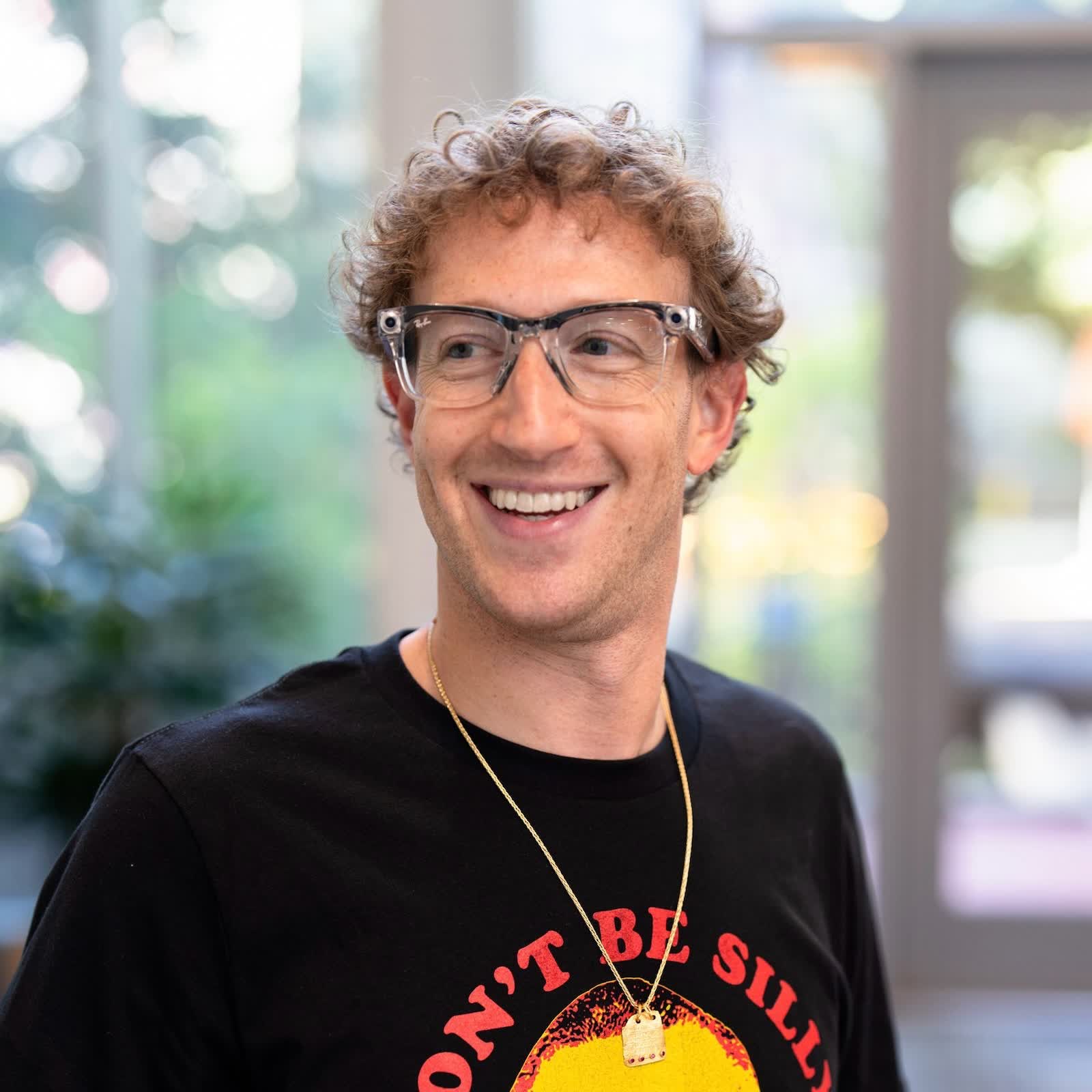
Mark Zuckerberg is one of the executives expected to testify.
Defense teams plan to argue that these systems cannot be equated with drugs or cigarettes, because usage outcomes vary widely across users and contexts, and because causation in digital behavior remains scientifically murky.
The trial strategy borrows directly from decades-old product-liability cases. Lawyers point to internal communications – some dating back to 2019 – showing Meta executives debating whether to restore filters that simulated cosmetic surgery, even after employees raised concerns about links to body-image issues.
Documents from YouTube describe efforts to make the app more "addictive," language the plaintiffs say mirrors early tobacco-industry memos about nicotine.
Legal scholars have described the proceedings as a bellwether for more than 5,000 pending lawsuits nationwide, many filed by parents, school districts, and state attorneys general. Collectively, the cases seek damages and potential injunctive relief that could force platforms to disable engagement features or delete data linked to youth accounts.
The closest historical parallel may be the 1998 Master Settlement Agreement with Big Tobacco, which imposed more than $200 billion in penalties and reshaped marketing across an entire industry.
Executives including Meta CEO Mark Zuckerberg and YouTube chief Neal Mohan are expected to testify over the next six weeks. Snap CEO Evan Spiegel settled before trial, though Snap remains a defendant in other cases. TikTok declined to comment ahead of jury selection.
Legal experts say a verdict against the companies could weaken the protections that have long shielded platforms from being held directly responsible for their design choices. While the outcome will not set binding precedent for other courts, it could offer a preview of how such evidence resonates with jurors – and whether California becomes the testing ground for a new generation of tech-liability law.
For now, the trial forces the industry to publicly defend the very technologies that made social media indispensable – and, according to its critics, difficult to escape.
Big Tech is finally on trial for how it built its algorithms


 are pretty much a blight on society. What could have been a good way for people to interact, turned into a flipping funny farm!


