Bose's SoundTouch shutdown leaves connected speakers less "smart"

Skye Jacobs

Posts: 1,982   +58
Staff
What just happened? Customers with high-end audio systems built around Bose SoundTouch will soon lose some "smart" functionality, making them more like a traditional speaker. Although the company has provided several months' notice, the announcement underscores the vulnerability of connected hardware to corporate decisions and infrastructure lifecycles.
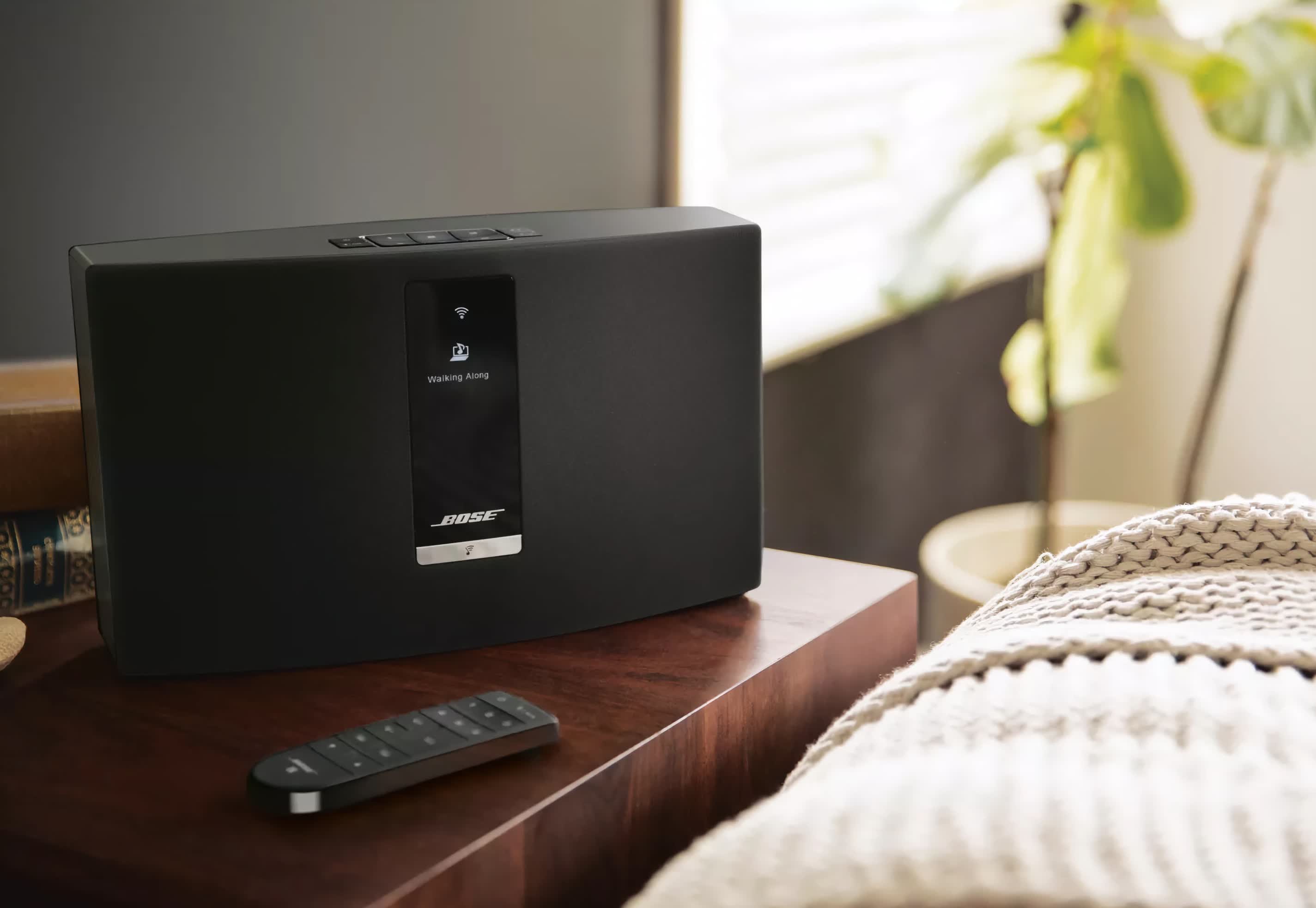
Bose has confirmed it will disable key internet-based features for its SoundTouch line of Wi-Fi speakers and soundbars early next year, marking the end of cloud support for a product family once central to its connected home strategy. The audio company told customers this week that the shutdown will take effect on February 18, 2026, rendering the companion SoundTouch app and several related services inoperable.

The SoundTouch platform, introduced in 2013, was designed to deliver multiroom audio over Wi-Fi, working with streaming services such as Spotify and TuneIn while enabling synchronized playback on multiple speakers positioned throughout a home. The app allowed users to set and manage presets and control devices from smartphones or tablets.

After the deadline, those capabilities will disappear. Bose says some existing presets may still function but cannot be modified once cloud service ends. The company will also stop delivering software security updates, leaving devices without ongoing maintenance.

While the loss will strip the products of much of their original functionality, the hardware itself will remain usable for traditional audio playback. Bose confirmed that wired connections via AUX or HDMI will continue working, along with Bluetooth streaming. However, Bluetooth typically introduces greater audio latency compared with Wi-Fi-based playback, which could affect synchronization in multiroom setups.
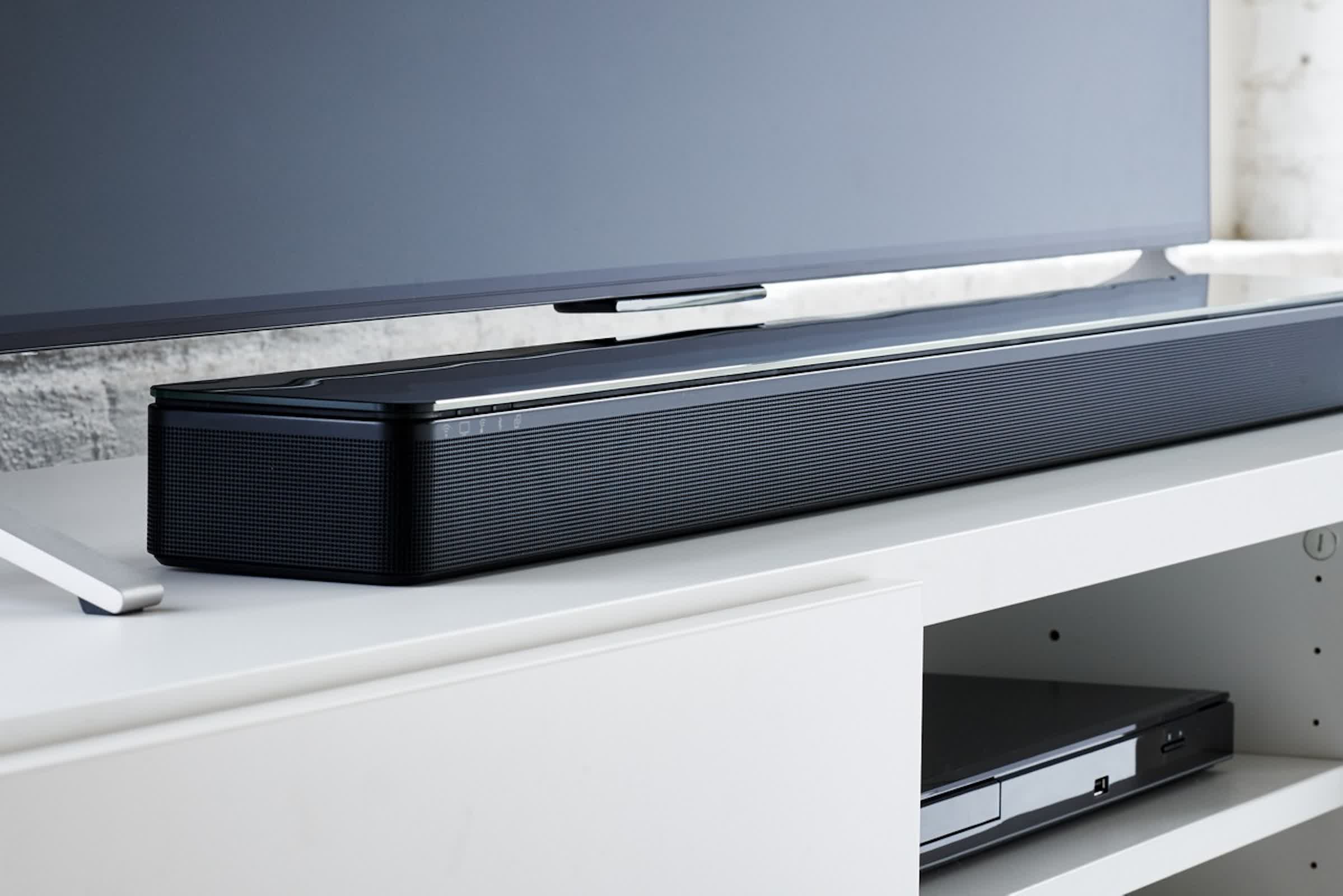
Bose is offering a trade-in credit of up to $200 for affected SoundTouch units, depending on model and condition. In its customer notice, the company explained the decision as a consequence of shifting technology priorities – maintaining the cloud infrastructure for its decade-old systems is no longer viable.

"Technology has evolved since then, and we're no longer able to sustain the development and support of the cloud infrastructure that powers this older generation of products," it said.

The SoundTouch lineup saw multiple expansions after its debut. At launch, Bose offered three premium speakers priced between $399 and $699, positioned as home streaming solutions. By 2015, Bose had introduced smaller speakers starting at $200 and higher-performance soundbars and theater systems costing well over $1,000. Despite steady updates in its early years, the company began winding down sales in 2020, telling customers at the time that app and software support would continue "for the foreseeable future." That period has now ended.

Reactions from long-time owners have been highly critical, with many pointing to the significant investment they made in the ecosystem. On community forums, users have expressed frustration about losing features that remain essential to their use of the system.

One said they had spent "over $1,500" on SoundTouch products within the past decade and now feel alienated by the decision. Some have called for Bose to make the development kits open source, allowing independent developers to keep the system operational. However, the company has not indicated any intention to release proprietary code or documentation.

The shutdown also cements a divide between SoundTouch and Bose's newer software ecosystem. The more recent Bose Music app – released with the Home Speaker 500 and Soundbar 700 series – supports all current home products but does not support SoundTouch hardware.

Engineers from rival Sonos have previously warned of the complexity involved in integrating older speakers into redesigned platforms, citing the need to overhaul not just app interfaces but underlying cloud services and firmware across multiple product generations. Bose has concluded that such integration would be neither technically straightforward nor financially practical.

Permalink to story:

 
There should be a law requiring all this crap to be opensource. This happens far too often to be brushed under the rug. At the very least, there should be an open standard that people can use. Don't like your Bose software? well you can install OPEN XYZ on it when the company decides it isn't profitable to support their product anymore. Stuff like this is why I host my own cloud services from my homelab. Anyone can go out and get a 16 core mini PC, divy up the CPU cores and host several cloud services from a single computer. They don't even need to be fast cores, you can do this on a 3950X if you want and pick them up for under $100 used. This stuff isn't hard to do, I have literally spent more time unclogging a toilet than it takes for me to setup a new virtual machine for my own personal cloud services. First time I did it, it probably took me 20 minutes, I can do it in under a minute now.
 
I suppose buying connected stuff for short term use is OK.
Items that should remain functional indefinitely shouldn't be 'connected', ever.
But then, that was kind of obvious from the start, wasn't it? Companies want/need to make money, not spend it on support.
 
Bose is absolute garbage now. DO NOT BUY a soundbar. I had so many problems with it. Would never sync to TV, had to hard re-boot almost every time, sometimes the speaker would crackle...
Their software is junk. Went and got sony soundbar , not one single issue with it at all.
 
Bose is absolute garbage now. DO NOT BUY a soundbar. I had so many problems with it. Would never sync to TV, had to hard re-boot almost every time, sometimes the speaker would crackle...
Their software is junk. Went and got sony soundbar , not one single issue with it at all.
Bose makes bad products in general. They take cheap speakers and adjust the sound curve at the amplifier to correct for distortion rather than just engineering a good speaker. I have to get my JBL 4311s reconed about once a decade, but I don't have to worry about any of this cloud crap. I'm getting close to needing my Marantz amps powering them re-capped, but the capacitors required have not been available since the start of the first Trump term.
 
Every time a company kills a smart product, an angel loses its Wi-Fi. These were premium speakers—now they’re just really expensive Bluetooth boxes with commitment issues.
 
I feel the pain, albeit I'm no fan of Bose stuff. Pure dropped their dedicated cloud stuff, which was no great loss, but at least my old bedside radio/iPod dock still has DAB and analogue radio, and can connect to a NAS (and, of course, an iPod) - it still pisses me off that the internet radio stations are now inaccessible.
 
Stuff like this is why I host my own cloud services from my homelab.

100% this. I’m in the market now for a new HT setup and the number of receivers that require some proprietary cloud-based app to “unlock” all the features is maddening. I won’t do it. Give me complete local access or nothing. I’ll pay good money for a good product—it’s just getting harder and harder to find ANY good products that aren’t hamstrung by this crap.
 
I'm actually surprised they made it this far. would've thought they closed the server some 7 years or so after the initial product launch like sonos.

pc or multimedia speakers are mostly very reliable if being used correctly. I gave away both my 20yo altec lansing and 15yo logitech speakers and both are still working perfectly today. mind you those two speakers were digital as in they have their own dac. my old klipsch speaker amp went bust just after 5 years but I've found a replacement amp and it sounds even better than the one it came with.

it's quite obvious that when it comes to speaker, even today, you can always buy the amp and the driver separately. kinda like you can build your own pc and buy your own screen. naturally this is not a good business model.

so manufacturers are coming up with smart speakers instead. they put up all proprietary tech, non-user removable battery and so on. if any critical component were to fail, you had no choice but to buy a new one. similar to how all-in-one (AIO) PC is. people who buys AIO PC don't give a damn about repairability or upgradability.


Bose is absolute garbage now. DO NOT BUY a soundbar. I had so many problems with it. Would never sync to TV, had to hard re-boot almost every time, sometimes the speaker would crackle...
Their software is junk. Went and got sony soundbar , not one single issue with it at all.

Yep, the days of the 201 and 301 speakers a long gone
 
When will people learn not to buy junk that requires you to create an online "account" with a capricious third party that can and will take away what you paid for on a whim?

Just ask Harmony Remote user... I mean former users.

I have to return a thermostat because it can only be used with a bullshit app. It never ends.
 
I’m disappointed and confounded by Bose decision to issue an “END OF LIFE” for the SoundTouch application. Bose claims their customers will still be able to use their system(s), this is a lie.
Bose customers will not be able to access and set up their speakers without the app. I.e. selecting what speakers you want and in what room. Additionally, if Bose customers were to change their computer or phone they will not be able to download the app.
What Bose is doing is like if Microsoft were to tell their customers that the Microsoft Windows Operating System will be discontinued. Bose should be upgrading their application if they don’t want to support the cloud portion, but make certain that their customers can still use and download the application so that their customers can still control and use their equipment.
Many long standing loyal customers of Bose (as I was) invested thousands of dollars in their system and are now informed that we must get a new system as the old one will become obsolete as of February 18, 2026. As for myself I have been a loyal customer of Bose since 2014 and will never purchase another product from this company, until at which time they (Bose) correct the error of their ways. I would suggest that all customers of Bose do the same.
In closing, the 25% offered by Bose towards new equipment is an insult. What they should offer is a 100% purchase price refund that their customer invested and paid for this now obsolete system. Additionally, this should be taken to the courts for remedy, perhaps in the form of a Class-Action law suit.
 
Back