Pay for What?: Brave previewed its new "Origin" browser a few weeks ago, asking users to start paying for a category of software that has been free for decades. Now the company is officially launching the stable release. At $60, the price tag is raising eyebrows – and prompting some users to ask why they should pay to have features removed that they never wanted in the first place.
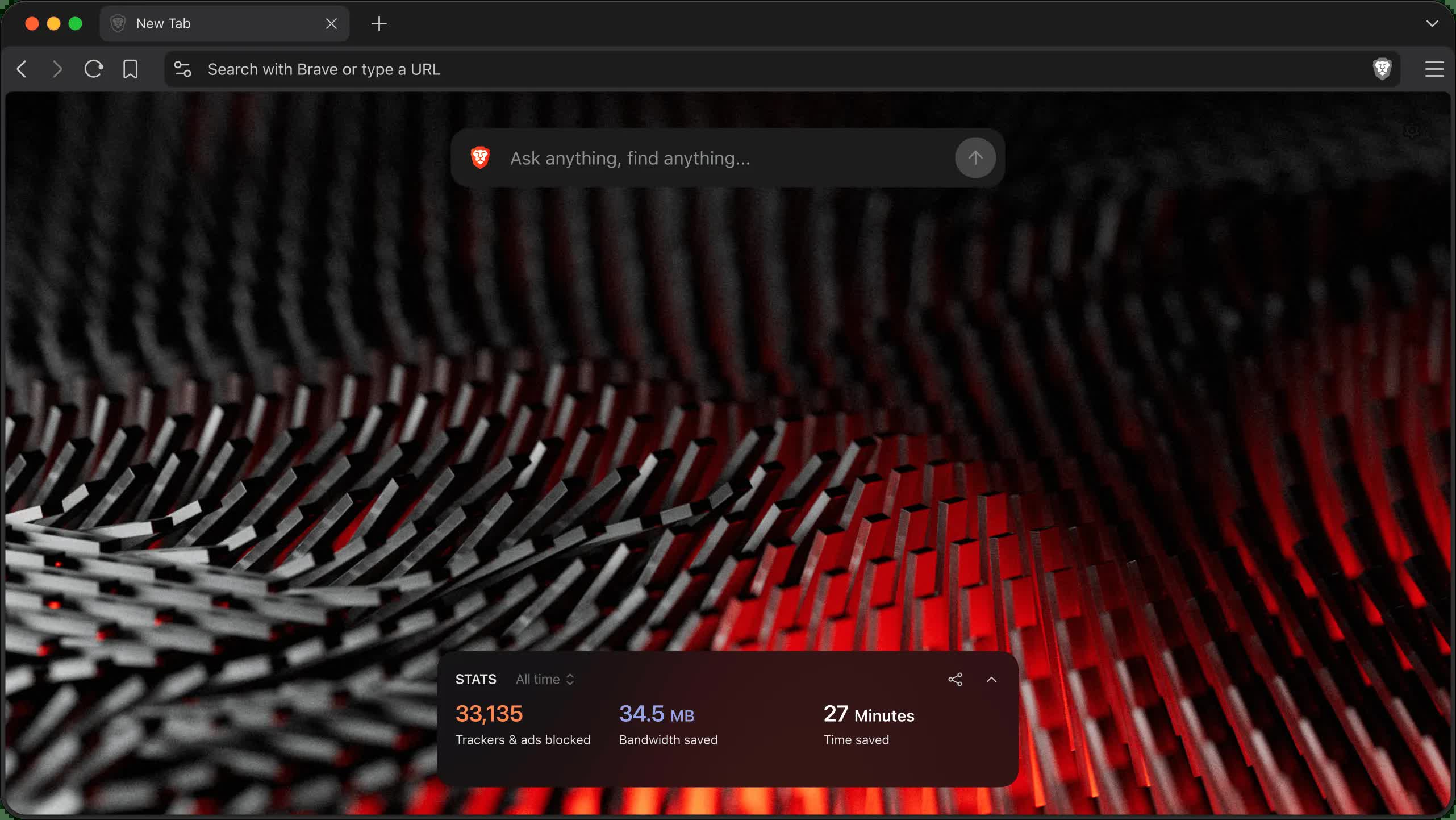
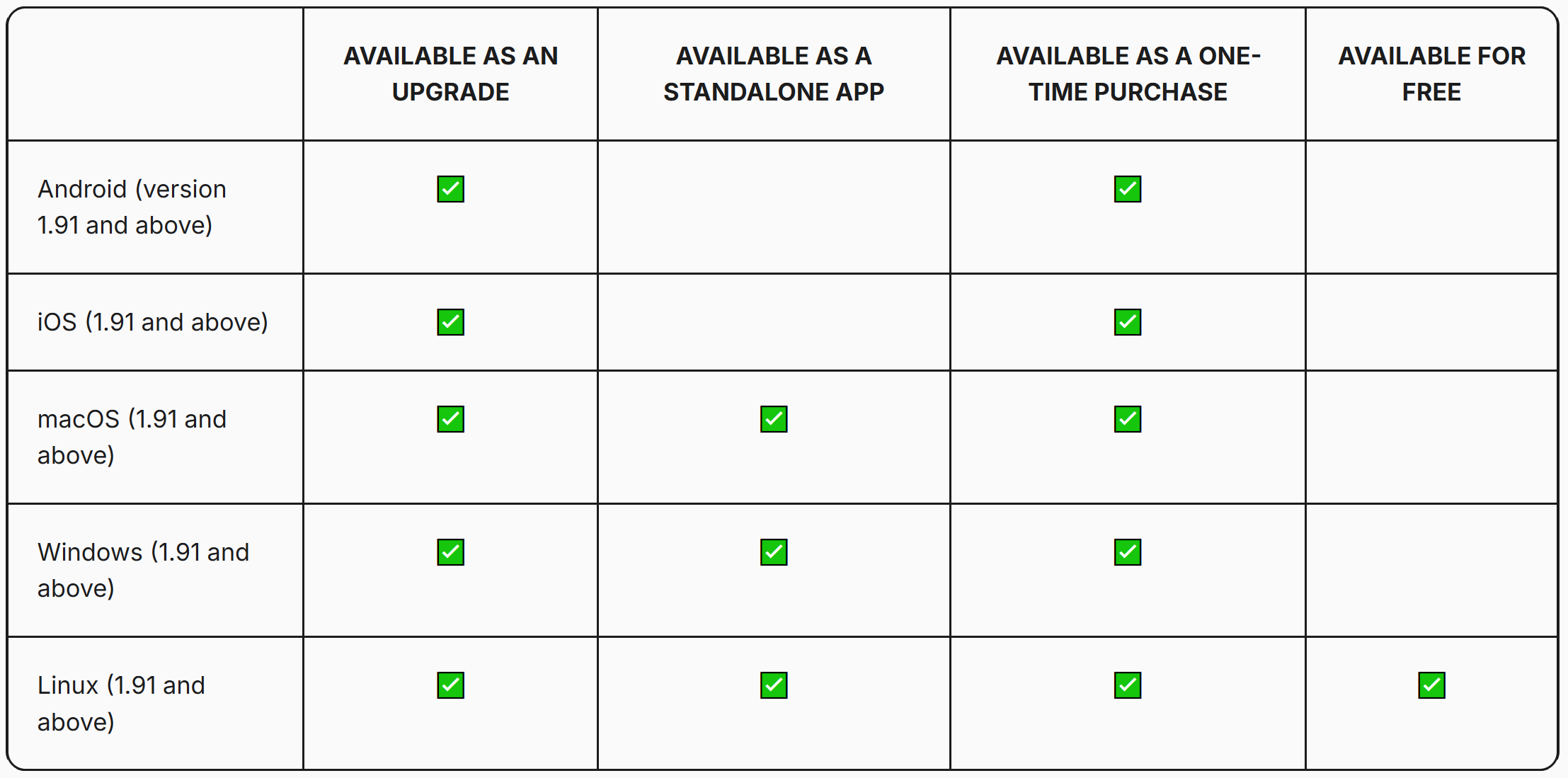
Brave says its new "Origin" package delivers a premium web experience, but the one-time fee applies to all supported platforms except Linux. The San Francisco-based company developed Origin in response to user demand, pitching it as a fast, private browsing tool, and a new way to financially sustain the broader Brave project.
Brave is also making an argument it believes every web user should have internalized by now: there is no such thing as a truly free browser.
Chrome, it says, turns every user into the product, with Google harvesting vast amounts of personal data to fuel its advertising business. The standard, free version of Brave already works to block the worst offending trackers through its Shields system, while keeping the company financially viable through Web3 domains, privacy-first advertising (though hurting many websites in that process), a VPN, and other optional services.
Most of those extras can already be disabled in standard Brave, but Origin goes further. In the standalone version, they are stripped out at compile time, producing a leaner build than virtually any free browser based on Chromium's Blink rendering engine.
Brave argues the goal is to give users access to the browser's core privacy and ad-blocking capabilities without the overhead of features they never planned to use.
Origin follows the same development cadence as the free browser, receiving regular software updates and Chromium security patches. The paid build ships without the following: Leo AI, News, Playlist, Rewards and Brave Ads, Speedreader, Talk, Tor integration, VPN, Wallet and Web3 domains, the Wayback Machine integration, and the Web Discovery Project. Privacy-preserving analytics such as P3A and daily usage pings are also removed.
Brave Origin is available either as a standalone download or as an in-app upgrade for existing users. Linux users get it for free – largely because several Linux distributions already ship Brave with many of those features disabled – though they can still purchase a license to support the project.
The company says Brave is now used by more than 115 million people worldwide. On the payment side, Origin uses a blind token protocol based on Privacy Pass, which decouples purchase identity from actual browser usage – meaning Brave can confirm a valid license without linking it to who bought it or how they browse.
Brave is advertising Origin as a sustainable way to fund the development and infrastructure behind its privacy vision. Not everyone is convinced.
Some users point out that most of the removed features can already be turned off for free. Others frame it more sharply: Brave started as a browser designed to protect users from the web's monetization machinery. Now, they argue, Brave itself has become part of that machinery – and Origin is simply selling back the original promise at a price.


