Forward-looking: With AI expected to play a major role in nearly every industry in the near future, US business schools are launching specialized training programs and revising existing curricula to prepare executives for chief AI officer roles. People are reportedly spending tens of thousands of dollars on these courses, even though the position's exact responsibilities remain unclear.

The University of Chicago's Booth School of Business is one of the leading business schools to have launched a program for prospective chief AI officers. According to the institution's official website, the course is designed to prepare executives to "lead AI initiatives, build scalable infrastructure, and drive transformative AI adoption."
The course will primarily be conducted online, although it will include some in-person components focused on practical experience in building AI frameworks for enterprises. Over the program's 10-month duration, executives will learn to "design scalable AI strategies, build responsible governance frameworks, and drive measurable business outcomes across functions."
The course will be offered three times a year and will cost $28,000 per student. However, the institution is currently offering a $2,240 discount, allowing candidates to enroll for $25,760 if they pay the full amount by September 11. The university is currently accepting applications for the next session, which is scheduled to begin on September 28.
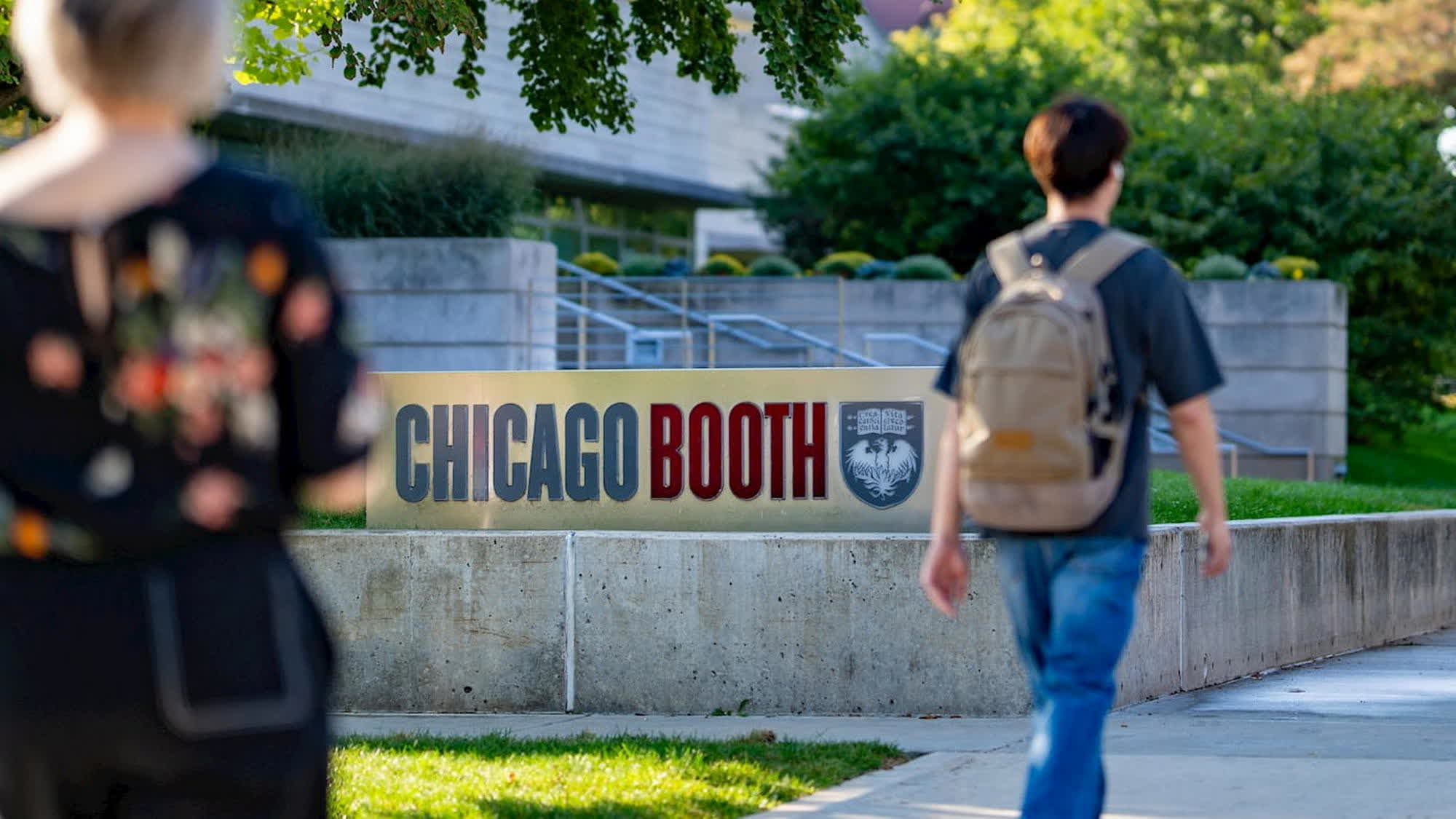
The curriculum is structured around six core modules designed to help executives assess their organizations' readiness to adopt the latest AI technologies, identify new AI-powered business opportunities, learn AI best practices, design and implement governance frameworks to comply with regulations, and shape the deployment and scalability of AI across their organizations.
Even as executives are busy upskilling for better opportunities in the AI era, some of the most influential leaders in the tech industry are urging high school graduates to skip college altogether. In recent months, Elon Musk, Alex Karp, and Peter Thiel have advised students that four-year degrees are not worth the investment, especially for those seeking success in the AI-driven tech industry.
Palantir co-founder Peter Thiel has even launched a paid, four-month internship program called the Meritocracy Fellowship, which encourages students to "skip the indoctrination" and pursue a so-called "Palantir degree." However, educators warn that skipping traditional higher education in favor of corporate training programs could put young job seekers at a disadvantage in other industries.
One of the most vocal supporters of the "ditch college" mantra is Palantir CEO Alex Karp, who himself holds degrees from multiple universities, including Stanford University. Other Fortune 500 CEOs, including Ford's James Farley and Meta's Mark Zuckerberg, have also questioned the value of college degrees, although they have not been as outspoken on the issue as Musk, Karp, and Thiel.
Business schools are charging $28,000 to teach executives how to be "chief AI officer"


