
What just happened? California lawmakers have advanced one of the most aggressive attempts yet to regulate 3D printers in response to the rise of untraceable, 3D-printed firearms. Assembly Bill 2047, the California Firearm Printing Prevention Act, passed the state Assembly by 58 votes to 19 and has moved to the Senate.
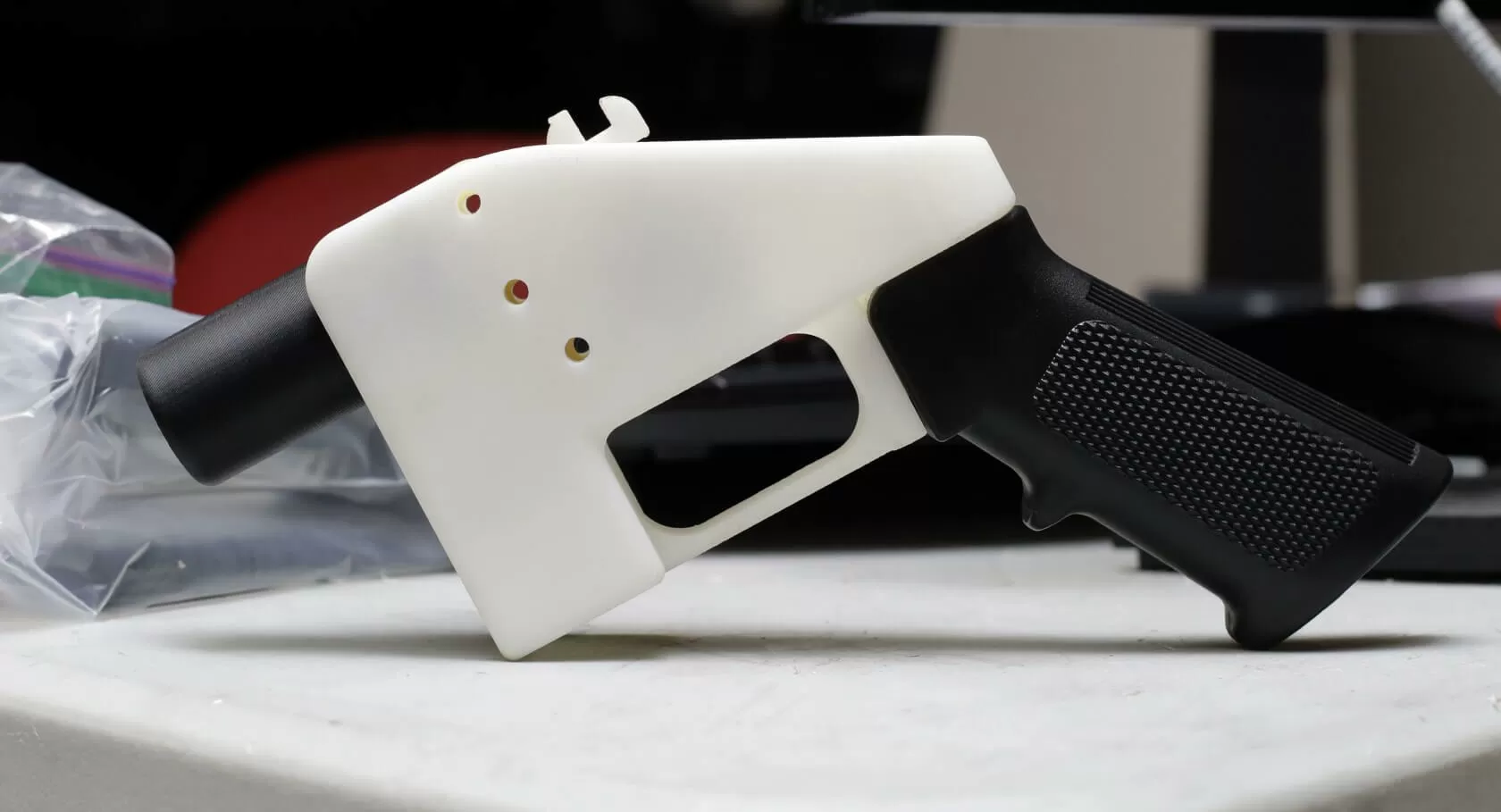
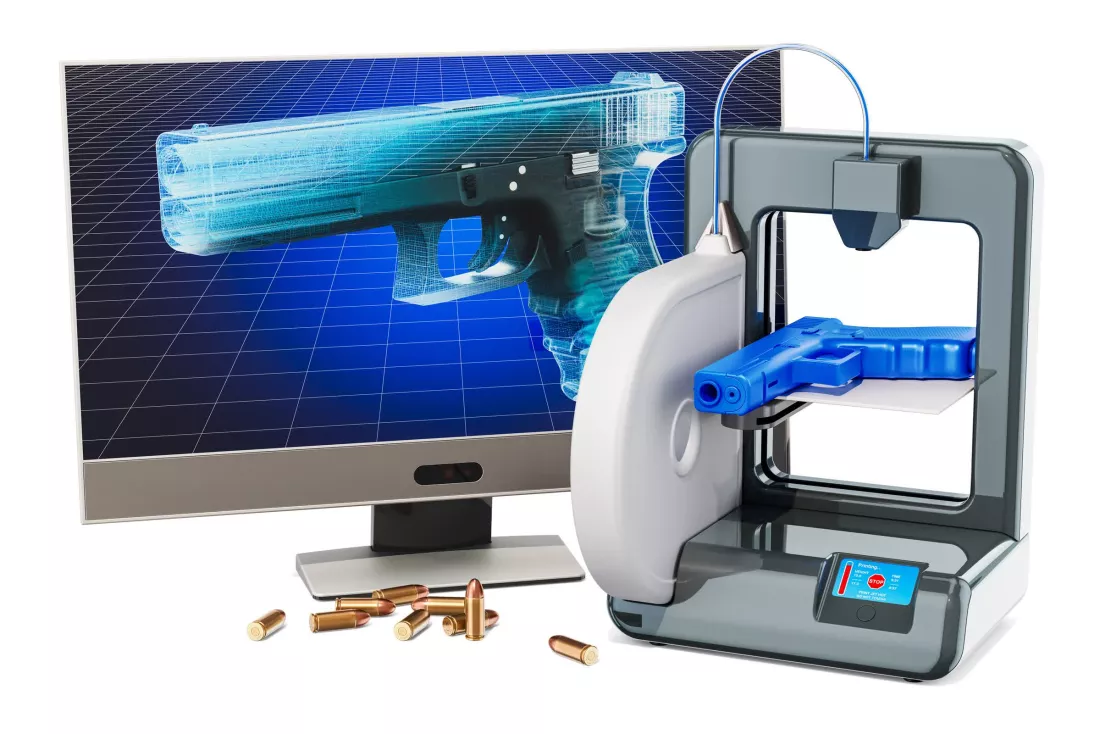
The bill would require consumer 3D printers sold in California to include "firearm blocking technology" that checks design files before a print job can begin.
Under the proposal, printers would have to evaluate STL files, CAD files, or other geometric code using a firearm blueprint detection algorithm and block files flagged as capable of producing a firearm or illegal firearm parts, including conversion devices.
California's Department of Justice, or another relevant state agency, would have until January 1, 2028, to publish performance standards for detection algorithms and software control processes.
Manufacturers would then have to submit self-attestations for every make and model they plan to sell in the state by July 1, 2028. A public list of compliant and non-compliant models would be published by September 1, 2028, and sales of non-compliant printers would be banned from March 1, 2029.
Sellers of non-compliant printers could face civil penalties of up to $25,000 per violation. The bill would also make it a misdemeanor to knowingly disable, uninstall, deactivate, or otherwise bypass the mandated blocking software with intent to manufacture firearms, or to distribute modified printers for that purpose.
Supporters say the measure tackles the problem before a downloadable file becomes an untraceable weapon. Everytown for Gun Safety says recoveries of 3D-printed crime guns across 20 cities have risen nearly 1,000% over the past five years, and argues that cheaper, more capable printers are already being used in illegal ghost gun operations.
Critics, including the Electronic Frontier Foundation, have called the proposal "censorware," warning that it could lock users into manufacturer-approved software, threaten open-source firmware such as Marlin and Klipper, and push file inspection toward cloud systems that raise privacy concerns. Makers also argue that gun components can resemble ordinary mechanical parts, meaning false positives are inevitable.
Also read: The hidden fingerprints inside 3D-printed ghost guns
Colorado has already taken a different approach with HB26-1144, which initially raised concerns that possessing 3D gun files with intent to manufacture or distribute prohibited items could become a crime.
The bill has since become law, though the enacted version focuses on knowingly producing potentially functional firearms or components through 3D printing rather than file possession. It's pretty much the opposite of California's proposal, which tries to control the printer before anything is made.
California passes bill requiring gun-blocking software in 3D printers


