Canon brings back viral point-and-shoot camera, but at a much higher price point

Shawn Knight

Posts: 15,827   +202
Staff member
Editor's take: Canon is looking to cash in on the viral moment that point-and-shoot cameras are experiencing thanks in part to social media but by most accounts, they're going about it all wrong.
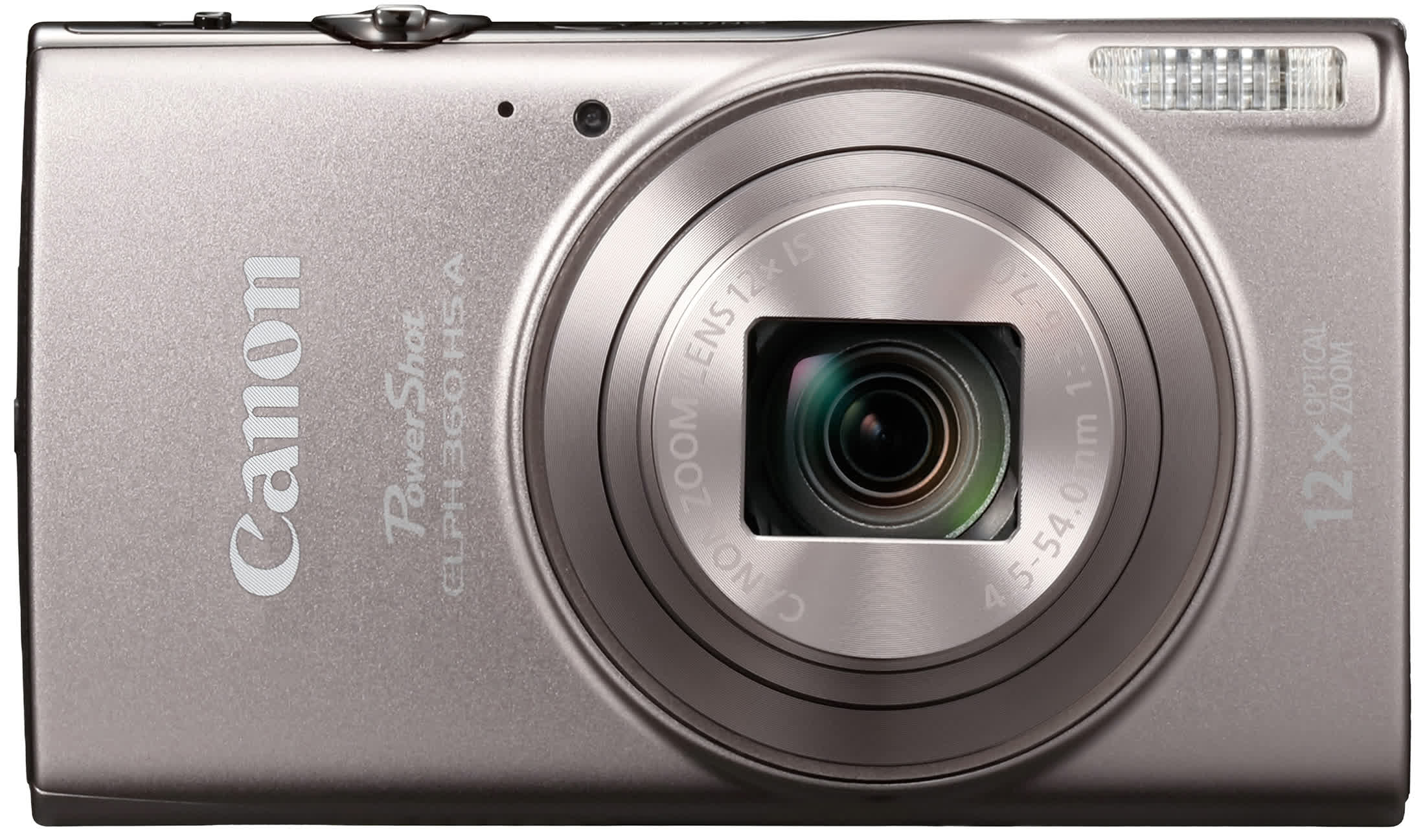
The Canon PowerShot ELPH 360 HS A is a new version of the original 360 HS, which was released way back in 2016. Although nearly a decade has passed, not much has changed hardware-wise between the two shooters. If anything, the new version is actually less desirable than the original.

The HS A features a 20.1 megapixel 1/2.3-inch CMOS image sensor and a DIGIC 4+ image processor, the exact same hardware that shipped in the original nine years ago. Mind you, nine years of camera technology advancements is a long time yet Canon elected to stick with its 2016 image sensor and engine.
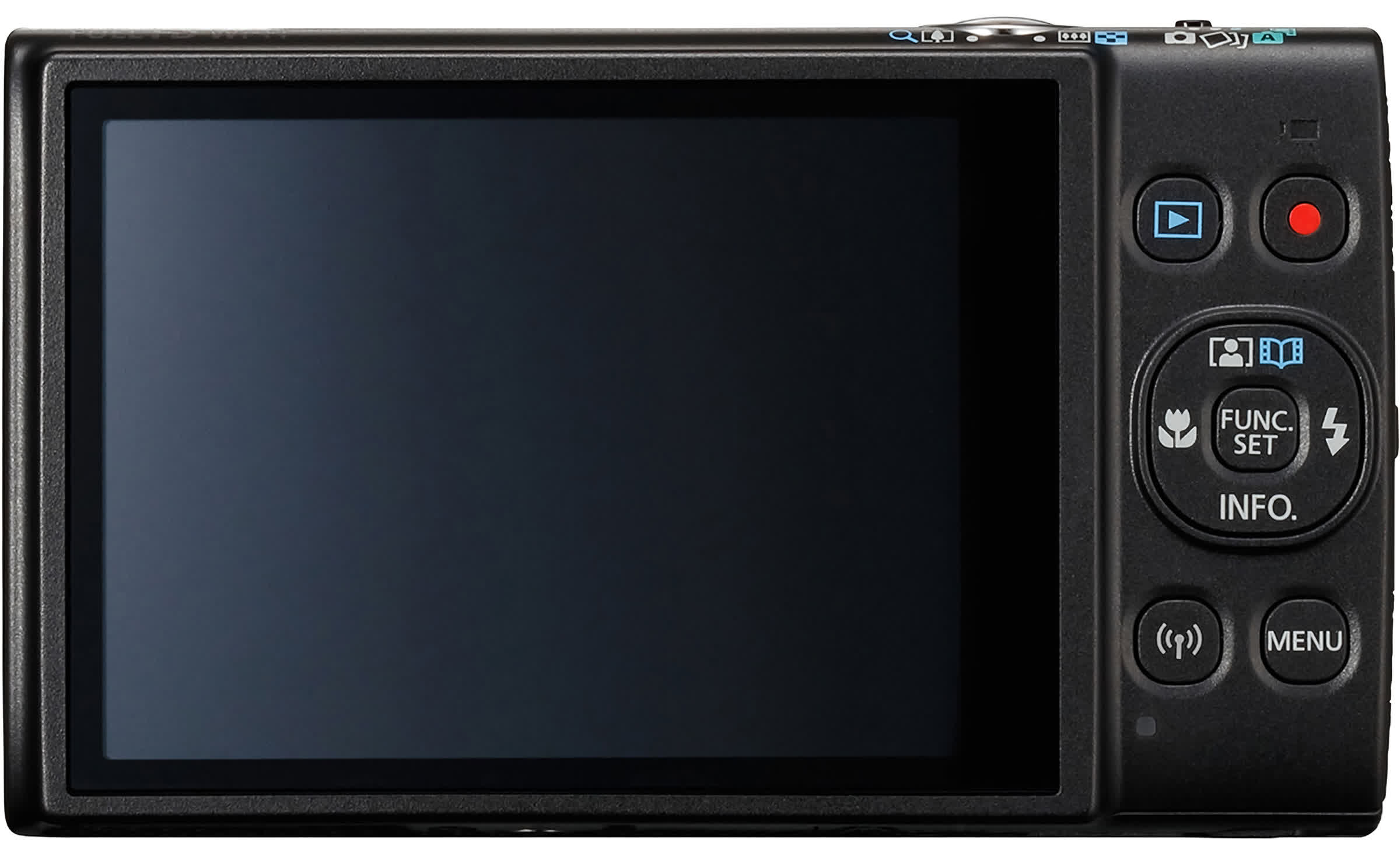
The point-and-shoot also includes a 12x optical lens (f/3.6 – f/7.0 aperture, 25-300mm equivalent) with a 4x digital zoom – again, mirroring what shipped on the original. There's no viewfinder, but you do get a 3.0-inch TFT color LCD (4:3) with a wide viewing angle – again, just like the first version. ISO sensitivity is the same, as is the shutter speed. Video recording is limited to Full HD at 30 frames per second, and you're stuck with a USB Mini port. So, what's different this time around, you ask?

The new camera does make the jump from SD to microSD for storage.

All things considered, it appears as if Canon is simply re-releasing the original PowerShot 360 with the tiniest of tweaks to capitalize on its recent trendiness. Oh, and they're also charging modern-day pricing for it – currently up for pre-order for $379 on B&H Photo in your choice of black or silver. The original, mind you, arrived at $199 but again, that was nearly a decade ago.

If you're dead set on getting your hands on a "retro" PowerShot 360, this could be the opportunity you've been waiting for at a price that's cheaper than what you'll find them selling for on third-party marketplaces like eBay. Those open to a non-Canon compact from a brand like Panasonic or Nikon, however, may get far more bang for their buck.

Permalink to story:

 
Adjusting for inflation, $199 in July 2016 would be $267.16 in July 2025. ~$110 "viral" premium (assuming CPI data is actually accurate).
 
Is anybody going to buy it at this price? Don't modern phones take better pictures, minus the zoom feature? I assume they just pulled out the old tooling and didn't have to redesign much of anything.
 
Between higher production cost from modern labor and lost scale benefits in could see the price increase they will prob not make more than a million of these things over the next few years where as they used to make and sell millions of point and shoots per year.
 
Adjusting for inflation, $199 in July 2016 would be $267.16 in July 2025. ~$110 "viral" premium (assuming CPI data is actually accurate).
But the underlying technology is less valuable, as there have been many advancements since then.

It's like buying a 2016 Dell with an i7 6600K at a premium over its original price.
 
It's really quite clear why they have done this. There is a market for a pocket-sized point and shoot but it is simply not big enough to warrant spending to give it the latest hardware. With so many people addicted to their phones that no longer even owning dedicated cameras this makes sense.
What doesn't make sense is the high price.
 
Last edited:
But the underlying technology is less valuable, as there have been many advancements since then.

It's like buying a 2016 Dell with an i7 6600K at a premium over its original price.
I agree the tech is old. That doesn't always mean the parts became cheaper. Sometimes old tech passes a point where it starts to become more expensive (relative to it cheapest point in its life) because factories transition over to to making newer parts, reducing the supply of old parts. If the demand for the old parts and materials doesn't die down, you can actually see the cost of these part increase. This can be particularly obvious when production gets restarted after a long break (e.g. analog film)

Its hard to say "these parts all should cost less", because that may not be true for the total BOM value. Only thing we can say for certain is the camera is more expensive today than it would have been back when it was released.
 
I agree the tech is old. That doesn't always mean the parts became cheaper. Sometimes old tech passes a point where it starts to become more expensive (relative to it cheapest point in its life) because factories transition over to to making newer parts, reducing the supply of old parts. If the demand for the old parts and materials doesn't die down, you can actually see the cost of these part increase. This can be particularly obvious when production gets restarted after a long break (e.g. analog film)

Its hard to say "these parts all should cost less", because that may not be true for the total BOM value. Only thing we can say for certain is the camera is more expensive today than it would have been back when it was released.
The answer to this would be cobbling something together with slightly newer parts, like a newer CPU and sensor that are off the shelf.

Recreating an old design only makes sense if you have a warehouse full of decade-old parts, and no one would do that.
 
The answer to this would be cobbling something together with slightly newer parts, like a newer CPU and sensor that are off the shelf.

Recreating an old design only makes sense if you have a warehouse full of decade-old parts, and no one would do that.
If all the parts were still available, but just more expensive, a company absolutely would run with an old design as-is and just pass the increased costs onto the buyer. Redesigning things is expensive and time consuming, especially if you're trying to capture what is probably a 'flash in the pan' market that won't last long enough for a redesign to make it to market.

Now, if people decide that point-and-shoots are in again (and maybe they will, with phones getting banned at events like concerts and people realizing that even basic point-and-shoots take better pics than the best smartphones), I can see Canon, Nikon, Fuji, and others designing new point-and-shoots again. They'll all be watching what happens with demand over the next several months.
 
Back