Looking ahead: CERN engineers have unveiled a complex plan to move a number of computers to a new Linux distribution. The upgrade is required to prevent older, specialized hardware from becoming obsolete, though it's turning out to be a challenging endeavor.
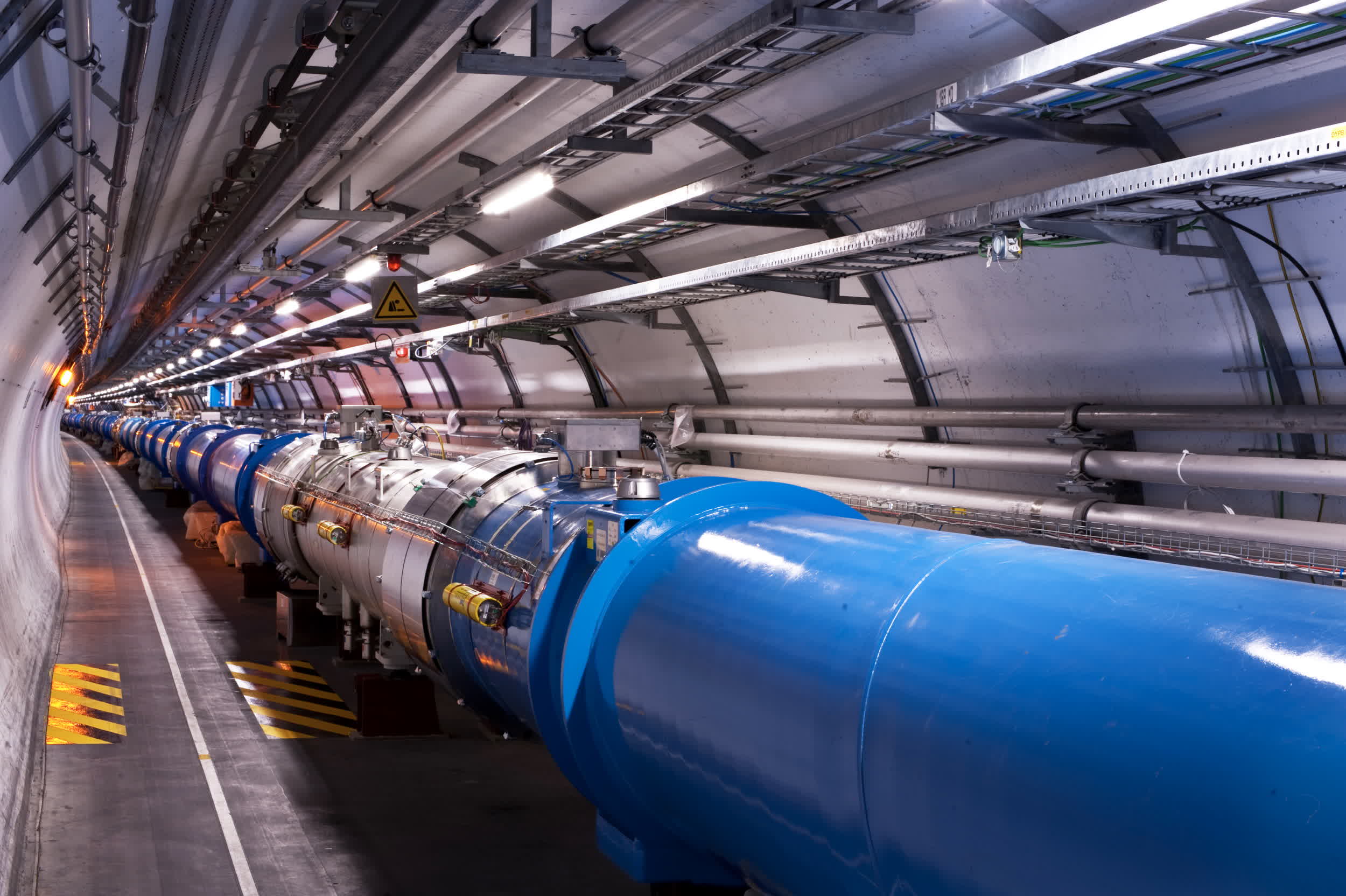
During a recent conference held in Winterthur, Switzerland, engineers working at the European Organization for Nuclear Research (CERN) confirmed that the laboratory is going to move from Red Hat Enterprise Linux to Debian. The switch will affect more than 2,200 computers, many of which cannot be upgraded to newer RHEL releases because newer Red Hat releases will leave much older hardware behind.
As one of the world's leading research institutions in particle physics, CERN generates massive amounts of data on a regular basis. The lab where Tim Berners-Lee created the World Wide Web's original vision was already packing 49 petabytes of digital files back in 2016. All this data requires a solid, ever-growing IT infrastructure, and the same goes for machines designed to manage scientific experiments through custom hardware boards.
CERN was an early adopter of the RHEL ecosystem. Over the past few years, the institute has been using the commercial system's free variant AlmaLinux. The lab initially considered switching to CentOS Stream, which is one of the upstream sources for RHEL development. The engineers ultimately decided to abandon the entire RHEL infrastructure after the CentOS project decided to implement a disruptive change in the system's compiler.
CentOS Stream 9, and thus RHEL 9, are built with the "-march=x86-64-v2" compiler flag. The x86-64v2 revision of the x86 ISA includes a few specific architectural changes, breaking compatibility with 64-bit CPUs released before 2009.Lack of support for pre-x86-64-v2 CPUs would force CERN to replace 47% of its embedded control computers. Even worse, since 2025, RHEL 10 has moved to x86-64-v3, which means an additional 17% of CERN's computers would need to go to a landfill sooner rather than later.
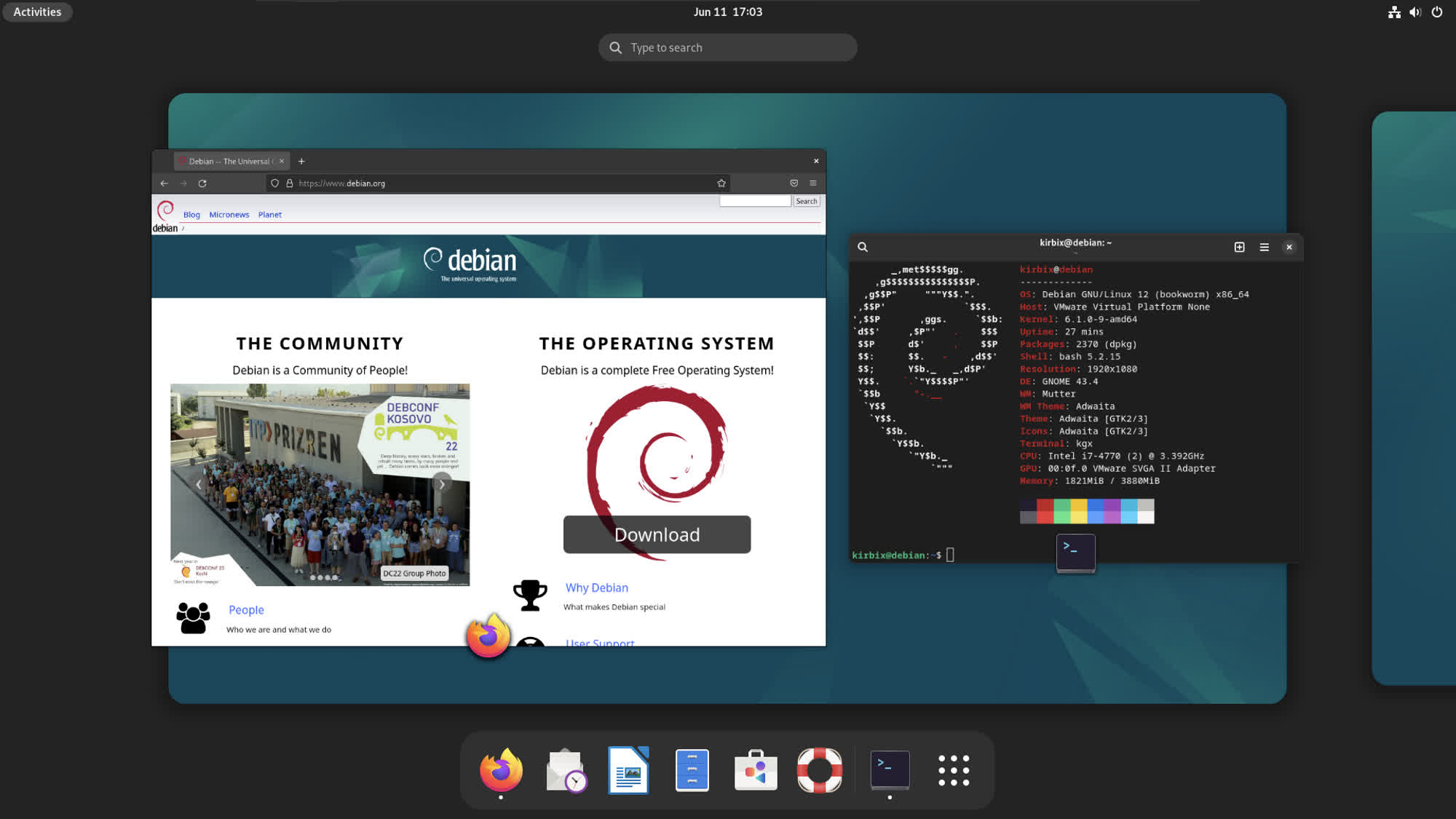
CERN engineers explained that Debian 13 might save the institute a massive IT replacement job and related costs. The free, "universal" operating system is the second-oldest Linux distribution still in development behind Slackware, and serves as the basis for numerous popular distributions, most notably Ubuntu.
Still, replacing RHEL/AlmaLinux with Debian is proving to be a challenge of its own. CERN uses many custom hardware solutions, which require specific kernel drivers, bootloaders, and system images.
Debian does not provide a standard toolset for automating package building and publishing packages, which means the engineers are going to evaluate some additional provisioning solutions such as Debusine. Nevertheless, it's better than throwing away thousands of perfectly functional computers and spending millions to build an entire IT infrastructure from scratch.
CERN is moving more than 2,200 specialized computers from RHEL to Debian


