Why it matters: When federal regulators signed off on Charter Communications' plan to buy Cox Communications on Friday, they formally set in motion the creation of the nation's largest broadband provider – and reignited a long-running debate over how much competition still exists in the cable industry.
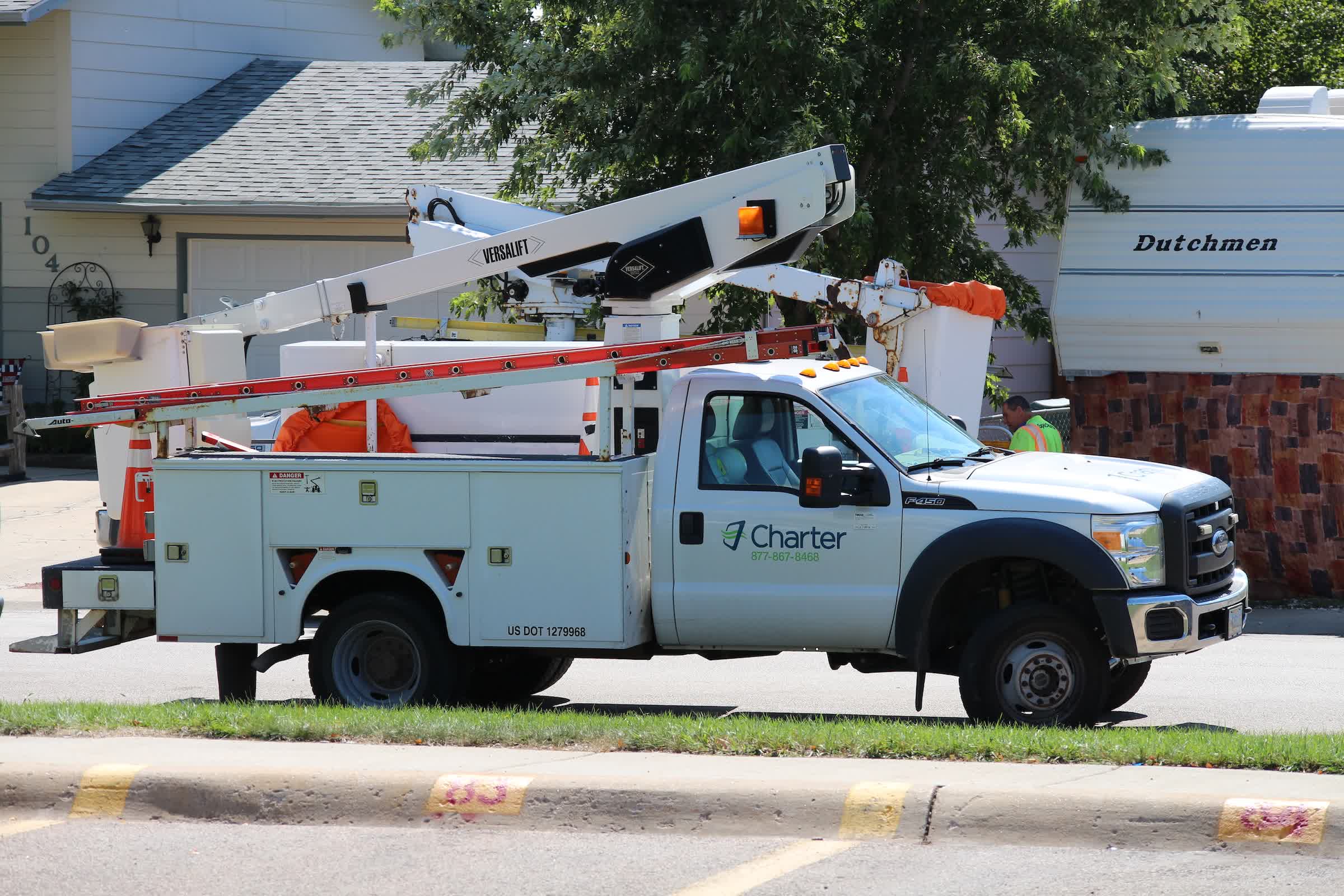
The Federal Communications Commission's approval of Charter's $34.5 billion purchase of Cox positions Charter's Spectrum brand to overtake Comcast in total broadband subscribers once the transaction closes. Charter currently serves about 29.7 million residential and business Internet customers, compared with Comcast's 31.26 million. The addition of Cox's 5.9 million subscribers would make Charter the country's leading fixed broadband operator by a comfortable margin.
The FCC's order marks its most consequential merger approval since it cleared Charter's 2016 takeover of Time Warner Cable. But this time, the agency imposed no significant behavioral or affordability conditions – a choice that consumer advocates say departs from earlier precedents that constrained data caps, interconnection fees, or promotional pricing.
Opponents urged the FCC to block the deal, arguing that removing Cox as an independent company would eliminate one of the few sizable cable competitors that could benchmark pricing against industry leaders. The Communications Workers of America, Public Knowledge, and the Benton Institute were among groups that submitted a formal petition to deny, warning that fewer operators could make "parallel pricing" or coordinated rate increases more feasible even in non-overlapping markets.
The FCC, under Chair Brendan Carr, rejected the premise. Because Charter and Cox operate in mostly distinct geographic zones, the agency said they do not meaningfully compete for the same customers.

The order emphasized that cable providers typically hold exclusive franchises within their footprints, and that modern competitive pressure now comes from fiber-to-the-home rollouts, satellite broadband, and fixed wireless options from telecom and 5G providers. According to the Commission, these emerging technologies constrain pricing far more than the loss of an indirect benchmarking rival.
The decision underscores how the FCC's definition of "competition" has broadened as new broadband delivery methods have matured. Where earlier rulings treated cable consolidation warily, Carr's FCC has embraced fixed wireless and satellite services from providers such as Starlink, T-Mobile, and Verizon as credible alternatives that discipline broadband pricing.
California regulators have already flagged more concrete market conflicts. The California Public Utilities Commission's Public Advocates Office told state officials last fall that Charter and Cox overlap at roughly 25,000 locations in California, with about two-thirds of those areas served only by the two companies at gigabit speeds. The group warned that consolidating those networks would leave tens of thousands of homes with just one provider capable of delivering 1 Gbps service.
Even with FCC clearance, Charter's acquisition still requires approval from the Justice Department's Antitrust Division and several state public utilities commissions, including those in California and New York. The deal's timing and final structure could hinge on whether those regulators adopt a more traditional view of market concentration in broadband services.
Charter's Cox deal approved: Higher broadband prices could follow as FCC clears $34.5B merger


