Supreme Court rules ISPs aren't liable for user piracy without intent

Skye Jacobs

Posts: 2,030   +59
Staff
Why it matters: The US Supreme Court has drawn a sharp line around when connectivity infrastructure can be blamed for what moves across it, holding that an Internet access provider is not a copyright infringer simply because it continues to serve customers accused of piracy.
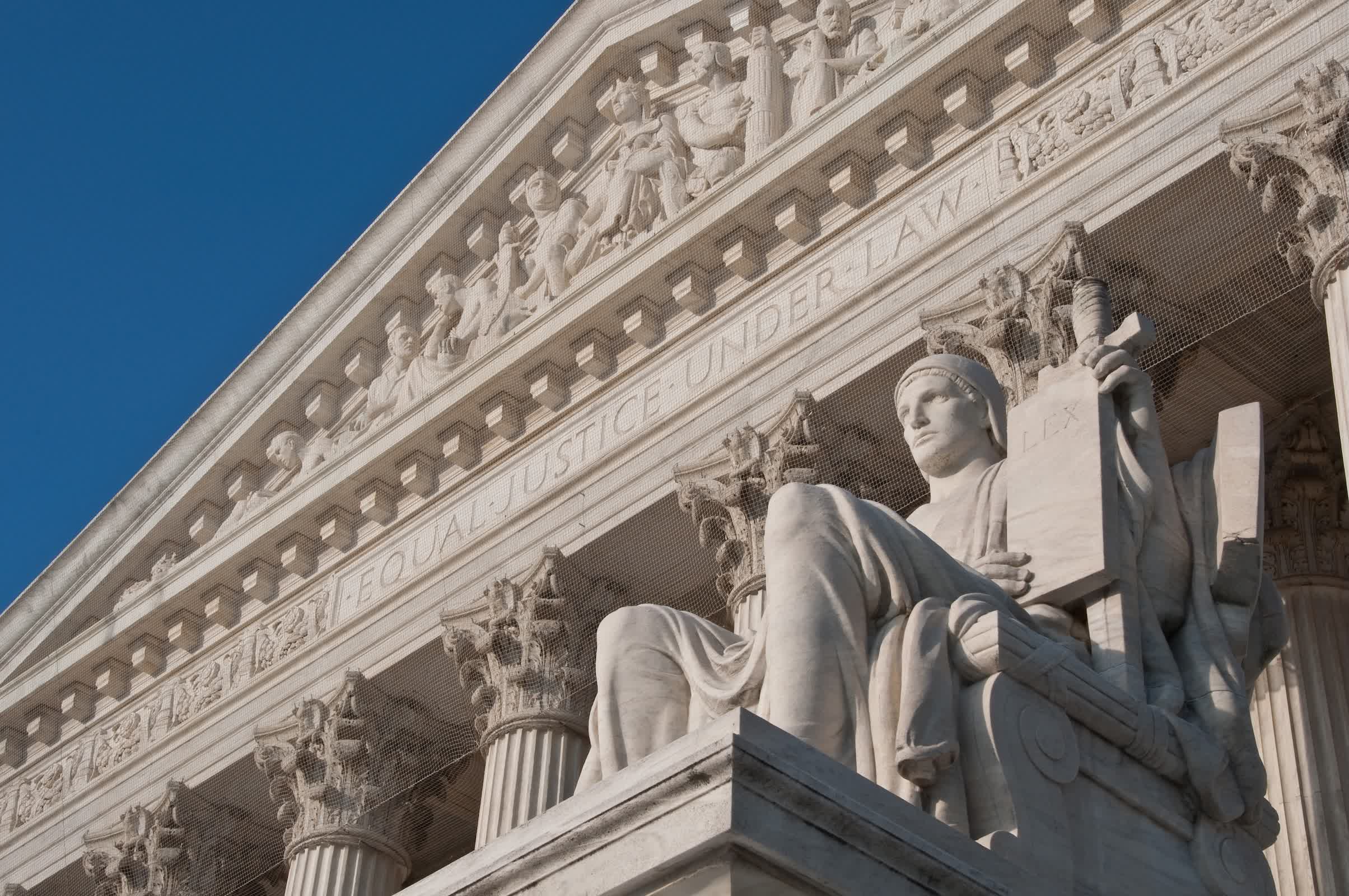
In a unanimous judgment for Cox Communications, the Court ruled that an ISP is contributorily liable for user infringement "only if it intended that the provided service be used for infringement," and that intent can be shown "only if the party induced the infringement or the provided service is tailored to that infringement."

At stake was whether Cox could be held to account for billions in potential damages under theories of secondary liability arising from its response to infringement notices regarding subscribers on its network. The music labels, led by Sony Music Entertainment, had earlier won a $1 billion jury verdict over peer-to-peer music piracy, arguing that Cox knowingly continued to provide access to "habitual offenders" and thus materially contributed to mass infringement.

That damages award was later overturned, but a federal appeals court still found Cox liable for willful contributory infringement.

The Supreme Court rejected that approach. It held that merely providing a general-purpose connectivity service – even with awareness that some users are infringing – does not, by itself, establish contributory infringement.

Cox's residential and enterprise Internet access, the Court stressed, is "capable of 'substantial' or 'commercially significant' noninfringing uses" and was not "tailored to infringement."

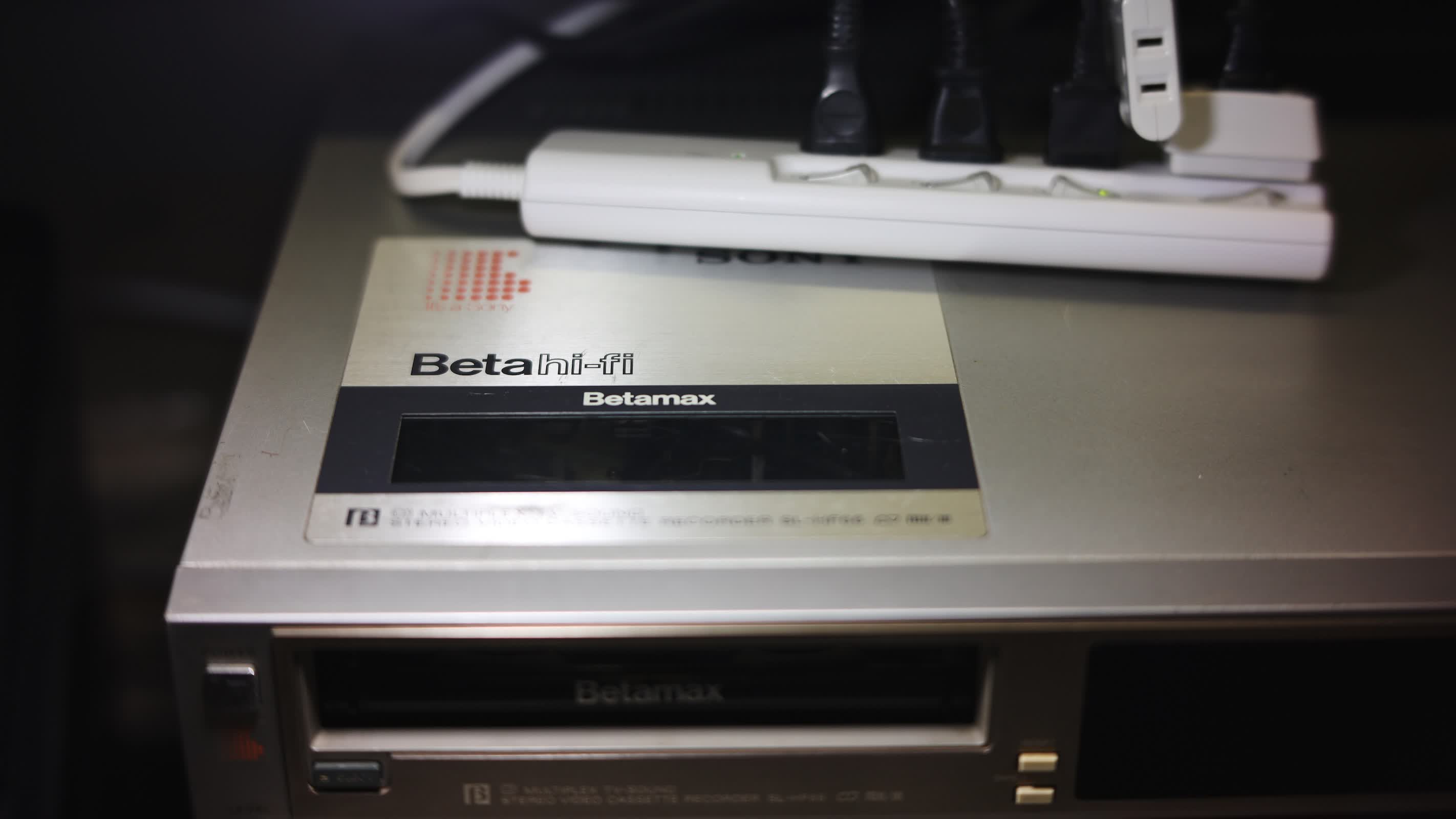
The opinion explicitly ties the liability standard back to the Court's technology-defining precedents: Sony's 1984 Betamax ruling and the 2005 MGM Studios v. Grokster decision.

In Betamax, the Court held that Sony's video recorder was lawful because it had significant noninfringing uses; selling it did not make Sony a contributory infringer.

In Grokster, by contrast, the Court found that a peer-to-peer file-sharing service could be liable where it actively promoted infringement, marketed itself as a piracy tool, and built its business model around that use.

The decision has immediate consequences for how network operators handle copyright alerts. Had the Court embraced Sony's position, large access providers might have been pushed toward aggressive "repeat infringer" termination programs to avoid catastrophic judgments, effectively turning backbone and last-mile networks into enforcement chokepoints.

Digital rights advocates framed the case as much about endpoint access as about copyright doctrine. Meredith Rose, senior policy counsel at Public Knowledge, said the decision "laid to rest the idea that private actors – and not just any private actors, but record labels – can determine when customers deserve to be excluded from applying to jobs, paying bills, and getting an education." She called that rejected vision "fundamentally anti-democratic" and described the ruling as "a long-overdue win for common sense."

The Recording Industry Association of America drew a narrower picture of the Court's move, saying it was "disappointed in the court's decision vacating a jury's determination that Cox Communications contributed to mass-scale copyright infringement, based on overwhelming evidence that the company knowingly facilitated theft."
Inside the Court, the main disagreement was about how far the majority went in reshaping the incentive structure Congress built into the Digital Millennium Copyright Act's safe harbor regime. The DMCA shields service providers that meet certain conditions, including having and reasonably implementing a policy to terminate repeat infringers "in appropriate circumstances."

The majority framed the safe harbor as a defensive layer that does not itself create liability: "The DMCA merely creates new defenses from liability for such providers," Justice Clarence Thomas wrote, adding that Congress made clear that failure to qualify for safe harbor "shall not bear adversely upon… a defense by the service provider that the service provider's conduct is not infringing."

Justice Sonia Sotomayor, joined by Justice Ketanji Brown Jackson, agreed Cox could not be held liable on the record but faulted the majority for treating inducement and "tailored to infringement" as the only viable theories of secondary liability.

She argued that the Court's approach "unnecessarily limits secondary liability even though this Court's precedents have left open the possibility that other common-law theories of such liability, like aiding and abetting, could apply in the copyright context" and that the new rule "dismantles the statutory incentive structure that Congress created" to encourage ISPs to take reasonable anti-piracy steps.

Nevertheless, Sotomayor concurred in the judgment because, in her view, Sony had not shown that Cox possessed the specific intent required to be liable even under an aiding-and-abetting theory.

For network architects, platform operators, and other technical stakeholders, the ruling clarifies that as long as a connectivity or general-purpose service is broadly useful and not engineered or marketed as a piracy tool, secondary copyright exposure will continue to track inducement and design choices rather than sheer traffic volume.

At the same time, by reanimating the Betamax-era "substantial noninfringing uses" test and introducing a modern "tailored to infringement" label, the Court has set the stage for new litigation over what those phrases mean for contemporary networked services that blur the line between infrastructure, distribution, and application layers.

Permalink to story:

 
Well considering how many essential services require an internet connection, I don't think anyone should be cut off from access to the Internet. Dishwashers and refrigerators require Internet connections now. Almost all of my bills need to paid online, the ones that don't charge convenience fees.
 
"Require" is not the correct word. We have the right to disallow it.
And if anything, we should actively attempt to disallow it.

I feel like the trend of trying to "smartify" everything with internet access and app control got out of control a decade ago and has only gotten worse over time. It has become less of a convenience, and more of cost cutting, device ecosystem control, and data collection, especially data collection. That and the piss poor excuse for network security practices and even worse software support has left a poor taste in my mouth.
 
It’s a slippery slope when you hold a provider of any service responsible for what people do with that service.

In the future, if we’re living in space and the company that provides air is liable for anyone who breathes their air’s crimes, could they withhold air to them?

I understand that’s a crazy extreme- but that’s where this leads if common sense doesn’t step in… glad it has - for now!
 
"Require" is not the correct word. We have the right to disallow it.
Many features are disabled if you don't allow it a connection to the Internet. My dishwasher, for example, doesn't have a working eco mode if I don't connect it to the Internet, make an account and control it with the app through my phone. I chose not to have an eco mode, but that **** should be illegal.
 
Many features are disabled if you don't allow it a connection to the Internet. My dishwasher, for example, doesn't have a working eco mode if I don't connect it to the Internet, make an account and control it with the app through my phone. I chose not to have an eco mode, but that **** should be illegal.
My parents were fooled into buying a new GE oven that has internet and an app to control it... but while you can use 350, 375, 400, etc with the buttons on the oven, if you want any temperature that isn't a multiple of 25, you HAVE to use the app! Talk about insanity...

Their dishwasher (a Bosch I believe) won't let them use delayed start unless they use the app that came with it...
 
Many features are disabled if you don't allow it a connection to the Internet. My dishwasher, for example, doesn't have a working eco mode if I don't connect it to the Internet, make an account and control it with the app through my phone. I chose not to have an eco mode, but that **** should be illegal.
My parents were fooled into buying a new GE oven that has internet and an app to control it... but while you can use 350, 375, 400, etc with the buttons on the oven, if you want any temperature that isn't a multiple of 25, you HAVE to use the app! Talk about insanity...

Their dishwasher (a Bosch I believe) won't let them use delayed start unless they use the app that came with it...
And this is where I would either insist on testing an appliance before buying it, do some research on how it works without the internet, or return it to the store and buy a different model.

If people just accept this lack of functionality and keep the appliance, that tells corpos that it is OK to do that. None of my parents new whirlpools require apps to do anything.
 
Makes sense, because I really don't think most people want their ISP closely tracking and logging every action they take on the internet. Because mass surveillance is the only way they could even come close to policing piracy. ISPs shouldn't an extension of the federal govts law enforcement arm.
 
Many features are disabled if you don't allow it a connection to the Internet. My dishwasher, for example, doesn't have a working eco mode if I don't connect it to the Internet, make an account and control it with the app through my phone. I chose not to have an eco mode, but that **** should be illegal.

Mine has an eco mode as a preprogram but the app allows more customisation to what you want. I don’t understand why fridges for example have smart functionality but dishwashers, washers and dryers do have legitimate use to have more programmes and customisation you couldn’t have with just a dial.
 
Many features are disabled if you don't allow it a connection to the Internet. that **** should be illegal.
If you want the government to regulate all your activities, I can suggest an address in Pyongyang or Havana. What's so hard about accepting the freedom of, "if I don't like something about a product, I simply don't buy it?"

My parents were fooled into buying a new GE oven that has internet and an app to control it... but while you can use 350, 375, 400, etc with the buttons on the oven, if you want any temperature that isn't a multiple of 25, you HAVE to use the app! Talk about insanity...
Being able to easily set your oven to 380 rather than 375 is essentially meaningless -- these consumer-grade ovens are lucky to have a 15% error tolerance ... if you select 375 degrees, it could actually be anywhere from 325 to 425 degrees. That's why all your recipes have such wide ranges on cooking times.
 
If you want the government to regulate all your activities, I can suggest an address in Pyongyang or Havana. What's so hard about accepting the freedom of, "if I don't like something about a product, I simply don't buy it?"

Being able to easily set your oven to 380 rather than 375 is essentially meaningless -- these consumer-grade ovens are lucky to have a 15% error tolerance ... if you select 375 degrees, it could actually be anywhere from 325 to 425 degrees. That's why all your recipes have such wide ranges on cooking times.
The government hasn't been enshittifying consumer products since COVID. The government isn't trying to use my dishwasher to spy on me to sell my data to advertisers.

The government shouldn't tell me how to raise my kids but it should protect consumers from preditory practices. There is a time and a place for regulation and it seems the world has forgotten what nuance is.
 
The government hasn't been enshittifying consumer products since COVID. The government isn't trying to use my dishwasher to spy on me to sell my data to advertisers.
Here's a wild thought: don't buy those products. People should act like adults and take responsibility for their purchase decisions, instead of demanding the government babysit them.

The government should protect consumers from preditory [sic] practices.
Here's a fun fact: most people *like* these Internet-enabled features. I don't like them, and you don't either ... but we're the minority. And even if not, it's irrelevant. The whole idea of the free market system is freedom of choice ... not government regulation.

I'll also note that many buyers who don't want the features themselves, positively love the lower product prices they enable. Many low-end TVs, for instance, are sold below cost, as the manufacturer expects to regain a large sum via those add-in products. There are high-end TVs without the built-in gimmicks .. but you don't want to pay for them. You'd rather eat you cake and keep it too.
 
Here's a wild thought: don't buy those products. People should act like adults and take responsibility for their purchase decisions, instead of demanding the government babysit them.


Here's a fun fact: most people *like* these Internet-enabled features. I don't like them, and you don't either ... but we're the minority. And even if not, it's irrelevant. The whole idea of the free market system is freedom of choice ... not government regulation.

I'll also note that many buyers who don't want the features themselves, positively love the lower product prices they enable. Many low-end TVs, for instance, are sold below cost, as the manufacturer expects to regain a large sum via those add-in products. There are high-end TVs without the built-in gimmicks .. but you don't want to pay for them. You'd rather eat you cake and keep it too.
I didn't buy it, it came with the house and these features aren't often disclosed even you are shopping for them.

And as far as most people like those features? Most people are *****s
 
And as far as most people like those features? Most people are *****s
And you believe you're wiser than them, and -- worse -- have a right to dictate what they can and cannot buy? There's a rather ugly term for that political philosophy. Do you know what it is?
 
And you believe you're wiser than them, and -- worse -- have a right to dictate what they can and cannot buy? There's a rather ugly term for that political philosophy. Do you know what it is?
No, I said the practice of locking features behind an internet connection and an account should be illegal. They should be optional, not mandatory.
 
No, I said the practice of locking features behind an internet connection and an account should be illegal. They should be optional, not mandatory.
It is optional: don't buy the product. What you want is a mandatory regulation forbidding people to buy products you find distasteful. There are people out there who believe everything from sex toys to low-alcohol beer to vacations in 'climate sensitive' countries should be banned. Should we listen to them too?

Many manufacturers *already* make these features optional, and charge a higher product price to compensate. That's the beauty of the free market system: we each get to choose what works best for us.
 
Last edited:
If you want the government to regulate all your activities, I can suggest an address in Pyongyang or Havana. What's so hard about accepting the freedom of, "if I don't like something about a product, I simply don't buy it?"

Being able to easily set your oven to 380 rather than 375 is essentially meaningless -- these consumer-grade ovens are lucky to have a 15% error tolerance ... if you select 375 degrees, it could actually be anywhere from 325 to 425 degrees. That's why all your recipes have such wide ranges on cooking times.
Depends on the oven - mine is actually pretty darn accurate… but I’d never want to have to rely on my phone for a specific temperature.
 
No, I said the practice of locking features behind an internet connection and an account should be illegal. They should be optional, not mandatory.
Needlessly doing so for features that don't need the internet to function? Sure, ok. But the reason why they have internet connectivity in the first place is because they've also added features that need connectivity by definition, so obviously those such features need to be 'locked' behind being internet connected...

You can hardly mandate that a feature pushing phone notifications when a load is done must be made available to work without internet or an account, can you
 
Back