Space Wars: Plans for new satellite constellations aimed at competing in the orbital communications sector are heating up. While Starlink continues to expand its existing satellite network to unprecedented numbers, Chinese agencies have petitioned international authorities to reserve orbital slots for two additional space-based networks.

A newly established space agency has submitted two requests to the International Telecommunication Union, asking the UN body to reserve orbital slots for a new space-based communications venture. The two filings are at different stages of design, but they appear to be part of the same massive satellite constellation China is developing.
The requests, known as CTC-1 (CHN2025-79441) and CTC-2 (CHN2025-79398), each propose deploying 96,714 satellites across 3,660 orbital planes. Both networks are based on non-geostationary orbits (NGSO), meaning they are designed to continuously move to improve coverage for mobile satellite services.
CTC-1 includes both an advance publication information filing and an additional coordination request. CTC-2 is still in the API phase and must complete further stages of the ITU regulatory process. Both filings reference a space agency that has not yet been publicly identified, which is expected to operate what could become one of the largest satellite constellations ever deployed.
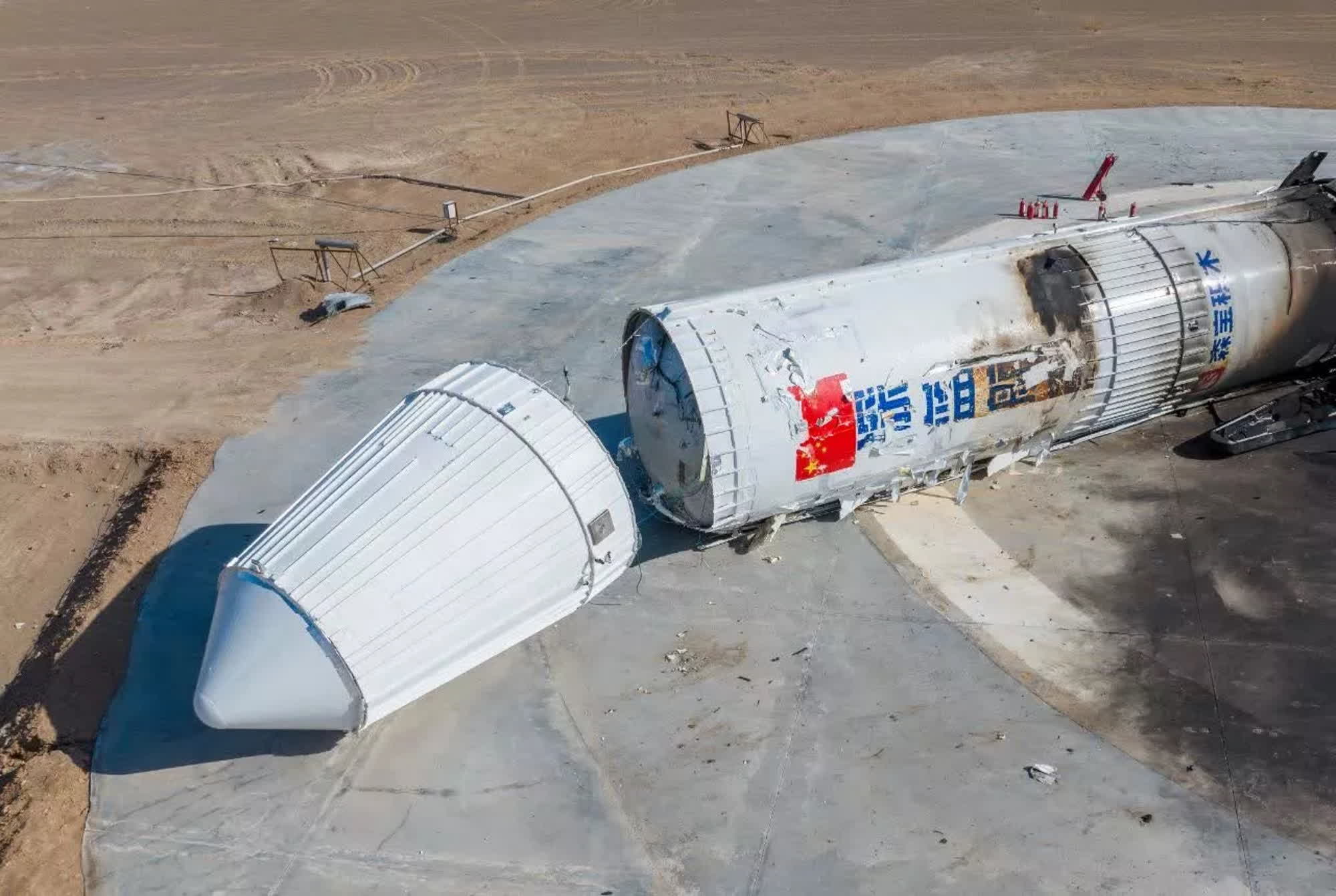
Now that CTC-1 and CTC-2 are listed in the ITU database, the agency's Radiocommunication Bureau will review the technical aspects of the two proposals. External organizations can also file objections or additional requests. The ITU, a specialized agency of the United Nations, has been responsible for regulating international communications since the days of the telegraph.
In recent years, China has significantly increased its efforts to deploy new satellites in both geostationary orbits and NGSOs. The country has long worked to counter SpaceX and Starlink's space initiatives, and more recently, Chinese ventures have begun building networks aimed at enabling edge computing applications in orbit. In any case, CTC-1 and CTC-2 are expected to form the backbone of China's next-generation space communications infrastructure.
SpaceX is also expanding its megaconstellation efforts, with ambitious plans for roughly 15,000 satellites. However, China's overall space plans now total around 200,000 satellites. If the country can meet its production and launch targets, the outer reaches of Earth's orbit could become significantly congested in the near future.
China seeks approval to launch massive orbital satellite constellation


