The Slop Rises: Despite his relatively short filmography, Christopher Nolan is now regarded as one of the most influential filmmakers of the "new" Hollywood era. Known for his outspoken views on technology and his complex storytelling, the British director, producer, and screenwriter also has some interesting thoughts on generative AI and other modern LLM-based AI systems.
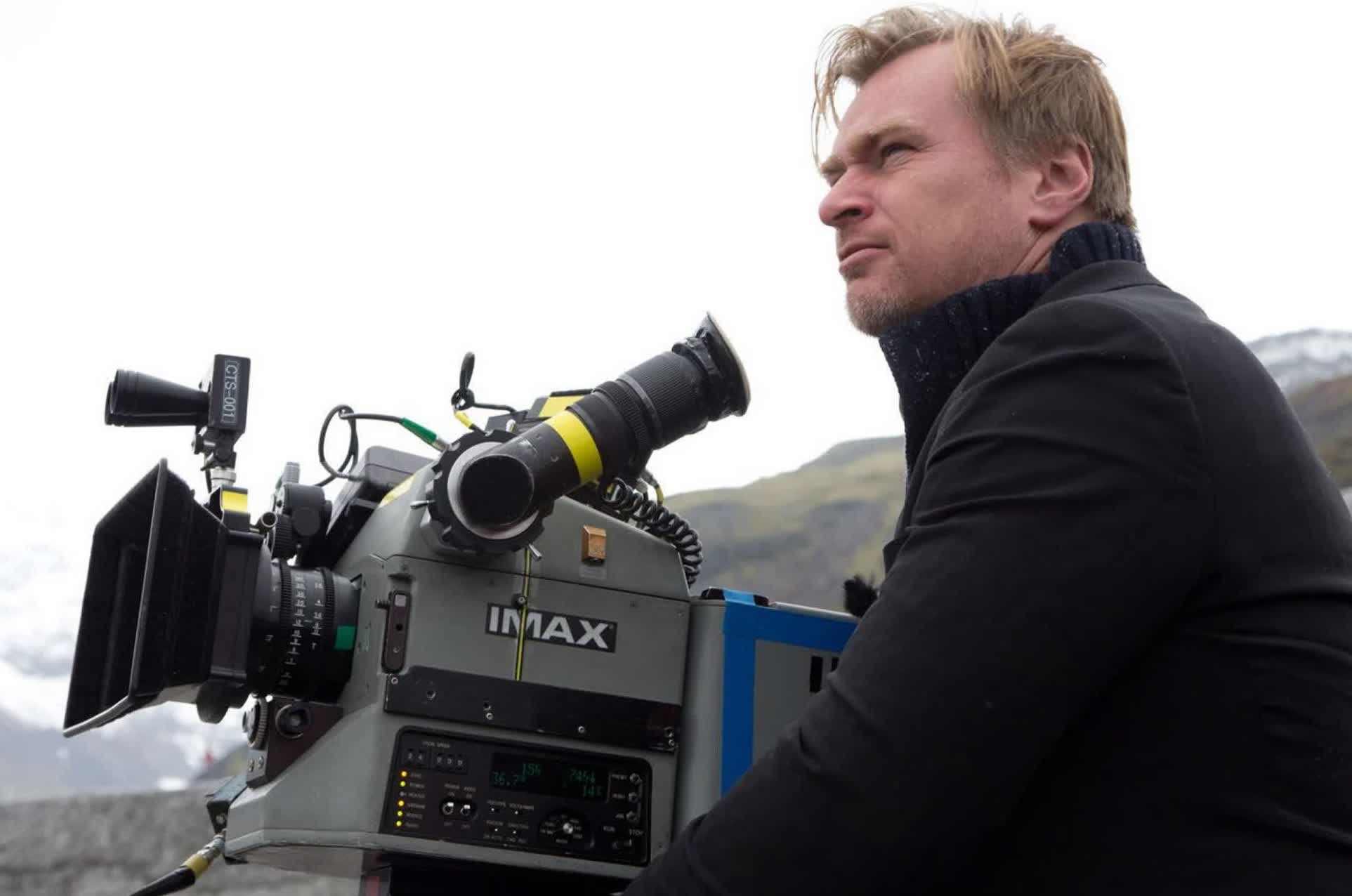
Days before The Odyssey is set to debut in cinemas worldwide, director Christopher Nolan answered questions about filmmaking, technology, and generative AI.
Nolan does not own a smartphone; otherwise, he says he would be "horribly addicted" to doomscrolling. He also believes genAI has limited room to grow in today's film industry because practical effects and a more "human" approach to filmmaking are experiencing a resurgence in modern Hollywood productions.
The director of the Dark Knight trilogy, Inception, Interstellar, and Oppenheimer is particularly impressed by the reaction Gen Z is having toward AI. Younger people are rejecting genAI, chatbots, and LLMs, Nolan said, despite the unprecedented, industry-shifting financial speculation used to promote this supposedly "foundational" technological advancement.
Gen Z's "judgment of AI slop has been immediate and harsh," Nolan said, referring to his four children's attitudes toward AI. Young people "see it for what it is very quickly – and it's much easier for them to identify it because it grew out of an online world they know really well."
The director is not necessarily opposed to every aspect of LLM-based AI systems, but he believes Big Tech's obsession with turning every digital interaction into a chatbot "experience" is unlikely to succeed. Generative AI emerged at the wrong time, Nolan said, because interest in more authentic forms of storytelling is growing.
After spending years pursuing virtual environments, people are now allegedly looking to return to a more "tactile" approach to the outside world and entertainment. Nolan also believes that assumptions about young viewers' short attention spans are misguided, pointing to the fact that strangely meditative productions such as Backrooms have quickly become critical and commercial successes.
The Odyssey has a runtime of 173 minutes and is set to adapt one of the foundational works of classical literature from ancient Greece. As with his previous films, Nolan tried to use as few computer-generated effects as possible. The Cyclops sequence in the movie combined several practical "tricks" with CGI, and Nolan hopes viewers will simply enjoy "the magic of it" without focusing on the technical details behind its creation.
Nolan's approach to AI is adding fuel to the growing debate over the use of AI-generated content in movies. Earlier this year, Martin Scorsese faced criticism for appearing to "throw artists under the bus" after becoming an adviser to AI company Black Forest Labs. Meanwhile, Hellboy and Frankenstein director Guillermo del Toro said he would "rather die" than use this type of technology.
Christopher Nolan believes Gen Z will push back against generative AI and its growing influence


